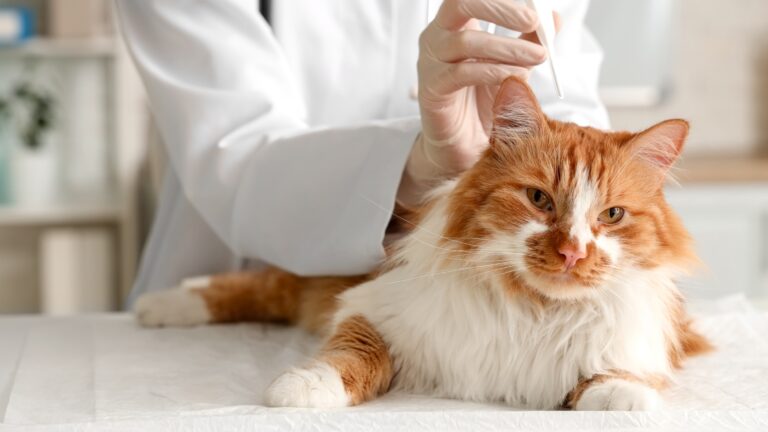

Heat Stroke in Pets: How to Protect Your Companion as Temperatures Rise

Heat Stroke in Pets: How to Protect Your Companion as Temperatures Rise

As temperatures begin to climb, so do the risks for our pets. In places like Las Vegas and across the Southwest, heat isn’t just uncomfortable—it can quickly become life-threatening. Every year, as we move into the warmer months, veterinary clinics and emergency services begin to see a rise in heat-related cases—many of them preventable. Understanding…


Wellness Monitoring for Senior Dogs: Looking Beyond Bloodwork

Wellness Monitoring for Senior Dogs: Looking Beyond Bloodwork

When dogs reach their senior years, health monitoring often becomes synonymous with blood tests. While bloodwork is undeniably important, it tells only part of the story. Senior dogs age in complex, interconnected ways that cannot be fully understood through lab values alone. As discussed in Senior Dog Care: Recognizing Change, Supporting Comfort, and Preserving Quality…

Helping Our Senior Dogs Stay Comfortable and Engaged as They Age

Helping Our Senior Dogs Stay Comfortable and Engaged as They Age

Aging does not happen all at once. In dogs, it unfolds quietly through small adjustments: shorter walks, longer naps, a hesitation before jumping into the car, or a subtle change in how they greet the people they love. These moments are often dismissed as “normal aging,” but they are actually signals—requests for support, not signs…

Senior Dog Care: Recognizing Change, Supporting Comfort, and Preserving Quality of Life

Senior Dog Care: Recognizing Change, Supporting Comfort, and Preserving Quality of Life

Dogs age differently than humans—and very differently than cats. They are more expressive, more physically active, and often more willing to push through discomfort just to stay close to the people they love. Because of this, aging in dogs can be misunderstood, underestimated, or noticed only when decline becomes obvious. Senior dog care is not…

Wellness Testing for Senior Cats: A Gentle, Proactive Approach to Lifelong Care

Wellness Testing for Senior Cats: A Gentle, Proactive Approach to Lifelong Care

Cats age quietly. As discussed in our previous articles—Senior Cat Care: Special Considerations for Health, Comfort, and Quality of Life and Helping Our Senior Cats Age Gracefully—aging in cats is often subtle, progressive, and easily overlooked. This is precisely why wellness testing becomes one of the most important tools in senior cat care. Wellness testing…

Helping Our Senior Cats Age Gracefully: Supporting Health, Comfort, and Emotional Well-Being

Helping Our Senior Cats Age Gracefully: Supporting Health, Comfort, and Emotional Well-Being

Aging is not a sudden event—it is a gradual process that unfolds quietly over time. In cats, this process is often subtle, easily overlooked, and misunderstood. As explored in our previous article, Senior Cat Care: Special Considerations for Health, Comfort, and Quality of Life, article senior cats experience complex physical and emotional changes that require…

Senior Cat Care: Special Considerations for Health, Comfort, and Quality of Life

Senior Cat Care: Special Considerations for Health, Comfort, and Quality of Life

Cats are masters of adaptation. They hide discomfort instinctively, adjust their behavior quietly, and often age with a subtlety that makes it easy to miss early warning signs. Because of this, senior cats require a very different approach to care—one that prioritizes observation, prevention, and quality of life over reactive treatment. Veterinary research and clinical…

Hospice Care for Pets: What It Is, When It Helps, and Why It’s an Act of Love

Hospice Care for Pets: What It Is, When It Helps, and Why It’s an Act of Love

When medicine reaches its limits, love does not.Hospice care for pets exists precisely in this space—where treatments may slow down, but care becomes deeper, more intentional, and more human. Unlike traditional veterinary discussions that focus on diagnoses and outcomes, hospice care invites a different question:How can we support this life—right now—in the most respectful and…

Not Every Diagnosis Requires Euthanasia: Understanding Palliative and Hospice Care for Pets

Not Every Diagnosis Requires Euthanasia: Understanding Palliative and Hospice Care for Pets

When a beloved pet receives a serious diagnosis, many families are immediately faced with a painful assumption: “If it’s severe, euthanasia is the only compassionate choice.”In reality, this is one of the most common—and most damaging—myths in veterinary medicine. Modern veterinary care offers alternatives to euthanasia that focus on comfort, dignity, and quality of life….