
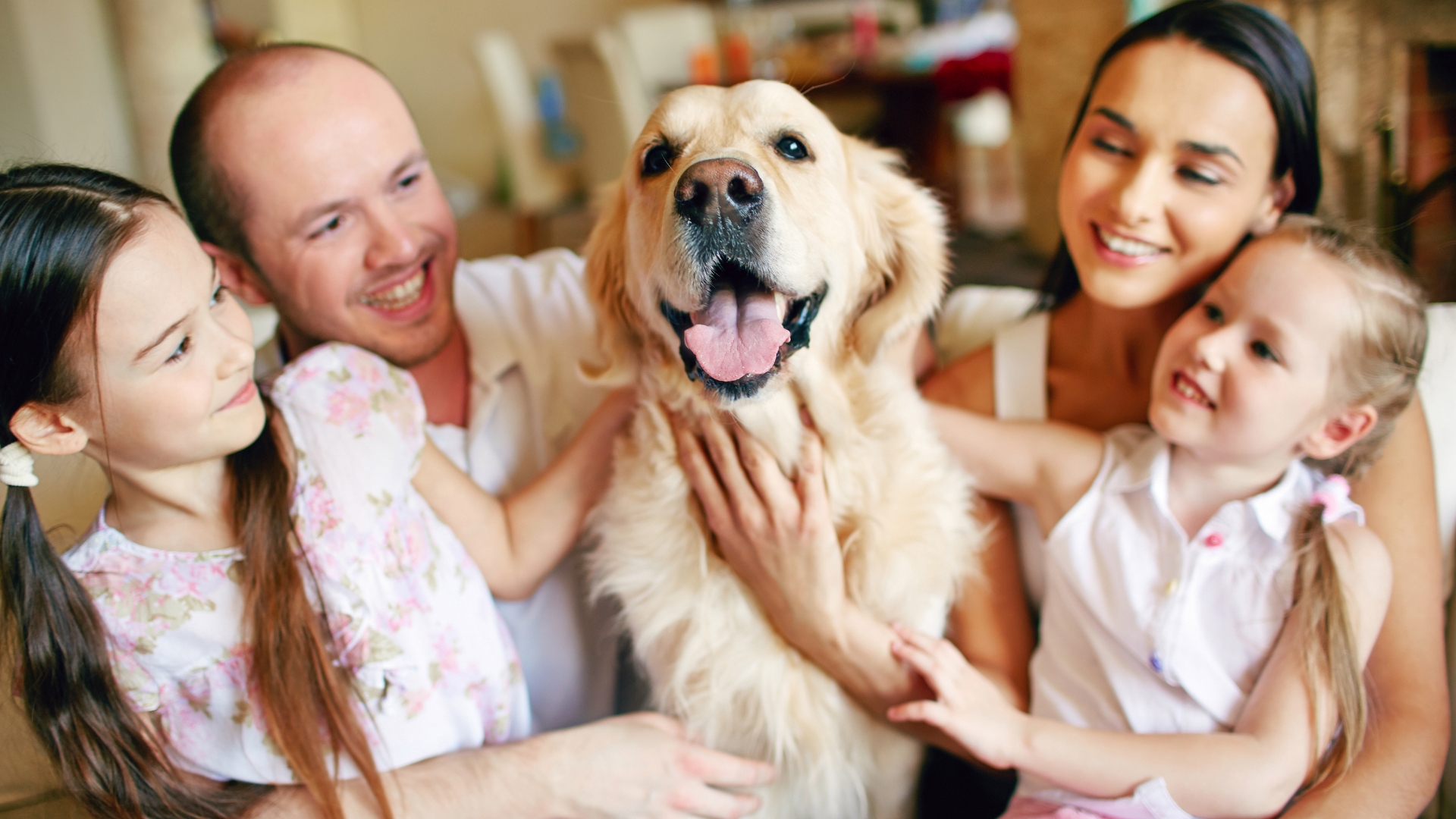
Modern life doesn’t always fit the traditional idea of full-time pet ownership. Long work hours, frequent travel, health issues, or family responsibilities can make it difficult to give a dog the consistent time and presence they deserve. Yet the emotional desire to share life with an animal remains strong.
This is where dog sharing, also known as shared dog custody, is emerging as a thoughtful and realistic solution.
Dog sharing allows two individuals or families to co-care for the same dog under a clearly defined agreement covering routines, responsibilities, expenses, and emergency planning. When done correctly, it can significantly improve the dog’s quality of life while reducing stress, guilt, and burnout for the humans involved.
What Is Dog Sharing?
Dog sharing is a structured caregiving arrangement in which a dog lives part-time with two caregivers. Unlike casual dog sitting, this model is long-term, intentional, and based on stability.
The dog typically alternates homes on a predictable schedule (for example, weekdays with one caregiver and weekends with another), maintaining consistent routines, veterinary care, and emotional bonds with both parties.
This model is increasingly used by:
- Professionals with demanding schedules
- Frequent travelers
- Single pet owners without a support network
- Families seeking companionship without full-time responsibility
- Older adults who need help with physical care

Why Dog Sharing Can Be Beneficial
Benefits for the Dog
When structured properly, shared custody can actually reduce anxiety and isolation in dogs. Dogs are social animals, and extended periods alone can elevate cortisol levels, leading to behavioral issues such as destructive behavior, excessive barking, or separation anxiety.
A shared care model ensures:
- More daily human interaction
- Consistent exercise and mental stimulation
- Reduced time alone
- Better monitoring of emotional and physical health
Benefits for Pet Owners
For humans, dog sharing offers emotional fulfillment without the overwhelming pressure of doing everything alone.
It can:
- Reduce caregiver fatigue
- Provide flexibility during travel or emergencies
- Prevent guilt associated with long absences
- Create a built-in pet emergency plan (link to January2nd article)
For people who love animals but struggle with time constraints, dog sharing is often a healthier alternative to full-time ownership or repeated boarding.

Requirements for a Successful Dog Sharing Arrangement
Dog sharing only works when clarity and communication are prioritized from the beginning.
Compatibility Comes First
Both caregivers should align on:
- Training methods
- Feeding philosophy
- Exercise needs
- Rules (furniture access, sleeping arrangements, discipline style)
Dogs are highly sensitive to inconsistency. Conflicting rules between homes can increase stress and anxiety in dogs, especially those prone to behavioral reactivity.

How to Create a Dog Care Agreement
A written Dog Care Agreement protects everyone involved — especially the dog.
Key elements to include:
Care Routine
- Feeding schedule and diet
- Exercise requirements
- Training commands and expectations
Health & Veterinary Care
- Primary veterinarian
- Vaccination schedule
- Medication administration
- Decision-making authority in medical emergencies
Expenses
- Food and supplies
- Vet bills
- Insurance
- Emergency costs
Travel & Vacation Pet Care
This is where many arrangements fail if not planned ahead. Including a vacation pet care plan ensures continuity and reduces last-minute stress.
Emergency Planning
Every shared custody arrangement should include a pet emergency plan (link to 2nd article for January) detailing:
- Emergency contacts
- Preferred clinics
- Authorization for urgent medical decisions
Understanding the Limits of Dog Sharing
Dog sharing is not suitable for every dog. Dogs that may struggle include:
- Puppies without established routines
- Dogs with severe separation anxiety
- Dogs with high territorial behavior
- Animals recovering from trauma
In these cases, professional guidance from trainers or veterinary behaviorists is strongly recommended.
Recognizing signs of anxiety in dogs, such as pacing, appetite changes, excessive licking, or withdrawal, is essential. Ignoring these signals can lead to chronic stress and elevated cortisol levels, impacting long-term health.

Real-Life Case Study (Anonymized)
One of our clients, a healthcare professional working rotating shifts, entered a shared custody arrangement with her retired neighbor. Molly, her beautiful 2yo German Shepherd maintained a stable daily routine, never spent long hours alone, and showed measurable behavioral improvements within three months — including reduced vocalization and improved sleep patterns. We kept transporting Molly on her Vet appointment and never missed again a single one even at groomer.
For both caregivers, the emotional relief was significant. The arrangement eliminated constant worry about neglect while preserving a deep emotional bond with the dog.

Enhancing the Experience with Tools & Resources
To make shared custody smoother and more transparent, many caregivers use:
- Shared digital calendars
- Vet record folders
- Routine checklists
- Emergency instruction sheets
Providing downloadable checklists or infographics can greatly improve communication and is especially useful when working with professional pet support services.
Final Thoughts
Dog sharing is not about doing less — it’s about doing what’s best for the dog within the realities of modern life.
When structured thoughtfully, shared custody can lower stress, prevent emotional neglect, and ensure that a dog’s physical and emotional needs are consistently met. For pet owners navigating busy schedules, travel, or life transitions, it represents a compassionate and sustainable alternative to traditional ownership.
At its core, dog sharing reflects a growing awareness that responsible pet care is not about perfection, but about planning, honesty, and support.