
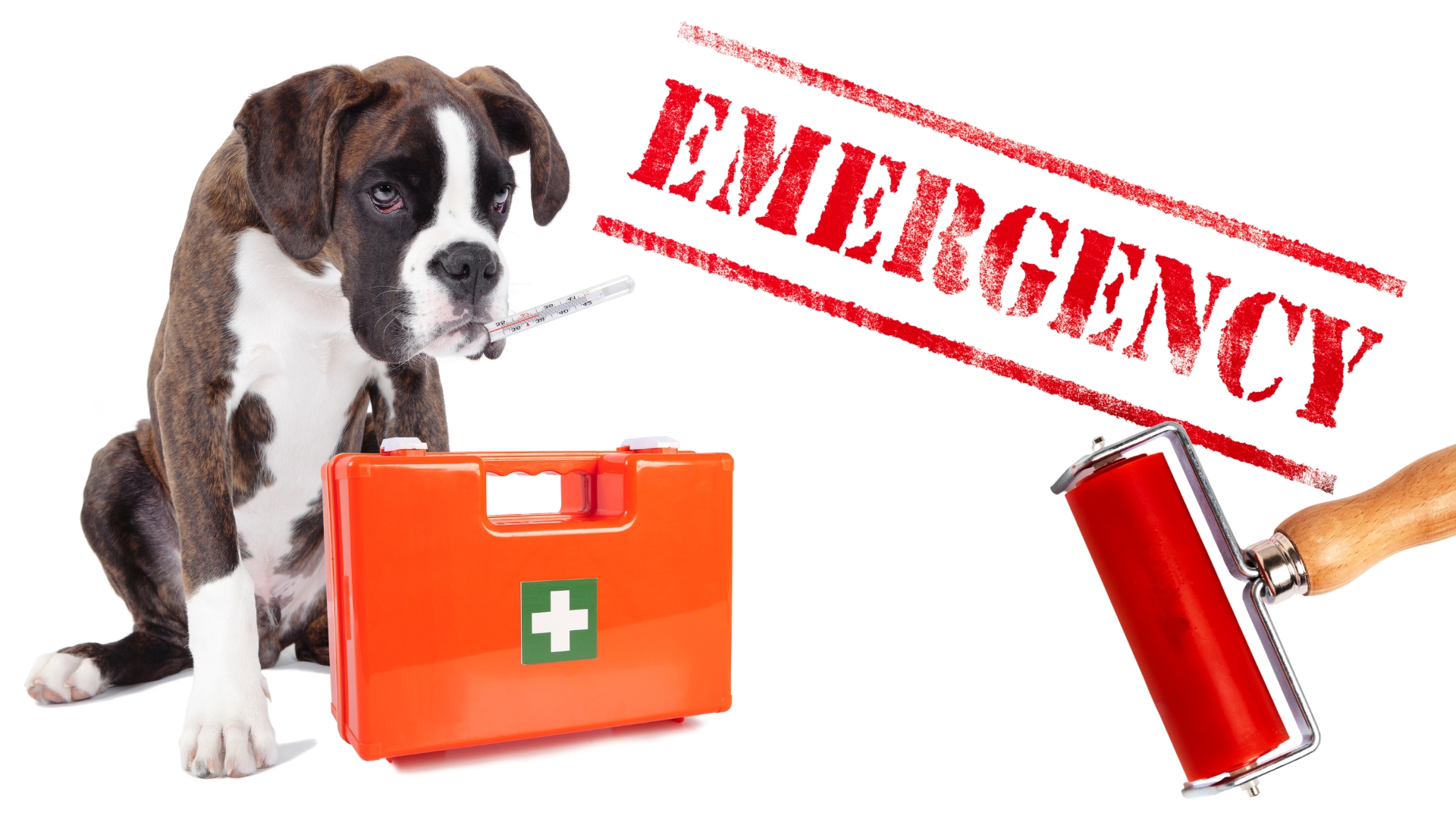
Most pet owners believe emergencies are rare, unlikely, or something that happens to “other people.” Unfortunately, when it comes to pets, emergencies are not a matter of if—but when. Sudden illness, accidents, delayed travel, caregiver cancellations, or unexpected hospitalization can leave pets vulnerable if no clear plan is in place.
Emergency pet planning is not about being pessimistic. It’s about being prepared—so you never have to make rushed decisions driven by fear, guilt, or confusion.
Why Acting Preventively Matters More Than Fixing Mistakes Later
In emergency care, time and clarity are everything. Studies published in the Journal of Veterinary Emergency and Critical Care show that delays in decision-making and incomplete medical histories significantly impact outcomes, especially in acute situations.
Without a plan, caregivers may not know:
- which veterinarian to call
- whether a pet has chronic conditions
- how to recognize early signs of distress
- who is authorized to make medical decisions
By the time answers are found, valuable time—and sometimes options—are lost.
Emergency pet planning removes uncertainty before stress takes over.
disrupted, stress levels rise quickly—especially in dogs and cats already prone to anxiety.

Why Emergency Planning Matters for all Pets Not Just for Sick or Senior Pets
A common misconception is that emergency planning is only necessary for aging or ill animals. In reality, healthy pets of any age experience emergencies more often than expected—ranging from gastrointestinal blockages to anxiety-related injuries during routine disruptions.
Research published in Physiology & Behavior shows that sudden changes in environment or routine, travel, schedule changes, or unfamiliar environments are well-documented triggers for stress-related behaviors in pets. can cause a rapid increase in cortisol levels in dogs, intensifying fear, confusion, and anxiety-related behaviors (Beerda et al., 1999). For cats, stress can manifest as withdrawal, hiding, appetite loss, or inappropriate elimination.
According to the American Veterinary Medical Association (AVMA), behavioral stress can escalate into medical emergencies when early signs are overlooked.
Emergency planning reduces this shock by ensuring continuity of care, familiar handling, and clear instructions—when timing matters most. Planning ahead allows caregivers to recognize warning signs early and intervene appropriate

Common Situations That Require a Pet Emergency Plan
Many pet owners associate emergency planning only with natural disasters, but everyday life presents far more frequent risks:
- unexpected hospitalization or illness of the owner
- last-minute travel or extended absence
- pets experiencing medical decline while you are away
- senior pets needing special care routines
- dogs showing anxiety signals during disruptions
This is especially important when arranging pet sitting or a stay in a pet hotel, where caregivers may not know your pet’s needs, triggers, or medical history.
Dogs and Cats React Differently to Emergencies
Dogs often express stress outwardly. According to Applied Animal Behaviour Science, signs of anxiety in dogs include pacing, vocalization, destructive behavior, and restlessness—classic anxiety signs that can escalate quickly without support (Mariti et al., 2013).
Cats, on the other hand, tend to internalize stress. Veterinary studies show that cats under acute stress may stop eating, hide for prolonged periods, or develop stress-related medical conditions (Journal of Feline Medicine and Surgery).
An emergency plan tailored to species-specific behavior makes a critical difference.
What a Strong Pet Emergency Plan Includes
A complete piano emergenza pet focuses on clarity, speed, and emotional safety.
| Element | Why It Matters |
|---|---|
| Emergency contacts | Immediate decision-making without delays |
| Medical information | Prevents errors and repeated stress |
| Daily routines | Reduces anxiety during transitions |
| Behavioral notes | Helps caregivers avoid triggers |
| End-of-life preferences | Prevents rushed or unwanted decisions |

Quick Checklist: Emergency Pet Planning Essentials
This checklist is ideal for a downloadable PDF or infographic to boost social sharing:
Emergency Pet Plan Checklist
- Pet profile (name, age, microchip)
- Vet and emergency clinic contacts
- Medications and dosages
- Feeding and care routine
- Anxiety triggers and calming strategies
- Authorized decision-maker
- Emergency transport instructions
- Hospice or end-of-life preferences (if applicable)
If you have a friend who loves pet but is busy or travel often, share this article and list with him/her/they! It may be beneficial for both of them, pet and owner!

How Emergency Planning Protects Emotional Health
Studies in Frontiers in Veterinary Science show that animals experience less emotional distress when transitions are handled calmly and consistently, even during medical emergencies (Mills et al., 2020). For pet owners, knowing a plan is in place significantly reduces panic, guilt, and rushed decisions.
It is also a key component of ethical end-of-life care, especially for senior pets or those with chronic conditions—supporting thoughtful decisions rather than reactive ones.

How Two by Two Pet Support Helps in Emergencies
At Two by Two Pet Support, we help families prepare for the unexpected and respond with clarity when it happens. From emergency transport coordination ( link to our emergency transport service) to support during medical or end-of-life decisions (link to hospice service) our goal is to protect both pets and people during high-stress moments.Planning ahead is not pessimistic.
It is an act of responsibility, love, and deep care. The same you reserved to your kids.