As temperatures begin to climb, so do the risks for our pets.
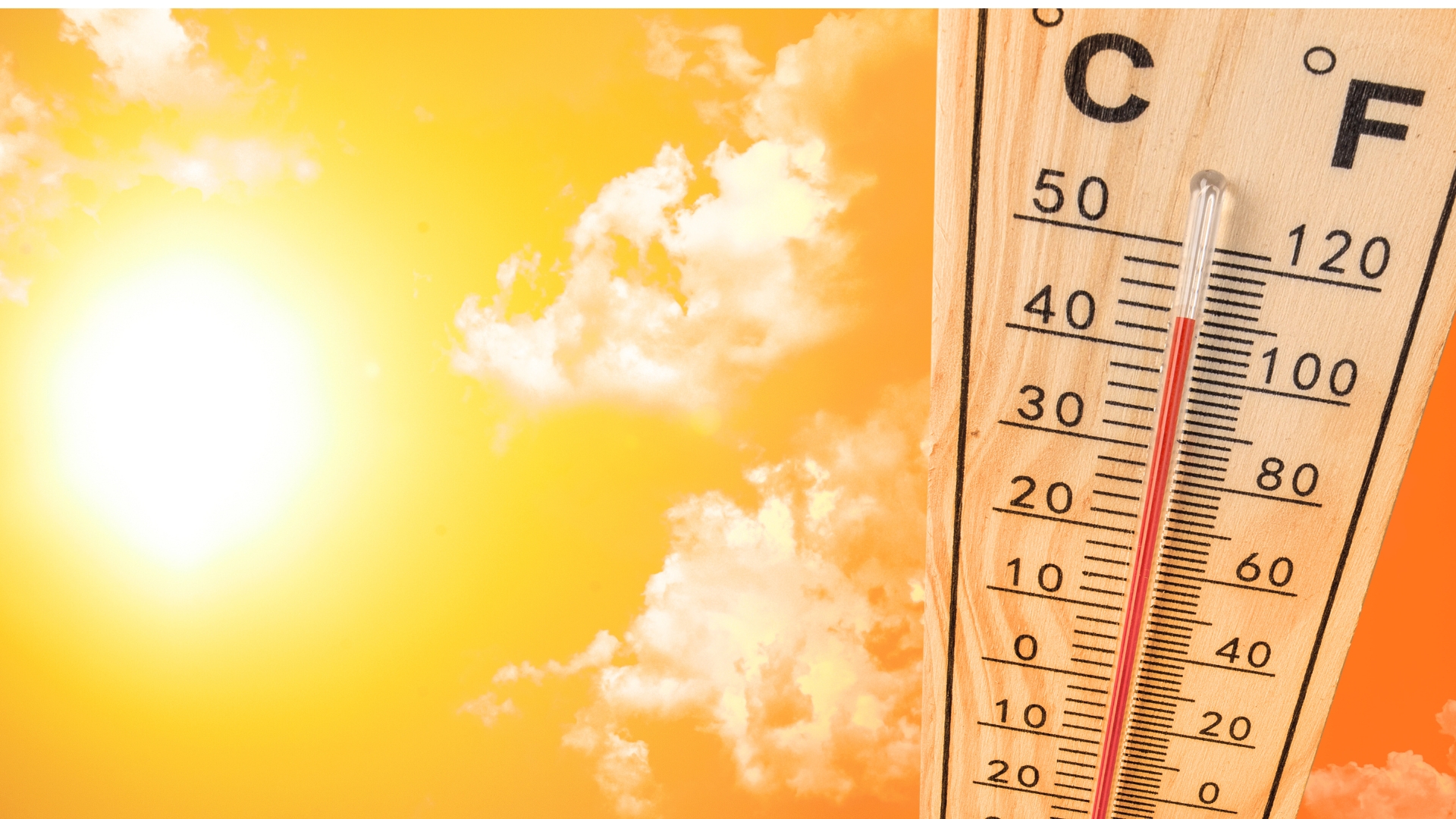
In places like Las Vegas and across the Southwest, heat isn’t just uncomfortable—it can quickly become life-threatening. Every year, as we move into the warmer months, veterinary clinics and emergency services begin to see a rise in heat-related cases—many of them preventable.
Understanding how heat affects your pet—and how to recognize early warning signs—can make all the difference.
Because when it comes to heat stroke, timing is everything.
Why Pets Are More Vulnerable to Heat
Unlike humans, pets don’t cool themselves as efficiently.
Dogs primarily regulate body temperature through panting, while cats rely on minimal sweating and grooming behaviors. This makes them far more susceptible to overheating—especially in dry desert climates where temperatures rise quickly.
Pets at Higher Risk
| Category | Why They’re More Vulnerable |
|---|---|
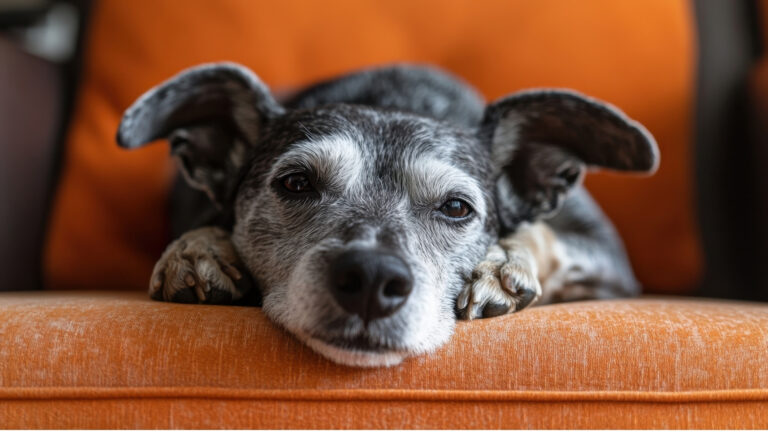
| Senior pets | Reduced ability to regulate body temperature |
| Brachycephalic breeds (e.g., Bulldogs, Pugs) | Compromised breathing limits cooling through panting |
| Pets with heart or respiratory conditions | Lower tolerance to physical stress and heat |
| Overweight animals | Extra body mass retains heat |
| Thick or dark-coated pets | Absorb and retain more heat |
Even short exposure to high temperatures can overwhelm their ability to regulate heat.
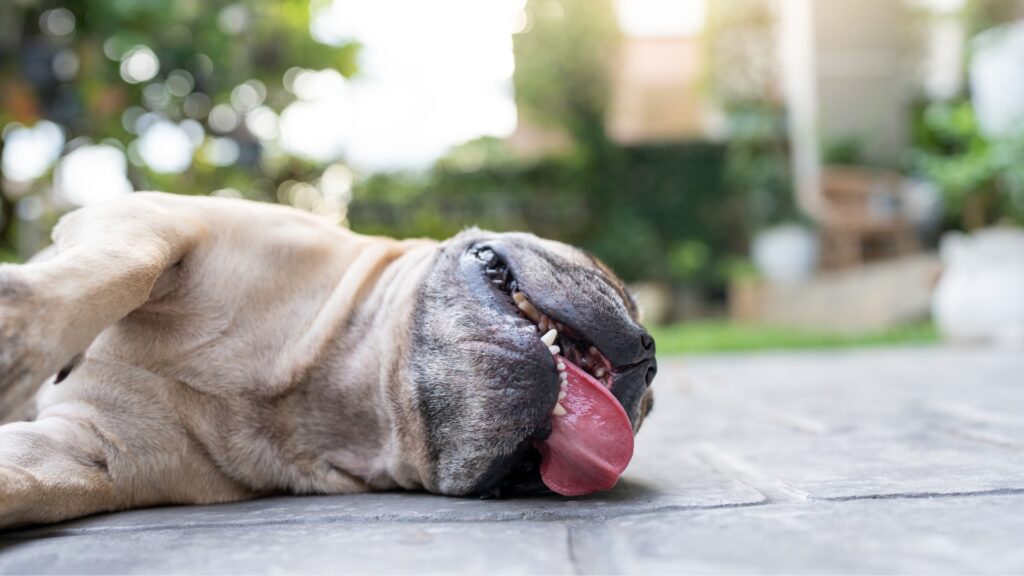
What Is Heat Stroke?
Heat stroke occurs when a pet’s body temperature rises above safe levels—typically over 104°F—and they can no longer cool themselves.
At this point, internal organs begin to suffer damage. Without immediate intervention, heat stroke can become fatal very quickly.
Early Signs to Watch For
Recognizing early symptoms can save your pet’s life.
Signs of Heat Stress vs. Heat Stroke
| Stage | Symptoms |
|---|---|
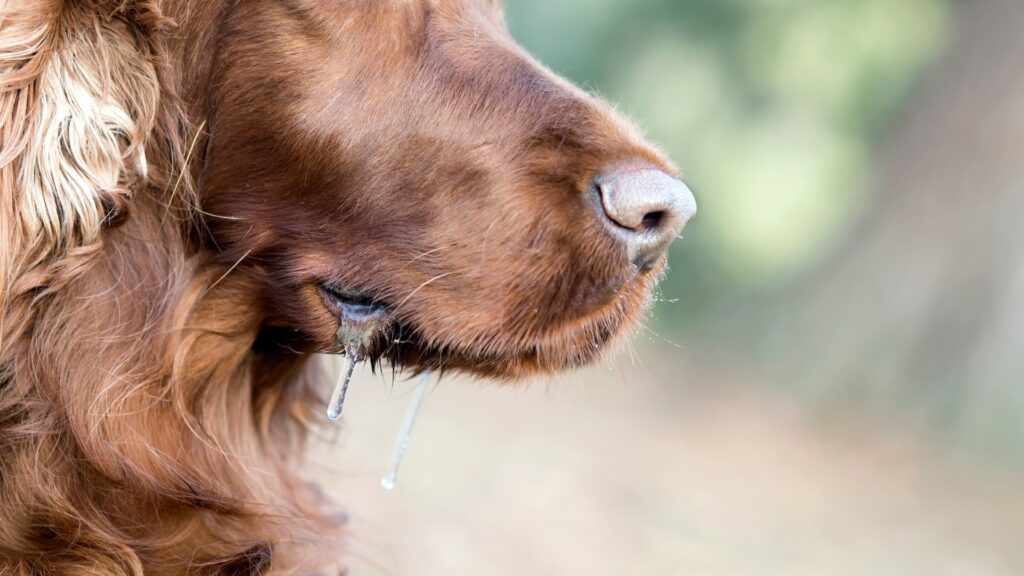
| Early Heat Stress | Excessive panting, drooling, mild lethargy, seeking shade |
| Moderate | Vomiting, diarrhea, increased weakness, red or pale gums |
| Severe (Heat Stroke) | Disorientation, collapse, seizures, loss of consciousness |
If you notice progression between stages, immediate action is critical.
Common Situations That Lead to Heat Stroke
Many heat stroke cases happen during everyday routines.
High-Risk Scenarios
| Situation | Why It’s Dangerous |
|---|---|
| Parked cars | Temperatures rise rapidly—even with windows cracked |
| Midday walks | Peak heat + hot pavement increases overheating risk |
| Outdoor confinement | Lack of shade or water leads to rapid heat buildup |
| Overexertion | Exercise raises body temperature beyond safe levels |
In Las Vegas, asphalt can become hot enough to burn paws within seconds.

How to Prevent Heat Stroke
The good news: heat stroke is largely preventable with awareness and small adjustments.
Prevention Checklist
| Action | Why It Matters |
|---|---|
| Walk early morning or evening | Avoid peak temperatures and hot surfaces |
| Provide constant access to water | Prevent dehydration and overheating |
| Ensure shaded or cooled environments | Helps regulate body temperature |
| Never leave pets in cars | Eliminates one of the most common fatal risks |
| Monitor your pet’s limits | Each pet has different tolerance levels |
What to Do If You Suspect Heat Stroke
If your pet shows signs of overheating, act immediately.
Immediate Actions
| Step | What to Do |
|---|---|
| 1 | Move your pet to a cool, shaded or air-conditioned area |
| 2 | Offer small amounts of cool (not cold) water |
| 3 | Apply cool water or damp towels to paws, belly, and neck |
| 4 | Seek veterinary care immediately |
⚠️ Avoid ice or very cold water, as this can cause shock and worsen the condition.
A Final Thought
As pet parents, we often think of protection in terms of love, comfort, and presence.
But sometimes, protection looks like awareness.
It looks like adjusting routines.
It looks like making small, intentional choices before a situation becomes an emergency.
Heat stroke escalates quickly—but it rarely happens without warning.
Being able to recognize those early signs and act with clarity is one of the most powerful ways you can care for your companion.
Because in the moments that matter most, preparation is what allows love to show up fully.