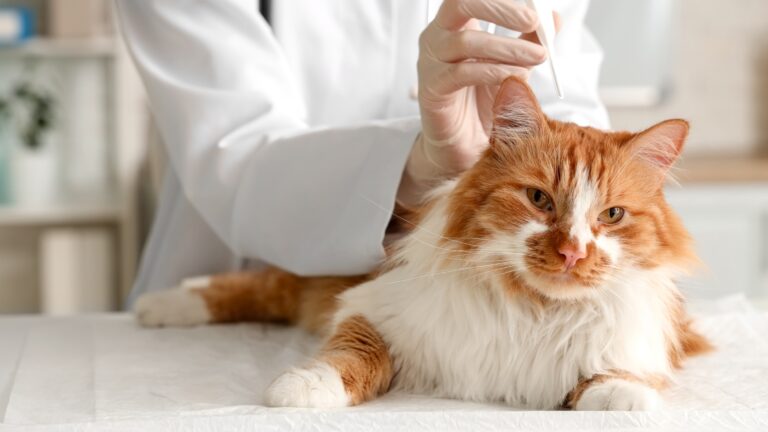
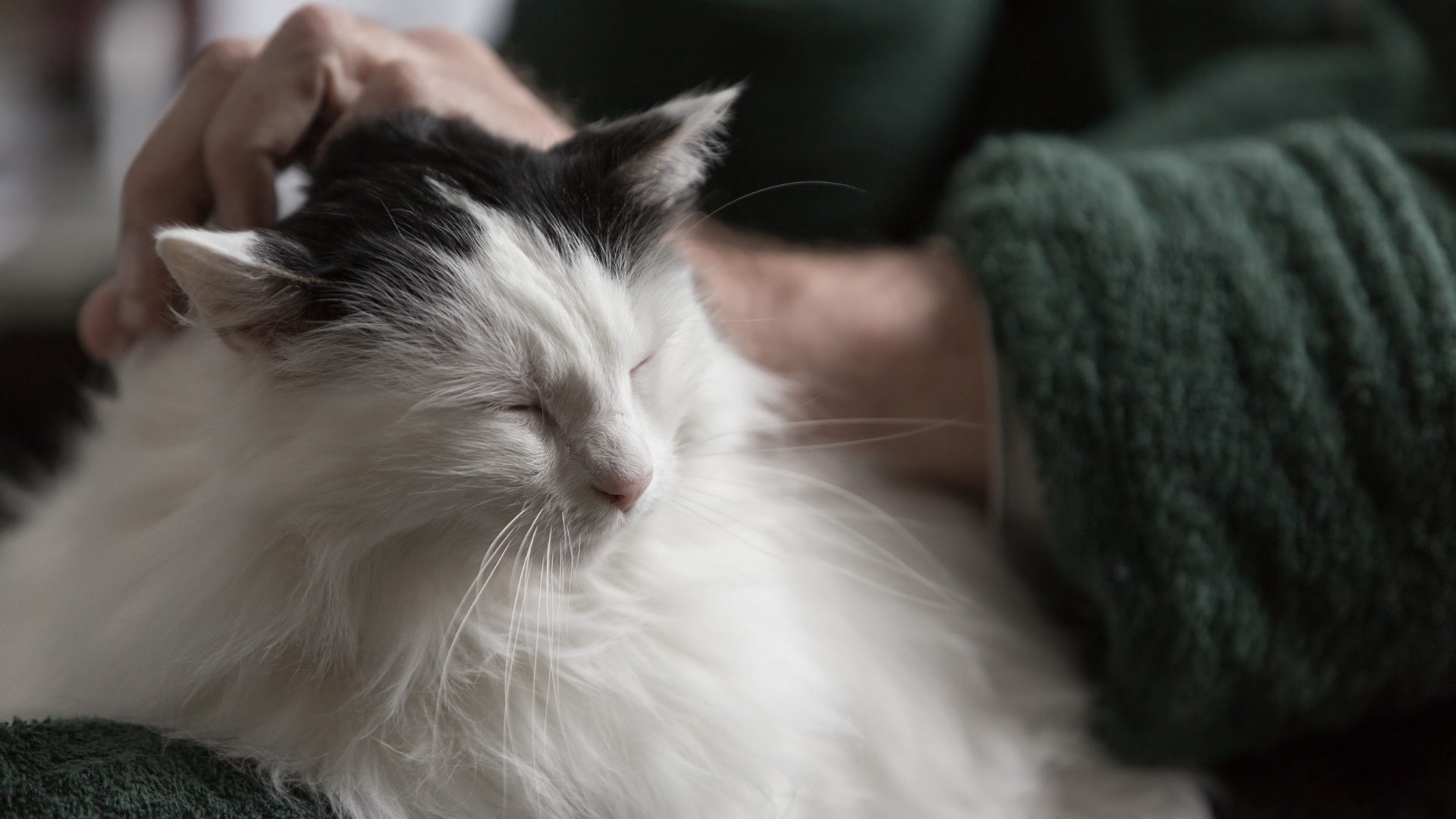
Aging is not a sudden event—it is a gradual process that unfolds quietly over time. In cats, this process is often subtle, easily overlooked, and misunderstood. As explored in our previous article, Senior Cat Care: Special Considerations for Health, Comfort, and Quality of Life, article senior cats experience complex physical and emotional changes that require a thoughtful, proactive approach.
Helping a senior cat age gracefully means adapting care before crisis arises, recognizing small changes early, and shifting our mindset from “fixing problems” to supporting life as it is.
Graceful aging is not about extending time at all costs. It is about preserving dignity, comfort, and connection—day by day.
What Does “Aging Gracefully” Mean for Cats?
Cats do not measure life in years. They experience life through:
- comfort or discomfort
- safety or stress
- connection or withdrawal
Graceful aging focuses on maintaining balance across these dimensions.
Veterinary research published in Journal of Feline Medicine and Surgery highlights that senior cats benefit most when care strategies are adjusted early—before mobility loss, appetite decline, or behavioral changes become severe.
In other words, aging gracefully is not reactive care. It is anticipatory care.
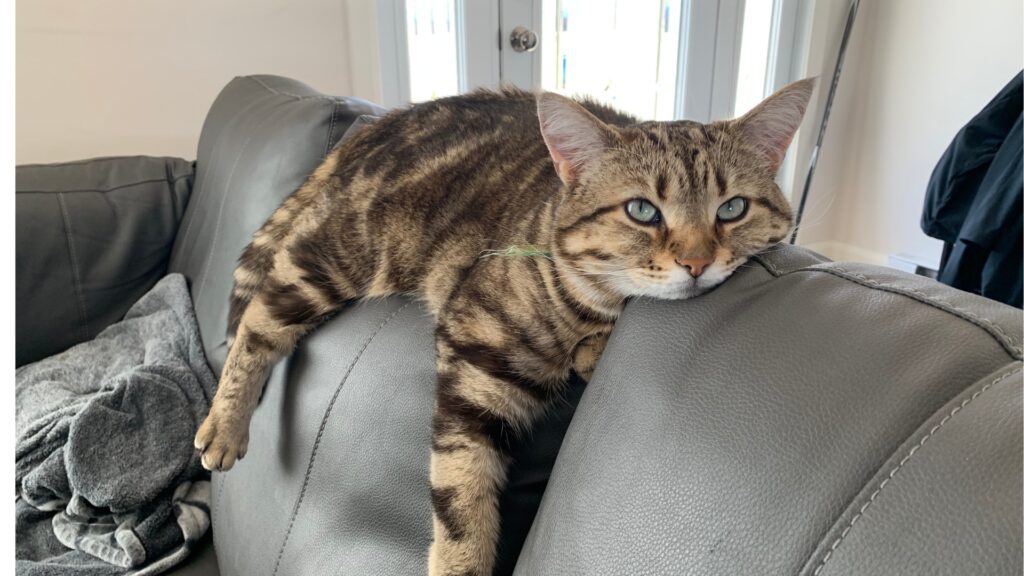
Subtle Changes That Signal the Need for Support
Many families wait for obvious illness before changing routines. Unfortunately, cats rarely show dramatic symptoms until disease is advanced.
Early indicators that a cat may need additional support include:
- sleeping more, but less deeply
- reduced interest in play or grooming
- changes in posture when sitting or lying down
- hesitation before jumping
- mild appetite fluctuations
- increased irritability or withdrawal
These changes are often dismissed as “normal aging,” but veterinary studies show they frequently correspond to arthritis, early kidney disease, cognitive changes, or chronic pain (Frontiers in Veterinary Science).
Recognizing these signs early allows families to respond gently rather than urgently.
Environmental Adjustments That Make a Big Difference
One of the most effective ways to support senior cats is by adapting their environment.
Cats are creatures of habit, and physical limitations can make once-simple tasks stressful or painful. Research in Applied Animal Behaviour Science confirms that reducing environmental barriers lowers stress and improves emotional regulation in aging cats.
Helpful adjustments include:
- lowering litter box entry points
- placing food and water on each level of the home
- adding steps or ramps to favorite resting spots
- providing warm, orthopedic bedding
- minimizing slippery surfaces
These changes are not cosmetic—they directly reduce daily strain and support independence.
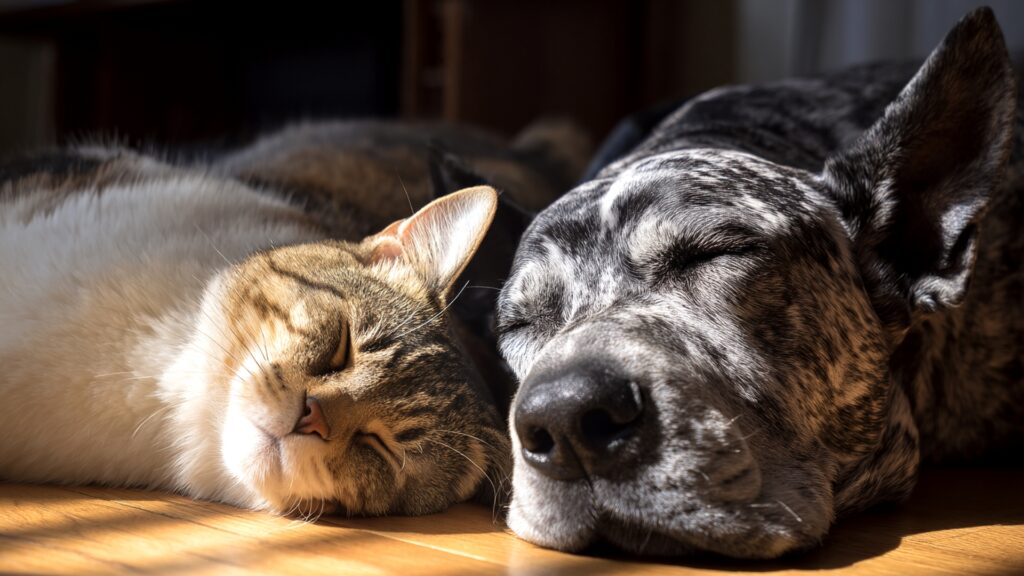
Emotional Stability Is a Medical Priority
Stress plays a major role in how cats experience aging. Elevated cortisol levels have been linked to immune suppression, increased pain sensitivity, and appetite loss in felines (Physiology & Behavior).
Senior cats rely heavily on:
- consistent routines
- familiar caregivers
- predictable environments
Even well-intentioned actions—frequent vet visits, household changes, travel—can disrupt emotional balance.
This is why many families explore in-home care options as cats age, allowing medical support to happen without removing the cat from their safe space.
Nutrition as a Tool for Graceful Aging
Nutrition is one of the most powerful, yet underestimated, tools in senior cat care.
As cats age:
- muscle mass naturally declines (sarcopenia)
- kidney efficiency decreases
- digestive absorption changes
Veterinary nutrition research emphasizes that senior cats often need:
- highly digestible protein to preserve muscle
- controlled phosphorus for kidney health
- increased moisture intake to prevent dehydration
Importantly, food enjoyment matters. A cat who eats well is often a cat who feels better emotionally and physically.
When Care Becomes Supportive, Not Curative
There comes a time when aggressive medical treatment no longer improves daily life. This does not mean care stops—it means care changes direction.
As discussed in our article Not Every Diagnosis Requires Euthanasia, many chronic conditions can be managed through comfort-focused strategies rather than invasive intervention.
Supportive care may include:
- pain management
- hydration support
- appetite stimulation
- anxiety reduction
- routine preservation
Veterinary palliative care literature published in Veterinary Clinics of North America emphasizes that comfort-focused care often improves overall well-being, even when disease progression continues (Downing, 2015).
See our article: wellness testing as cats age
The Role of Pet Hospice in Graceful Aging
Pet hospice care plays a vital role in helping senior cats age with dignity.
At Two by Two Pet Support, hospice care is designed to:
- support comfort at home
- minimize stress and unnecessary procedures
- monitor quality of life compassionately
- guide families through evolving needs
Hospice care is not limited to the final days of life. It can support cats for weeks or months, helping families navigate aging with clarity rather than fear.
Learn more about our hospice approach here:
👉 https://twobytwopetsupport.com/pet-hospice-care-services/
Hospice care allows aging to remain a shared experience, not a medical emergency.
Supporting the Human–Animal Bond
Aging affects families, not just pets.
Studies published in Anthrozoös show that caregivers who feel supported and informed during a pet’s aging process experience less anticipatory grief and greater emotional resilience (Adams et al., 2000).
Helping a cat age gracefully also means:
- giving families time to adjust
- offering guidance without pressure
- respecting emotional readiness
Care is as much relational as it is medical.
Graceful Aging Is About Presence
Graceful aging does not mean avoiding difficult moments. It means meeting them with preparation, compassion, and intention.
A senior cat who feels safe, comfortable, and emotionally connected is living well—regardless of diagnosis.