

Aging does not happen all at once. In dogs, it unfolds quietly through small adjustments: shorter walks, longer naps, a hesitation before jumping into the car, or a subtle change in how they greet the people they love. These moments are often dismissed as “normal aging,” but they are actually signals—requests for support, not signs of decline.
As explored in Senior Dog Care: Recognizing Change, Supporting Comfort, and Preserving Quality of Life, senior dog care begins with awareness. Helping dogs stay comfortable and emotionally engaged as they age is the next, equally important step.
This phase of life is not about slowing everything down. It is about reshaping daily life to match evolving needs, while preserving joy, connection, and dignity.
Comfort Is More Than Pain Management
Comfort in senior dogs is often misunderstood as the absence of pain alone. In reality, comfort is a combination of physical ease, emotional safety, and environmental support.
Veterinary research consistently shows that unmanaged low-grade discomfort—even when not obvious—can affect mood, sleep, appetite, and social behavior. According to studies referenced by VCA Hospitals, dogs experiencing chronic discomfort often compensate behaviorally, masking symptoms until stress and fatigue accumulate.
True comfort means:
- reduced physical strain
- predictable routines
- emotional reassurance
- freedom from unnecessary stress
When these elements align, senior dogs often regain interest in daily life—even with chronic conditions present.

Mobility as Emotional Expression
For dogs, movement is communication. Walking, exploring, following their people from room to room—these actions are how dogs participate in the world.
As mobility changes with age, dogs may:
- walk more slowly
- avoid stairs or slippery floors
- hesitate before standing
- stop engaging in favorite activities
Research published in Frontiers in Veterinary Science confirms that mobility decline is strongly linked to emotional withdrawal in dogs, not just physical limitation. When movement becomes difficult, dogs may appear “less interested,” when in fact they are protecting themselves from discomfort.
Supporting mobility through:
- environmental adjustments
- gentle physical support
- pain and inflammation management
- thoughtful activity pacing
can dramatically improve both physical comfort and emotional engagement.

Engagement Looks Different in Senior Dogs
Engagement does not always mean high energy. For senior dogs, engagement may look like:
- choosing to rest near family
- responding to familiar voices
- enjoying gentle interaction
- maintaining interest in food or routines
Studies in Applied Animal Behaviour Science show that emotionally engaged senior dogs exhibit more stable stress hormone levels and better overall resilience, even in the presence of chronic illness.
The goal is not to force activity, but to create opportunities for connection that respect changing capacity.
The Importance of Routine and Predictability
Senior dogs rely heavily on routine. Predictability reduces anxiety and supports emotional regulation.
Even small disruptions—schedule changes, frequent vet visits, new environments—can increase stress. Research in Physiology & Behavior demonstrates that repeated stress elevates cortisol levels in aging dogs, which in turn worsens pain perception, immune response, and fatigue.
Maintaining consistent:
- feeding times
- walking schedules
- sleep environments
- caregiver presence
helps senior dogs feel safe and oriented.
This is one reason many families begin exploring in-home support options as dogs age—allowing care to happen without unnecessary disruption.
Nutrition, Weight, and Daily Energy
As dogs age, nutritional needs shift in subtle but important ways.
Senior dogs often experience:
- muscle loss despite stable weight
- reduced energy utilization
- increased sensitivity to excess weight
Veterinary nutrition studies emphasize that maintaining lean muscle mass is critical for mobility and comfort. This often requires:
- high-quality, digestible protein
- careful calorie management
- anti-inflammatory nutrients such as omega-3 fatty acids
Nutrition becomes a daily form of support—not just maintenance.

Emotional Presence: What Dogs Need Most
Senior dogs are often more emotionally sensitive than they were in youth. They may seek reassurance more frequently or become distressed when separated from familiar people.
This is not regression—it is adaptive attachment.
Research published in Anthrozoös highlights that dogs nearing later life stages rely more heavily on trusted caregivers for emotional regulation. Calm presence, gentle touch, and familiar voices have measurable effects on stress reduction and emotional stability.
For families, this phase can feel intense—but it is also deeply meaningful.
When Engagement Declines: Listening Without Panic
A gradual reduction in engagement does not automatically mean suffering. However, sudden or persistent withdrawal should prompt evaluation.
Changes to watch for include:
- loss of interest in favorite interactions
- persistent restlessness or anxiety
- disrupted sleep-wake cycles
- decreased appetite or social avoidance
Veterinary behavioral research links these changes to unmanaged pain, anxiety, or sensory decline. Addressing the underlying cause often restores engagement more effectively than encouraging activity alone.

Supportive Care and the Role of Pet Hospice
There comes a point when supporting comfort and engagement becomes the primary goal of care.
Pet hospice care plays a vital role at this stage—not as an endpoint, but as a continuation of compassionate support.
At Two by Two Pet Support, hospice care for senior dogs focuses on:
- comfort-centered decision-making
- pain and anxiety management
- emotional stability through in-home care
- ongoing quality-of-life assessment
- guidance for families navigating uncertainty
Hospice care allows senior dogs to remain in familiar surroundings, supported by the people they trust most.
Learn more about our hospice approach here:
👉 https://twobytwopetsupport.com/pet-hospice-care-services/
Importantly, hospice care supports engagement, not withdrawal—by removing stressors that interfere with connection.
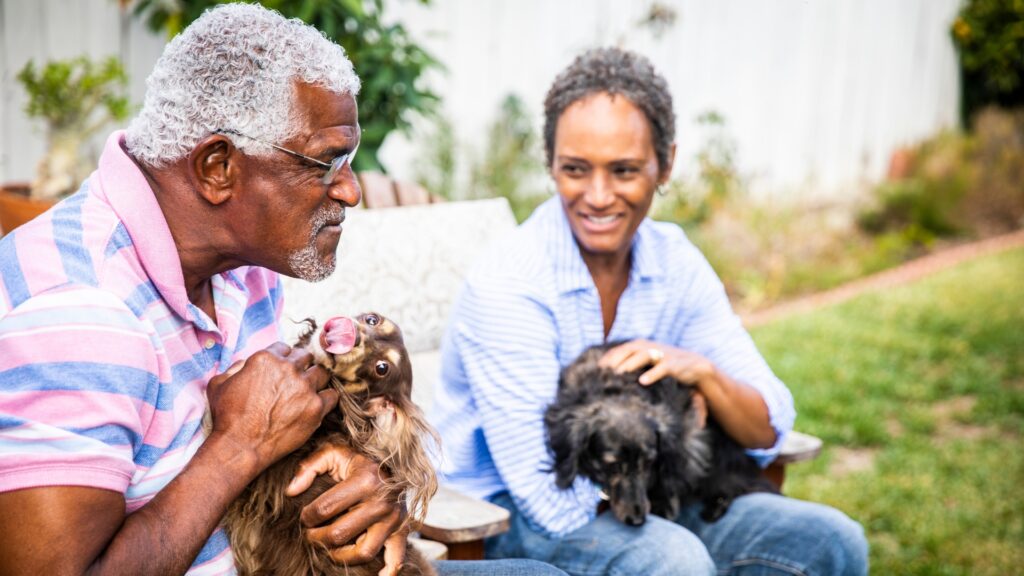
Supporting the Caregiver Through This Stage
Helping a dog age gracefully is emotionally complex. Families may struggle with guilt, uncertainty, or fear of “not doing enough.”
Studies in Anthrozoös show that caregivers who receive guidance and reassurance during this stage experience less emotional distress and greater confidence in their decisions.
Support is not only for the dog—it is for the bond you share.
Comfort and Engagement as Daily Practice
Comfort is not a one-time decision. Engagement is not a single behavior. Both are daily practices shaped by observation, flexibility, and compassion.
Senior dogs do not need perfection.
They need presence, patience, and understanding.