

When medicine reaches its limits, love does not.
Hospice care for pets exists precisely in this space—where treatments may slow down, but care becomes deeper, more intentional, and more human.
Unlike traditional veterinary discussions that focus on diagnoses and outcomes, hospice care invites a different question:
How can we support this life—right now—in the most respectful and loving way possible?
As discussed in our recent article “Not Every Diagnosis Requires Euthanasia”, serious illness does not automatically mean the end of meaningful living. Hospice care builds on that understanding by reframing what care looks like when curing is no longer the goal.
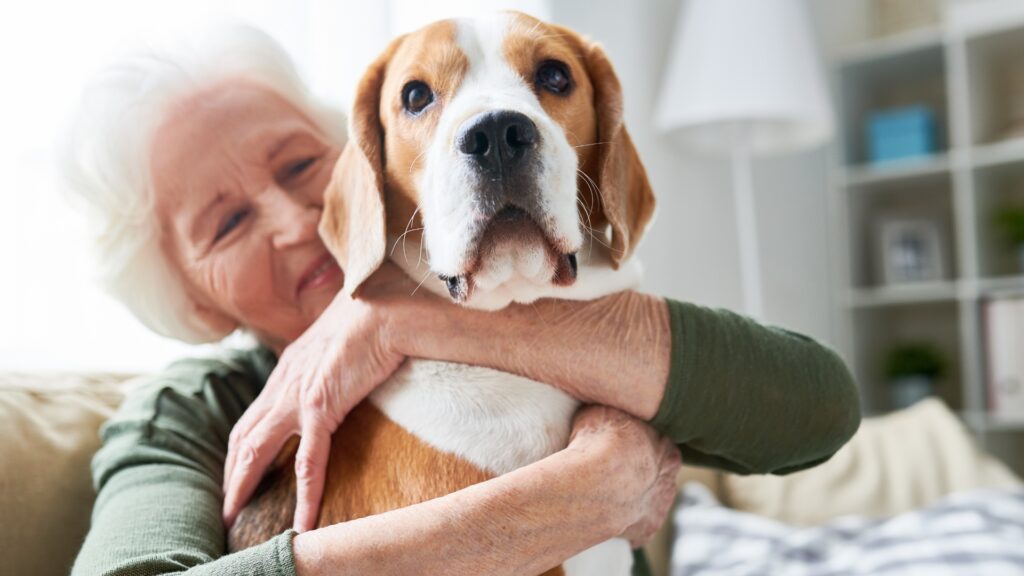
Hospice Is Not About Letting Go—It’s About Staying Present
One of the most common fears pet owners express is that choosing hospice means “giving up.” Clinically and emotionally, this is not true.
Veterinary hospice is an active form of care focused on comfort, emotional safety, and symptom management. According to palliative care research published in Veterinary Clinics of North America, hospice allows pets to remain engaged in daily life while minimizing physical and emotional distress (Downing, 2015).
Hospice is about staying present—not withdrawing.
Dignity as a Medical and Emotional Priority
Animals do not understand prognosis. They understand:
- pain or relief
- stress or calm
- fear or safety
Studies in Frontiers in Veterinary Science show that prolonged medical stress increases cortisol levels in dogs and cats, intensifying discomfort and anxiety even when pain is pharmacologically managed (Mills et al., 2020).
Hospice care places dignity at the center by:
- limiting invasive procedures
- maintaining familiar routines
- preserving autonomy whenever possible
- protecting the pet’s emotional world
Dignity is not abstract—it is measurable in behavior, appetite, rest, and emotional responsiveness.

The Pet Owner’s Role: From Helplessness to Purpose
One of the most profound differences hospice care offers is the transformation of the pet owner’s role.
Instead of feeling powerless, owners become:
- observers of subtle comfort cues
- protectors of emotional safety
- partners in care decisions
Research on anticipatory grief published in Anthrozoös shows that active participation in end-of-life care helps owners process loss more healthily and reduces long-term emotional distress (Adams et al., 2000).
Hospice care gives families time with meaning, not just time measured in days.
Hospice and Traditional Care: Different Intentions, Shared Compassion
| Aspect | Traditional Veterinary Care | Hospice Care |
|---|---|---|
| Core intention | Treat disease | Support life quality |
| Emotional pace | Crisis-driven | Guided and gradual |
| Pet experience | Often stressful | Intentionally calming |
| Family role | Decision under pressure | Supported involvement |
As highlighted in Applied Animal Behaviour Science, animals respond positively to emotionally regulated caregivers and predictable environments—both core elements of hospice care (Mariti et al., 2013).

When Hospice Makes the Most Sense
Hospice care may help when:
- treatments no longer improve daily comfort
- the pet shows fatigue from repeated interventions
- maintaining emotional calm becomes as important as managing symptoms
The American Veterinary Medical Association recognizes hospice as an ethical, medically sound option when quality of life can be preserved (AVMA Hospice Care Guidelines).
Hospice does not eliminate the possibility of euthanasia—but it ensures that, if that moment comes, it arrives with clarity rather than fear.
How This Philosophy Shapes Two by Two Pet Support
At Two by Two Pet Support, we believe that end-of-life care is not a single event—it is a process that deserves structure, compassion, and respect.
As we prepare to introduce hospice-focused services, our goal is to support families through:
- emotionally informed guidance
- calm transitions
- dignified care coordination
- space to process, reflect, and connect
Hospice care aligns with our belief that how we care matters just as much as what we do.
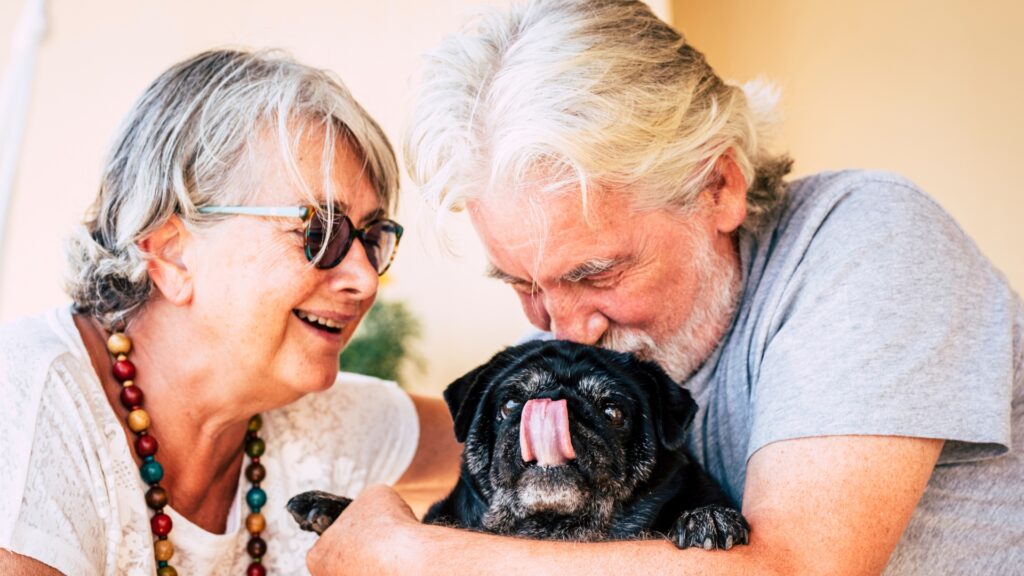
Why Hospice Is an Act of Love
Choosing hospice is not choosing less—it is choosing depth over urgency.
It is choosing to say:
- I see you
- I’m here with you
- Your comfort matters
And often, that choice becomes the foundation for healthier grief, gentler memories, and a lasting sense of peace.