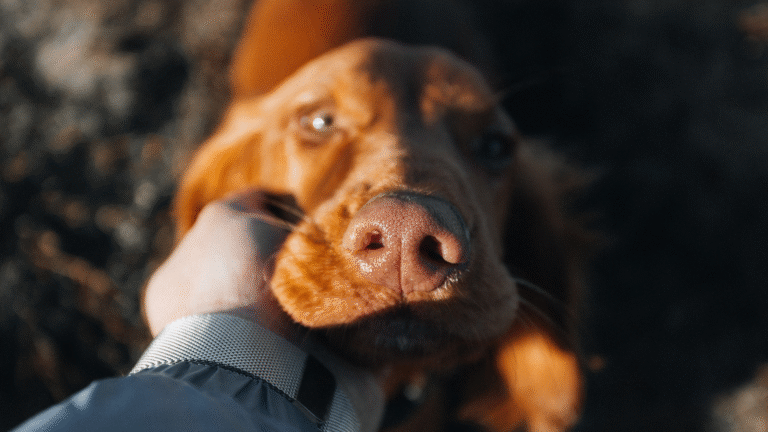

Losing a pet is unlike any other kind of loss. It’s the moment when a companion who walked beside you every day — quietly, loyally, unconditionally — is suddenly gone. And while society often minimizes this kind of grief, science tells a very different story.
A 2017 Frontiers in Veterinary Science study found that the human–animal bond activates the same neural pathways involved in human attachment. In other words: your grief is real. Legitimate. And absolutely normal.
Below, we break down the five most common emotional responses, why they happen, and what you can do to move through them without guilt or shame.
1. Shock: When Everything Feels Unreal

Shock is often the very first reaction after losing a pet. It may show up as emotional numbness, dissociation, or a sense of “this can’t be happening.”
Why It Happens
According to the American Psychological Association, shock is a protective neurological response designed to temporarily buffer overwhelming emotion.
How to Cope
- Sit in a quiet space and breathe intentionally.
- Avoid making major decisions for 24–48 hours.
- Let supportive friends or family handle logistics.
If the passing involved a medical crisis, Two by Two Pet Support can assist with compassionate transport, communication with veterinary staff, and aftercare logistics — removing pressure from an already fragile moment.
2. Denial: The Brain’s Way of Taking Grief in Small Doses

You may find yourself expecting to hear your dog’s paws on the floor, or instinctively checking the water bowl.
Why It Happens
Denial is not “refusing reality.” It’s your mind adjusting gradually to a life without your pet’s daily presence.
How to Cope
- Keep one comforting routine (lighting a candle, saying goodnight).
- Avoid judging yourself — denial is temporary and healthy.
- Write a letter to your pet expressing gratitude and memories.
3. Anger: A Natural Release Valve

Anger may be directed at yourself, your veterinarian, fate, or the world. You might ask: “Was there something else I could have done?”
Why It Happens
Grief-related anger is often a reaction to powerlessness. A 2020 UC Davis study found that pet owners experiencing medical-loss grief often express elevated frustration and self-blame.
How to Cope
- Speak with your veterinarian to clarify any lingering doubts.
- Use movement (a walk, stretching) to release emotional tension.
- Talk openly with someone who understands pet loss — this validates your feelings.
4. Deep Sadness: The Heart of the Grief Process

This is the stage people fear most: the long silence, the empty bed, the routines that suddenly stop. It can feel heavy, slow, and profoundly empty.
Why It Happens
Deep sadness is your emotional system recalibrating — learning how to love your pet in memory rather than in physical presence.
Signs It’s Normal
- Crying unpredictably
- Sleep disturbances
- Loss of appetite
- Desire to withdraw socially
When to Seek Extra Support
If the sadness interferes with daily functioning for several weeks, consider speaking with a grief counselor. Pet loss is a recognized form of bereavement, deserving of real care.
5. Stillness: When You Can’t Feel Anything at All

This reaction surprises many people. The world continues, yet you feel detached or flat — like emotions are muted.
Why It Happens
Stillness is often a form of emotional fatigue. After intense sadness or anxiety, the brain enters a neutral state to protect itself.
How to Cope
- Engage in grounding activities: warm showers, gentle walks, cooking.
- Reintroduce small joys without pressure — sunlight, music, time outdoors.
- Avoid forcing yourself to “move on.” Healing is nonlinear.
Quick Reference Table: Common Grief Responses & What Helps
| Emotional Response | What It Feels Like | Why It Happens | Practical Support |
|---|---|---|---|
| Shock | Numbness, confusion | Protective neurological response | Rest, avoid big decisions |
| Denial | Expecting your pet to return | Gradual adjustment | Journaling, small rituals |
| Anger | Irritability, self-blame | Powerlessness | Vet consultation, movement |
| Deep Sadness | Crying, withdrawal | Emotional recalibration | Support groups, counseling |
| Stillness | Emotional flatness | Fatigue after intense stress | Grounding practices |
How to Honor Your Pet Without Rushing Your Healing
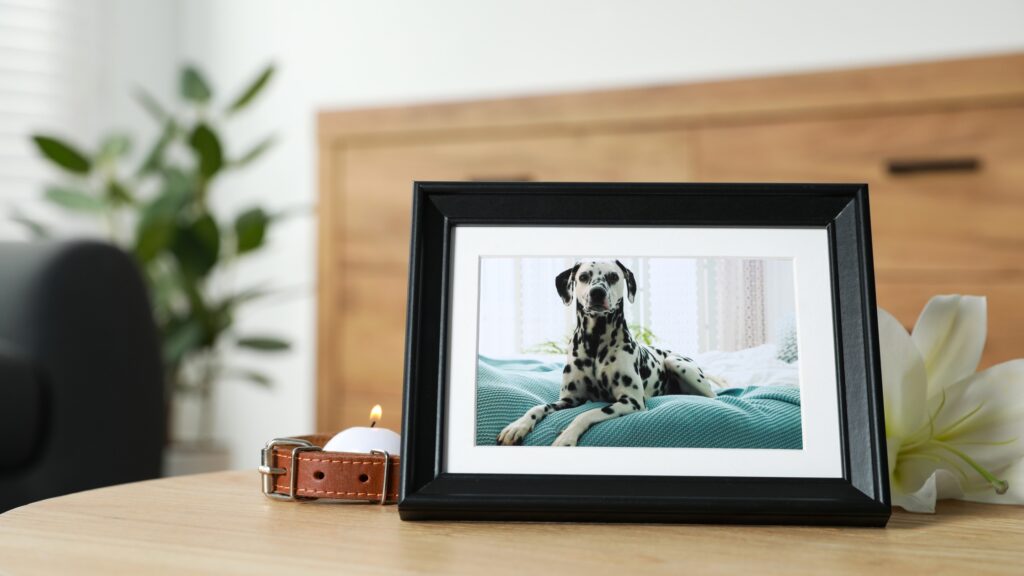
Creating meaning after loss can be a turning point. Consider:
- A memory box
- A framed photo or paw print or any keepsake
- Planting a tree or flowers in their honor
- A donation to a rescue in your pet’s name
- A personal ritual on their birthday or adoption date
There is no a “right” timeline. You heal at your own pace.
How Two by Two Pet Support Helps Families Through Loss

Grief often begins before the loss — when your pet is sick, injured, or in crisis. Our team provides steadfast, compassionate support during these moments, helping families navigate both the practical and emotional challenges.
Why families choose us:
- Gentle, respectful transport for pets in crisis or end-of-life
- Intimate in-home euthanasia for a peaceful, personal farewell. This service allows families to honor the bond with their pet in a private, controlled environment, creating a meaningful and lasting memory. Being at home helps manage emotions more effectively, offers dignity, and supports a positive closure that celebrates your pet’s life.
- Aftercare coordination with clinics, crematoriums, or home-euthanasia providers
- Discretion and dignity in every step
- 24/7 emergency availability
- Staff who understand pet loss deeply, guiding families with empathy, expertise, and respect
With Two by Two Pet Support, families can focus on saying goodbye in a way that truly honors the unique bond they shared with their pet, while we handle the logistics and emotional support professionally and compassionately. Knowing that you were able to give your very best, to be fully present, and to make your pet’s final moments peaceful and dignified through an intimate, attentive service can greatly aid emotional healing. This thoughtful, personal farewell helps manage the grief and the sense of emptiness that often follows in the months after loss, allowing pet owners to face the memories and the “void” of their pet’s absence with a sense of closure, gratitude, and enduring connection.