Cats are masters of adaptation. They hide discomfort instinctively, adjust their behavior quietly, and often age with a subtlety that makes it easy to miss early warning signs. Because of this, senior cats require a very different approach to care—one that prioritizes observation, prevention, and quality of life over reactive treatment.
Veterinary research and clinical experience, including guidance similar to that shared by VCA Hospitals, consistently emphasize that aging cats are not simply “older adults.” They are individuals undergoing physiological, metabolic, and emotional changes that deserve thoughtful, proactive support.
Understanding these changes is essential—not only to extend life, but to protect comfort, dignity, and emotional well-being, especially as cats approach their later years.
When Is a Cat Considered “Senior”?
Most veterinarians classify cats as:
- Mature: 7–10 years
- Senior: 11–14 years
- Geriatric: 15+ years
However, aging is not purely chronological. A 10-year-old cat with chronic kidney disease may have very different needs than a healthy 15-year-old cat. Senior care is therefore about functional age, not just numbers.
This is where many caregivers unknowingly fall behind—waiting for visible symptoms rather than adjusting care early.
Why Senior Cats Need a Different Care Strategy
As cats age, several biological systems begin to change simultaneously:
- Metabolism slows, altering nutritional needs
- Kidney and liver function gradually decline
- Immune response becomes less efficient
- Muscle mass decreases, even with stable weight
- Cognitive and sensory perception may shift
According to feline geriatric studies published in Journal of Feline Medicine and Surgery, many age-related diseases progress silently for years before outward symptoms appear. By the time a cat “acts sick,” the condition may already be advanced.
This reality underscores the importance of anticipatory care—adjusting routines, environments, and medical monitoring before crisis occurs.
The Challenge: Cats Hide Pain and Illness
Unlike dogs, cats rarely vocalize discomfort. Pain and stress often show up as subtle behavioral changes rather than obvious distress.
Common but often overlooked signs include:
- Reduced grooming or over-grooming
- Changes in litter box habits
- Sleeping in unusual locations
- Decreased social interaction
- Subtle weight loss or muscle wasting
- Changes in appetite or water intake
These behaviors are frequently misinterpreted as “normal aging,” when in fact they may indicate treatable—or manageable—conditions.
Nutrition and Hydration in Senior Cats
Nutrition plays a central role in senior cat health, but it must be tailored carefully.
As cats age:
- Protein needs often remain high to preserve muscle
- Phosphorus may need to be reduced for kidney support
- Omega-3 fatty acids can help reduce inflammation
- Moisture intake becomes increasingly important
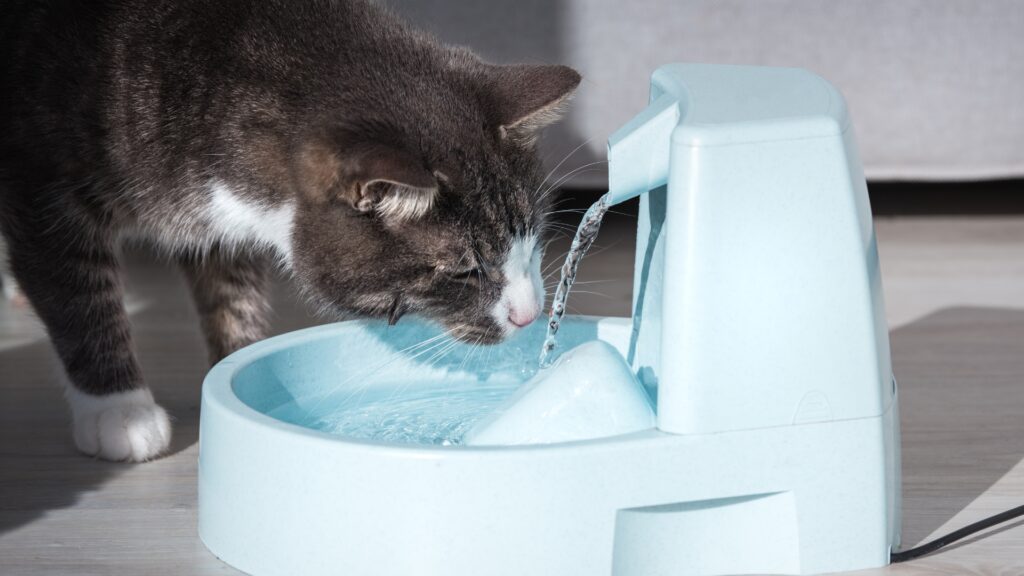
Dehydration is one of the most common hidden issues in older cats. Many senior cats benefit from wet food diets, water fountains, or supplemental hydration strategies recommended by a veterinarian.
The goal is not dietary perfection, but supporting organ function while maintaining enjoyment of food—a critical quality-of-life marker in cats.
See out article: Helping Our Senior Cats Age Gracefully
Mobility, Arthritis, and Environmental Adaptation
Arthritis is extremely common in senior cats, yet dramatically underdiagnosed. Research published in Frontiers in Veterinary Science estimates that more than 60% of cats over age 12 show signs of degenerative joint disease.
Cats with arthritis may:
- Stop jumping to favorite spots
- Hesitate before climbing
- Miss the litter box
- Appear “less playful”
Environmental modifications can dramatically improve comfort:
- Lower litter boxes with easy entry
- Ramps or steps to favorite resting places
- Soft, warm bedding
- Non-slip surfaces
Pain management does not always require aggressive medication. Often, comfort-focused strategies significantly reduce stress and improve daily life.
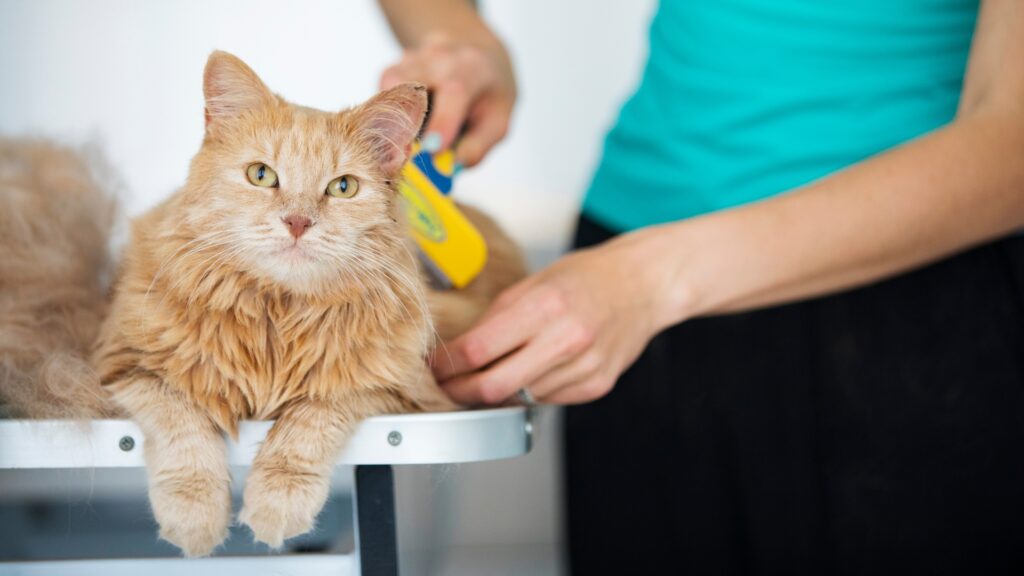
Emotional Well-Being Matters More Than Ever
Senior cats are deeply attached to routine. Changes that seem minor to humans—new furniture, schedule shifts, frequent vet visits—can be profoundly stressful.
Chronic stress increases cortisol levels, which negatively affect immune function, digestion, and pain perception. Studies in Applied Animal Behaviour Science confirm that predictable routines and familiar environments help regulate stress hormones in aging cats.
This is why many families begin to explore in-home support services as cats age—reducing unnecessary travel and allowing care to happen in a safe, familiar space.
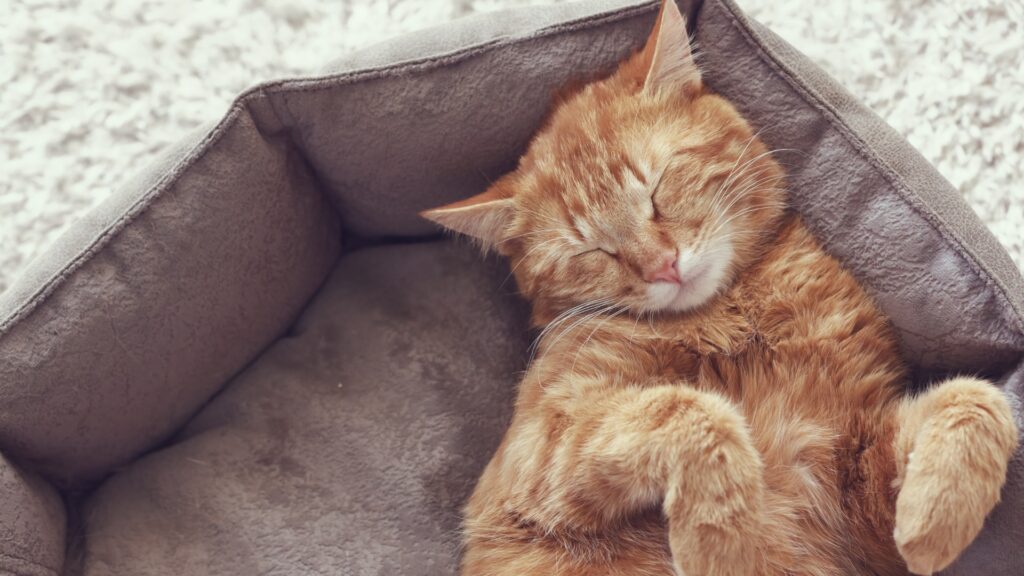
When Medical Care Shifts from Curative to Supportive
There comes a point in many senior cats’ lives when treatment is no longer about curing disease, but about managing comfort and preserving dignity.
This transition does not mean “giving up.”
It means changing priorities.
Conditions such as:
- Chronic kidney disease
- Hyperthyroidism
- Cancer
- Cognitive decline
- Advanced arthritis
can often be managed with a palliative approach, focusing on symptom relief rather than invasive intervention.
The Role of Pet Hospice Care for Senior Cats
Pet hospice care is designed for this exact phase of life.
At Two by Two Pet Support, hospice care focuses on:
- Pain and symptom management
- Emotional calm and routine preservation
- Gentle monitoring of quality of life
- Support for families navigating complex decisions
Hospice care allows senior cats to remain at home, surrounded by familiar smells, sounds, and people—reducing fear and stress while supporting comfort.
You can learn more about our approach here:
👉 https://twobytwopetsupport.com/pet-hospice-care-services/
Importantly, hospice care does not exclude euthanasia—but it ensures that decisions are made thoughtfully, with clarity rather than urgency.
Quality of Life: The Most Important Metric
Veterinary quality-of-life scales emphasize factors such as:
- Comfort
- Appetite
- Mobility
- Social engagement
- Emotional state
These indicators often matter more than lab values alone. A cat with chronic disease may still have a good quality of life if discomfort is controlled and routines are preserved.
This perspective empowers families to focus on how their cat is living, not just how long.
See out article: Wellness Testing for Senior Cats
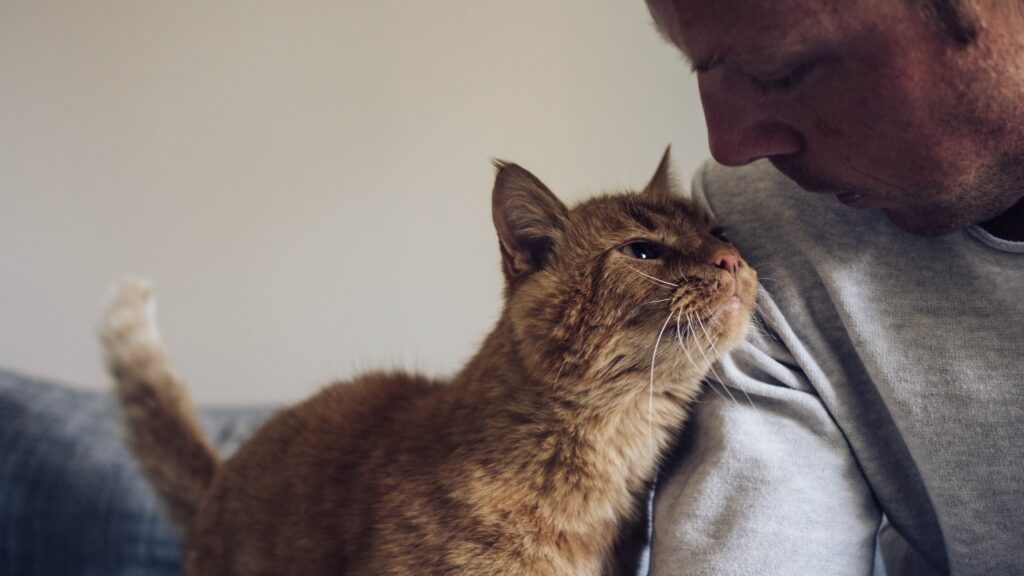
Supporting the Caregiver, Too
Caring for a senior cat is emotionally complex. Anticipatory grief—the awareness that time is limited—can weigh heavily on families.
Studies published in Anthrozoös show that caregivers who feel informed, supported, and involved in comfort-focused care experience healthier emotional processing both before and after loss.
This is why hospice care supports not only the animal, but the human–animal bond itself.
Final Thoughts: Aging Is Not a Failure
Aging is not a medical problem—it is a life stage.
With thoughtful adjustments, proactive monitoring, and compassionate support, senior cats can experience comfort, security, and connection well into their later years.
The goal is not to fight time, but to honor it wisely.