

When dogs reach their senior years, health monitoring often becomes synonymous with blood tests. While bloodwork is undeniably important, it tells only part of the story. Senior dogs age in complex, interconnected ways that cannot be fully understood through lab values alone.
As discussed in Senior Dog Care: Recognizing Change, Supporting Comfort, and Preserving Quality of Life and Helping Our Senior Dogs Stay Comfortable and Engaged as They Age, aging in dogs affects mobility, emotional regulation, behavior, and daily function—sometimes long before abnormalities appear on a lab report.
Wellness monitoring for senior dogs must therefore look beyond bloodwork, integrating physical observation, behavioral insight, emotional well-being, and quality-of-life trends into a unified, compassionate approach.
What Wellness Monitoring Really Means for Senior Dogs
Wellness monitoring is not about searching for disease at all costs. It is about tracking change over time, recognizing patterns, and responding early in ways that preserve comfort and dignity.
Veterinary geriatric research published in Veterinary Clinics of North America emphasizes that senior wellness is best assessed through a combination of:
- clinical data
- functional assessment
- behavioral observation
- caregiver insight
Bloodwork is a tool—not a verdict.
The Limits of Bloodwork Alone
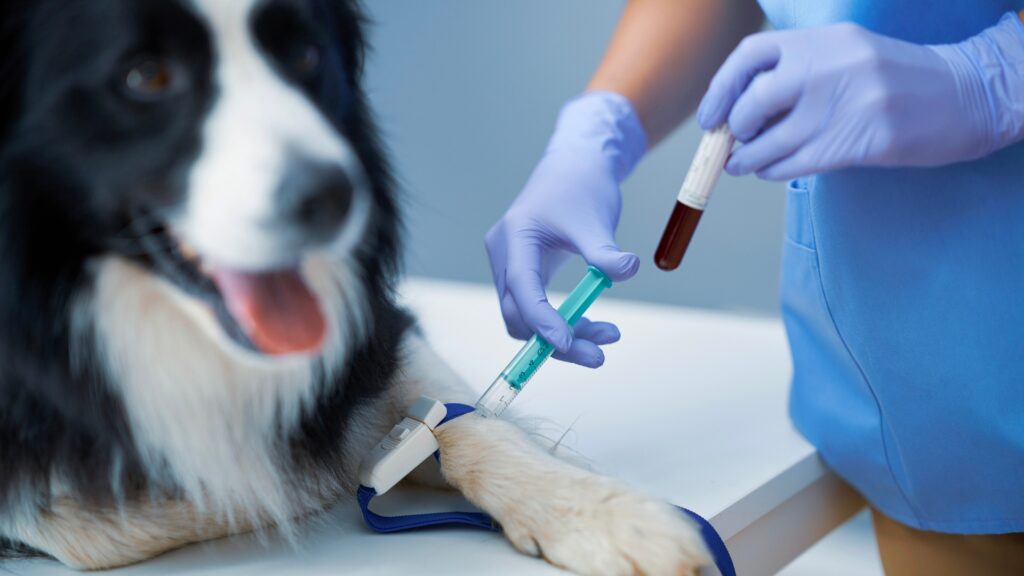
Blood tests provide valuable information about organ function, inflammation, metabolic balance, and endocrine health. They are essential for identifying conditions such as kidney disease, liver dysfunction, diabetes, and thyroid disorders.
However, many of the most impactful age-related changes in dogs are functional, not biochemical.
Dogs may experience:
- chronic pain
- reduced mobility
- cognitive changes
- anxiety or emotional withdrawal
long before blood values shift outside reference ranges.
Research in Journal of Veterinary Behavior highlights that dogs with chronic pain often show normal bloodwork despite significant discomfort, reinforcing the need for broader assessment.
Mobility and Gait: A Primary Wellness Indicator
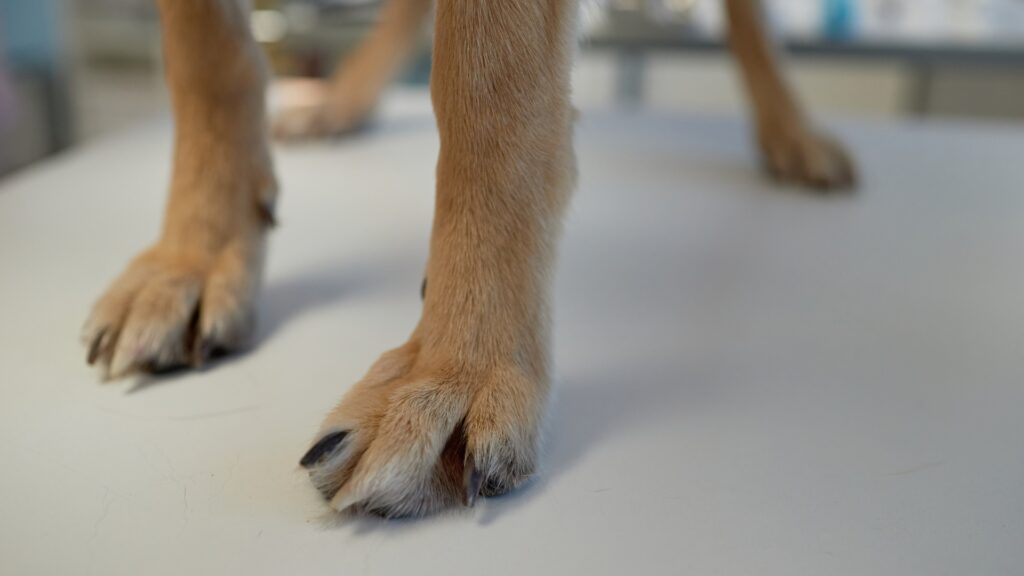
Movement is one of the clearest indicators of well-being in dogs.
Subtle changes in gait, posture, or willingness to move often precede measurable disease. Studies published in Frontiers in Veterinary Science estimate that more than 70% of senior dogs experience degenerative joint disease, yet many remain undiagnosed due to gradual onset and behavioral compensation.
Key indicators to monitor include:
- difficulty rising or lying down
- stiffness after rest
- shortened stride length
- reluctance to climb stairs or jump
- shifting weight between limbs
Mobility monitoring provides real-time insight into comfort and quality of life that no lab test can replicate.
Pain Assessment: Listening to What Dogs Don’t Say
Dogs are remarkably tolerant of discomfort. Pain is often expressed indirectly through changes in behavior rather than vocalization.
Veterinary pain research shows that chronic pain elevates cortisol levels, contributing to fatigue, irritability, immune suppression, and decreased engagement (Physiology & Behavior).
Indicators of pain-related distress may include:
- decreased interest in walks or play
- changes in sleep patterns
- increased irritability or anxiety
- altered posture
- withdrawal from interaction
Monitoring pain trends over time allows for earlier, gentler intervention—often improving both physical comfort and emotional well-being.

Cognitive and Sensory Changes
Senior dogs may experience cognitive decline similar to dementia in humans. Canine Cognitive Dysfunction (CCD) affects memory, orientation, sleep-wake cycles, and social interaction.
Research published in Journal of Veterinary Internal Medicine indicates that early signs of cognitive decline often go unnoticed, as they are mistaken for “normal aging.”
Signs to monitor include:
- disorientation
- altered sleep patterns
- increased anxiety
- decreased responsiveness
- changes in social behavior
Early recognition allows families to implement environmental and routine-based support that can significantly reduce stress and confusion.
Pic5

Appetite, Weight, and Muscle Condition
Weight alone is a misleading metric in senior dogs. Many dogs lose muscle mass while maintaining or gaining fat—a condition known as sarcopenia.
Veterinary studies in Journal of the American Veterinary Medical Association stress the importance of monitoring muscle condition score, not just body weight.
Wellness monitoring should track:
- appetite consistency
- muscle tone
- body condition
- energy levels
These indicators provide valuable insight into nutritional adequacy, pain levels, and overall resilience.
Emotional Well-Being as a Health Marker
Emotional health is not secondary—it is central.
Senior dogs often become more sensitive to stress, changes in routine, and caregiver absence. Chronic stress negatively affects pain perception, digestion, immunity, and sleep.
Studies in Applied Animal Behaviour Science confirm that emotionally secure dogs exhibit more stable stress hormone regulation, even in the presence of chronic illness.
Wellness monitoring must therefore include:
- behavioral consistency
- stress responses
- attachment behaviors
- tolerance for change
This holistic view allows care decisions to support both body and mind.
Environmental and Routine Assessment
A senior dog’s environment plays a crucial role in wellness.
Slippery floors, stairs, temperature changes, or inconsistent routines can significantly affect comfort. Environmental assessment—often overlooked in clinical settings—is a powerful wellness tool.
Small adjustments can yield large improvements:
- non-slip surfaces
- orthopedic bedding
- predictable schedules
- reduced sensory overload
Monitoring how a dog interacts with their environment provides insight that bloodwork cannot.
When Wellness Monitoring Shifts Toward Supportive Care
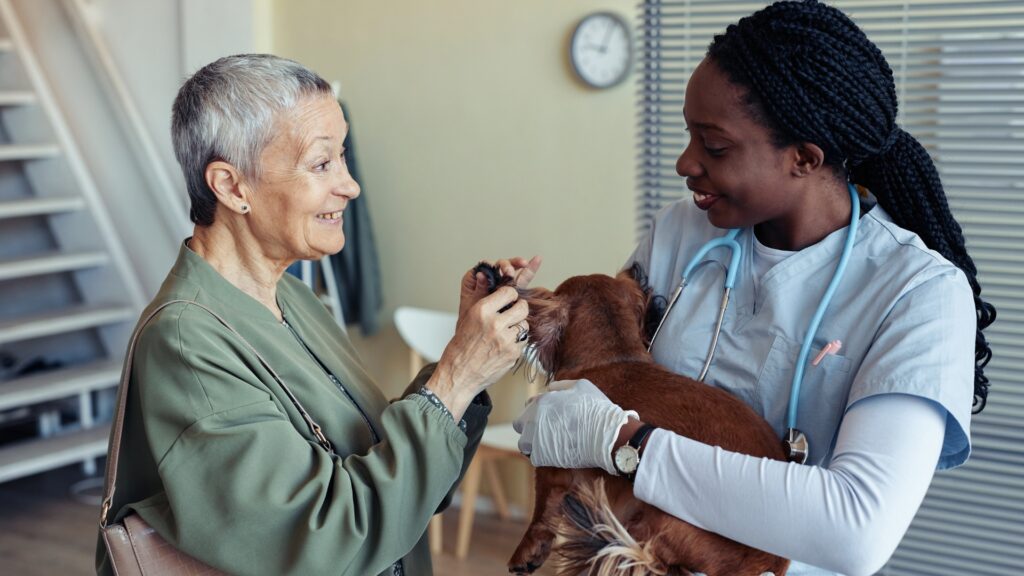
As discussed in Helping Our Senior Dogs Stay Comfortable and Engaged as They Age, there may come a time when the goal of care transitions from diagnosis to comfort.
When monitoring reveals:
- increasing pain despite treatment
- declining engagement
- mounting stress from interventions
supportive or palliative care becomes the most compassionate option.
The Role of Pet Hospice in Wellness Monitoring
Pet hospice care integrates seamlessly with wellness monitoring by reframing data as guidance rather than urgency.
At Two by Two Pet Support, hospice care for senior dogs focuses on:
- comfort-centered interpretation of health changes
- minimizing invasive testing
- prioritizing emotional calm
- supporting families through informed decision-making
Hospice care does not replace monitoring—it changes its purpose, using information to protect quality of life rather than chase correction.
Learn more about our hospice services here:
👉 https://twobytwopetsupport.com/pet-hospice-care-services/
Supporting the Caregiver Through Awareness
Wellness monitoring empowers families. Knowledge replaces fear. Patterns replace panic.
Research published in Anthrozoös shows that caregivers who understand health trends experience less anxiety and greater confidence in their decisions, especially as dogs approach later life stages.
Wellness monitoring becomes a shared language between dog and caregiver.

Redefining Health in the Senior Years
Health in senior dogs is not the absence of disease.
It is the presence of comfort, engagement, and emotional security.
Looking beyond bloodwork allows families and professionals to care more wisely, gently, and humanely.