Cats age quietly. As discussed in our previous articles—Senior Cat Care: Special Considerations for Health, Comfort, and Quality of Life and Helping Our Senior Cats Age Gracefully—aging in cats is often subtle, progressive, and easily overlooked. This is precisely why wellness testing becomes one of the most important tools in senior cat care.
Wellness testing is not about looking for problems.
It is about listening to the body before it has to shout.
For senior cats, proactive testing allows veterinarians and families to anticipate change, reduce suffering, and make thoughtful decisions grounded in clarity rather than crisis.
What Is Wellness Testing for Senior Cats?
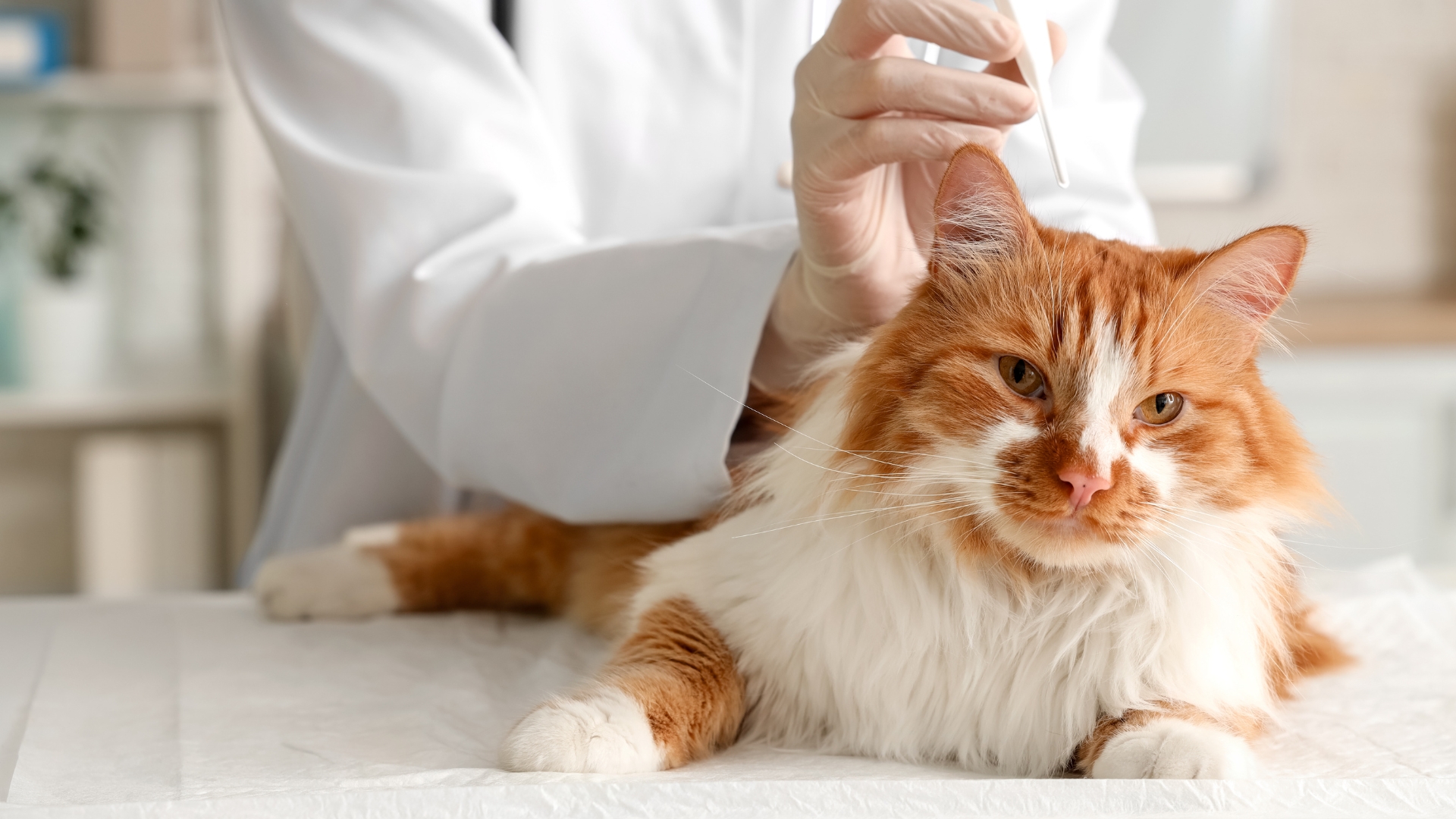
Wellness testing refers to a set of routine diagnostic evaluations designed to monitor internal health trends over time. In senior cats, these tests help identify early changes in organ function, metabolism, and systemic balance—often months or years before clinical symptoms appear.
Veterinary geriatric studies published in Journal of Feline Medicine and Surgery consistently show that early detection through routine testing improves both longevity and quality of life in aging cats.
Wellness testing is not about treating numbers.
It is about understanding patterns.
Why Testing Matters More as Cats Age
Cats are experts at compensating. They can maintain normal behavior even when significant disease is present. By the time visible symptoms emerge, conditions such as kidney disease, hyperthyroidism, diabetes, or cancer may already be advanced.
According to data referenced by VCA Hospitals, more than half of senior cats have at least one underlying medical condition that goes undiagnosed without routine screening.
Wellness testing allows caregivers to:
- detect disease early
- slow progression through supportive care
- adjust nutrition and environment proactively
- reduce emergency interventions
- preserve comfort and dignity
Core Components of Senior Cat Wellness Testing
Bloodwork: Seeing Beneath the Surface
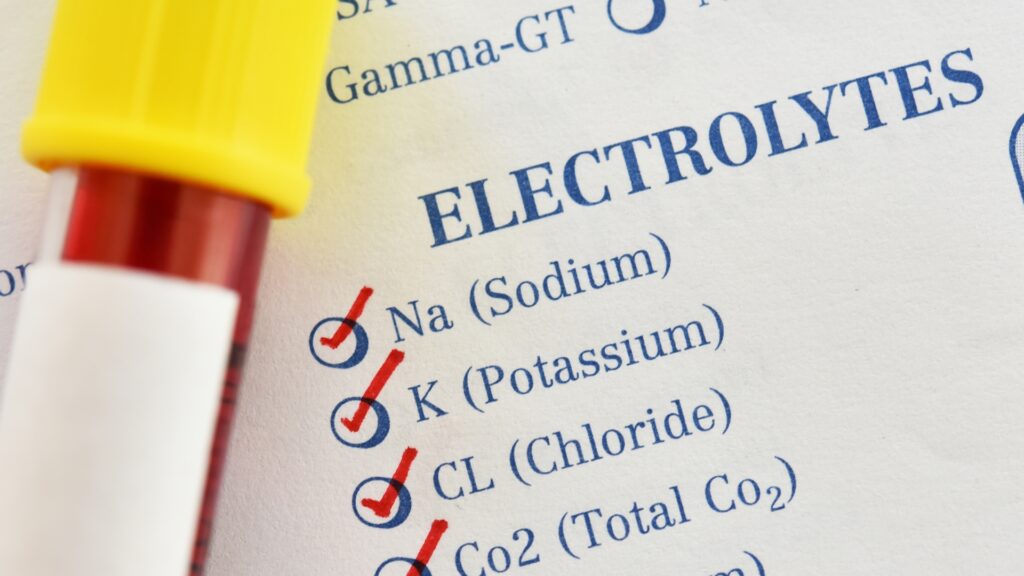
Routine blood panels provide insight into:
- kidney and liver function
- blood glucose regulation
- electrolyte balance
- inflammatory markers
- thyroid hormone levels
Chronic kidney disease, one of the most common conditions in senior cats, often shows subtle blood value changes long before outward signs appear. Studies in Veterinary Clinics of North America confirm that early dietary and hydration adjustments significantly slow disease progression when identified early.
Urinalysis: The Missing Half of the Picture
Bloodwork alone is incomplete without urinalysis.
Urine testing helps evaluate:
- kidney concentrating ability
- hydration status
- early urinary tract disease
- protein loss
Veterinary research emphasizes that changes in urine concentration often precede blood abnormalities in kidney disease (Journal of Feline Medicine and Surgery).
Blood Pressure Monitoring
Hypertension is frequently overlooked in cats, yet it can cause:
- vision loss
- kidney damage
- neurological changes
According to Frontiers in Veterinary Science, up to 30% of senior cats suffer from undiagnosed high blood pressure. Regular monitoring allows for early intervention that can prevent irreversible damage.
Weight and Muscle Condition Tracking
A stable weight does not always mean a healthy cat.
Senior cats often lose muscle mass while maintaining or even gaining fat. This condition, known as sarcopenia, is associated with decreased mobility, weakness, and reduced resilience.
Routine muscle condition scoring—recommended in Journal of the American Veterinary Medical Association—helps distinguish healthy aging from silent decline.
Wellness Testing Is Also About Emotional Well-Being
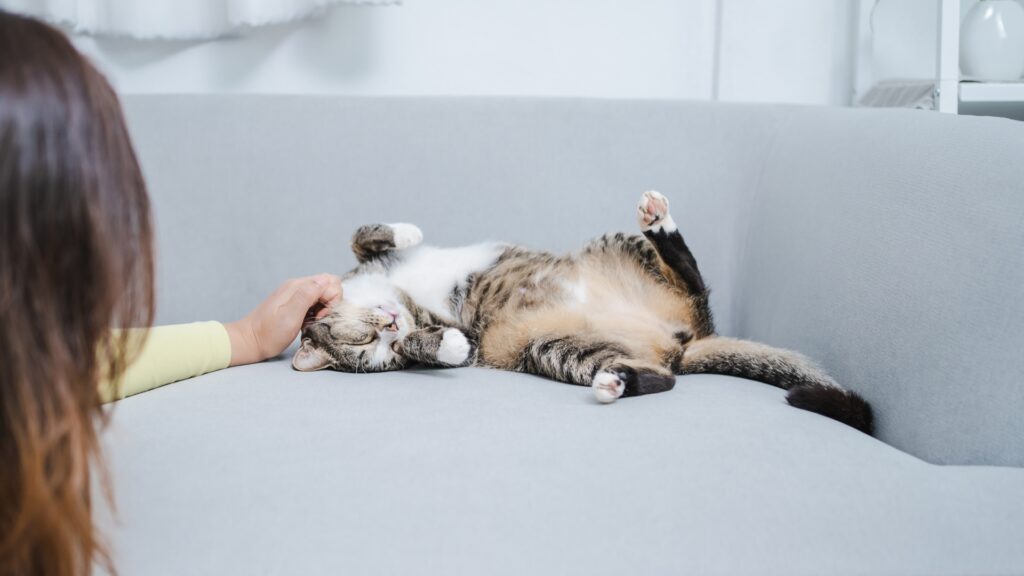
Medical data does not exist in isolation. Stress plays a powerful role in how cats age and respond to disease.
Repeated clinic visits, invasive testing, and unfamiliar environments can elevate cortisol levels, which negatively affect immune function and pain perception (Physiology & Behavior).
This is why many families begin to explore in-home care options and supportive services as cats age—minimizing stress while maintaining continuity of monitoring.
How Wellness Testing Supports Graceful Aging
As explored in Helping Our Senior Cats Age Gracefully, graceful aging is about maintaining balance across physical comfort, emotional security, and routine.
Wellness testing supports this by:
- allowing gradual, low-impact interventions
- avoiding last-minute emergency decisions
- guiding nutrition and hydration strategies
- supporting mobility and pain management
- helping families prepare emotionally
Testing becomes a map, not a verdict.
When Wellness Testing Leads to Supportive or Hospice Care
There may come a time when test results indicate that disease progression is no longer reversible. This does not mean care ends—it means care evolves.
Pet hospice care becomes an essential part of this phase.
At Two by Two Pet Support, hospice care integrates seamlessly with wellness monitoring by focusing on:
- comfort-first decision-making
- symptom management rather than cure
- emotional calm and routine preservation
- guidance for families navigating uncertainty
Hospice care allows families to use wellness data not as a source of fear, but as a tool for informed compassion.
You can learn more about our approach here:
👉 https://twobytwopetsupport.com/pet-hospice-care-services/
Redefining “Good Care” in the Senior Years
Good care for senior cats is not about doing everything possible.
It is about doing what is appropriate, gentle, and meaningful.
Wellness testing helps families avoid two extremes:
- ignoring silent disease
- over-treating at the expense of comfort
Veterinary ethics literature emphasizes that quality of life—not intervention intensity—should guide senior care decisions (Veterinary Record).
Supporting the Caregiver Through Knowledge
Knowledge reduces fear.
Studies published in Anthrozoös show that caregivers who understand their pet’s medical trajectory experience less anxiety, more confidence, and healthier grief processing later on (Adams et al., 2000).
Wellness testing empowers families to participate actively in care, rather than reacting emotionally to crisis.
Final Thoughts: Testing as an Act of Love
Wellness testing is not about finding something wrong.
It is about protecting what is still right.
For senior cats, early awareness creates space—for comfort, for planning, for presence, and for dignity.
When paired with compassionate support and, when appropriate, hospice care, wellness testing becomes one of the most loving choices a family can make.