
Saying goodbye to a beloved pet is one of the hardest parts of sharing life with them. While veterinary clinics provide compassionate care, many families are choosing in-home euthanasia because it can be gentler for both pets and people. If you’re weighing your options, here are the key benefits of helping your pet pass at home, along with what to expect and how to prepare.
Comfort over stress

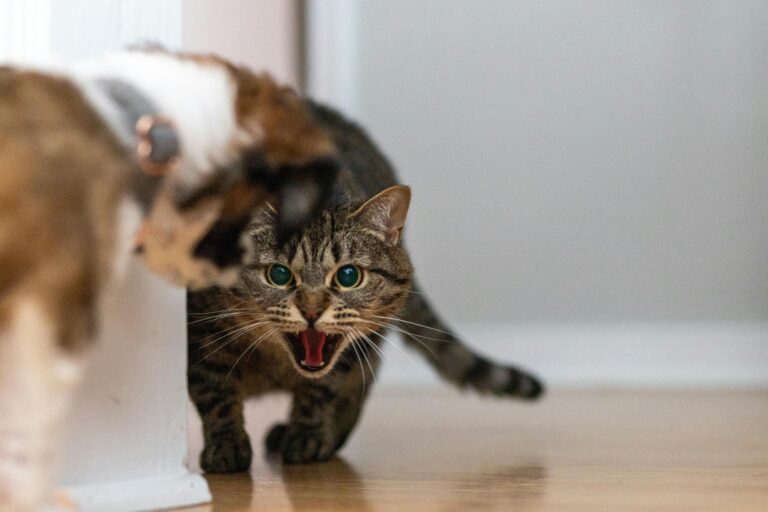
Car rides, waiting rooms, unfamiliar smells, and new sounds can be scary—especially for seniors, pets in pain, or those who get anxious at the clinic. At home, your pet can stay on their favorite blanket, in their sunny spot by the window, or curled up on your lap. Familiar scents and routines make a difference; comfort often replaces fear.
A goodbye on your terms
Home visits allow for more control over timing and setting. You can dim the lights, play soft music, light a candle, or invite loved ones to gather. There’s no rush to clear an exam room or navigate a busy lobby. Your family can move at a natural pace—sharing stories, taking photos, or simply sitting quietly together.
Privacy and space for emotions

Grief is personal. At home, you’re free to cry, laugh, and hold your pet without worrying about who might be watching. Children can participate in ways that feel appropriate, and other pets can say goodbye too. Many families find that other pets understand and adjust better when they witness a calm passing at home.
A calmer experience for your pet
Most in-home visits begin with a gentle sedative so your pet relaxes and drifts into a comfortable sleep before the final medication is given. Being surrounded by familiar people and places often means less tension in those final moments—and more peace for everyone.
More thoughtful rituals
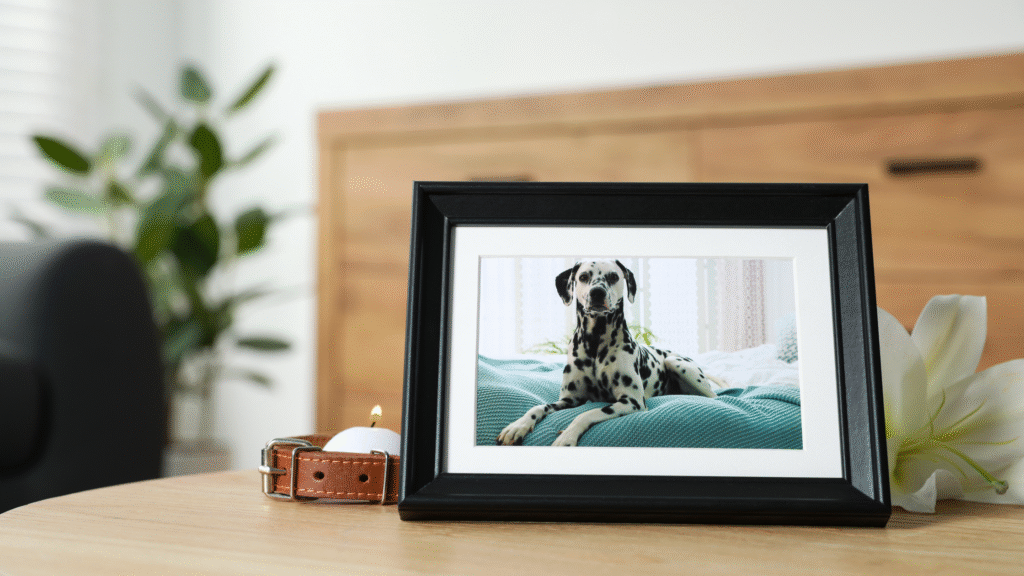
You can create a small ritual that honors your pet: a paw print, a lock of fur, reading a short note, or playing a favorite song. Some families choose to sit together for a few extra minutes afterward, which can be grounding and healing.
Flexible aftercare options

Your veterinarian can guide you through aftercare choices—such as private or communal cremation or burial—handle the logistics, and return keepsakes (like an urn or paw print) if you wish. Having these steps coordinated for you helps reduce stress during an emotional time.
What an in-home visit typically looks like
- A brief phone consultation to discuss your pet’s condition, medications, and any special requests.
- On arrival, your vet will review the process and answer questions.
- A calming sedative is administered; your pet becomes relaxed or falls asleep in a few minutes.
- When you’re ready, the final medication is given peacefully.
- You spend as much time as you need. Aftercare arrangements are completed according to your wishes.
How to prepare your space

- Choose a comfortable spot with enough room for you to be close—couch, bed, or favorite rug.
- Gather a blanket or bed your pet loves.
- Have water, tissues, and any keepsake items (paw-print kit, candle, music) ready.
- Keep other pets nearby if you want them present before or after.
- Arrange parking or entry details for the veterinary team.
Common questions
Is it more expensive than a clinic visit?
In-home services may cost more due to travel time and extended appointment length, but many families feel the comfort and privacy are worth it.
Will my pet feel pain?
Your vet’s goal is a peaceful, pain-free passing. Sedation and gentle handling are used to ensure comfort at every step.
What if I’m not sure it’s time?
Reach out to your veterinarian to discuss quality-of-life signs: pain, appetite, mobility, breathing, and joy in daily activities. You don’t have to decide alone.
Can my children be there?
Yes, if you feel it’s right for your family. Many parents find that a calm, loving goodbye helps children process grief in a healthy way.
When a clinic may still be best
In urgent emergencies or when home access is difficult, a clinic can be the fastest, safest option. Your vet can advise on the setting that best protects your pet’s comfort and dignity.
You’re not alone
Grief doesn’t end when the appointment does. Consider a pet loss support group, a trusted counselor, or a memorial ritual that feels meaningful to you. Give yourself permission to feel whatever you feel—love and loss are two sides of the same bond.
If you’re considering in-home euthanasia, a conversation with a compassionate veterinary team can help you decide what’s best for your pet and your family. Whatever you choose, the goal is the same: a peaceful, loving goodbye for a life well lived.