Protecting Your Pets from Orthopedic Problems
Dogs and cats are beloved companions to many but are not immune to physical ailments. Taking preventative measures to prevent cat and dog orthopedic problems is a vital part of keeping them healthy. This includes regular exercise to maintain muscle strength and joint flexibility, a healthy diet to maintain a healthy weight and provide crucial nutrients, and a safe environment to prevent accidents and injuries. Additionally, keeping up with regular veterinary visits can help catch any potential problems early on and allow for timely treatment. At Two by Two, our plan is to create a culture to educate pet owners to increase their quality of life, decrease lameness in dogs and cats, and extend the lifespans of pets.
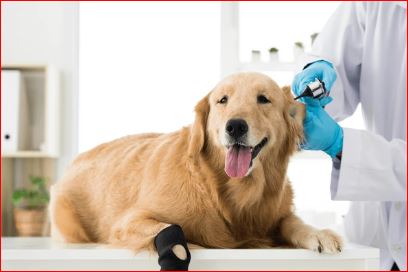
Cat and dog orthopedic problems refer to any condition or disease that affects pets’ bones, joints, muscles, ligaments, or tendons. These problems can cause pain, reduced mobility and lameness in dogs and cats, and can affect pets of any age, breed, or size. Ignoring lameness in dogs and cats is relatable to driving a vehicle with low tire pressure. The question is not if the failure will happen but when. Addressing one issue can lead to more significant problems. For instance, limping on a limb will create compensation and extra stress on the other limbs. In turn, this can lead to additional injury and pain if care is not sought immediately.
Common Cat and Dog Orthopedic Problems
- Trauma or injury: Dogs can get injured due to accidents, falls, or fights with other animals, resulting in limping or favoring a limb.
- Hip/elbow dysplasia: This genetic condition affects the hip or elbow joint and can cause pain, stiffness, and lameness.
- Osteoarthritis: A degenerative joint disease that can cause pain, stiffness, and reduced mobility in pets. It is most common in older pets but may also affect younger animals.
- Cruciate ligament injuries: The cruciate ligaments are two bands of tissue in the knee joint that help stabilize the joint. Damage to these ligaments can cause pain, instability, and lameness. This is a common injury in athletes as well.
- Patellar luxation: This is a condition where the kneecap slides out of place, causing lameness and discomfort.
- Intervertebral disc disease (IVDD): This condition affects the spinal discs and can cause pain, weakness, and paralysis in pets.
- Elbow dysplasia: This genetic condition affects the elbow joint and can cause pain, stiffness, and lameness.
- Bone fractures: Fractures of the bones can be caused by trauma, cancer, or injury, resulting in severe pain and reduced mobility.
- Growth plate injuries: Growth plates are areas of developing bone in young animals. Damage to these areas can cause abnormal bone growth and deformity.
- Bone cancer: A harrowing condition leading to swelling and lameness with the potential fracture of the bone.
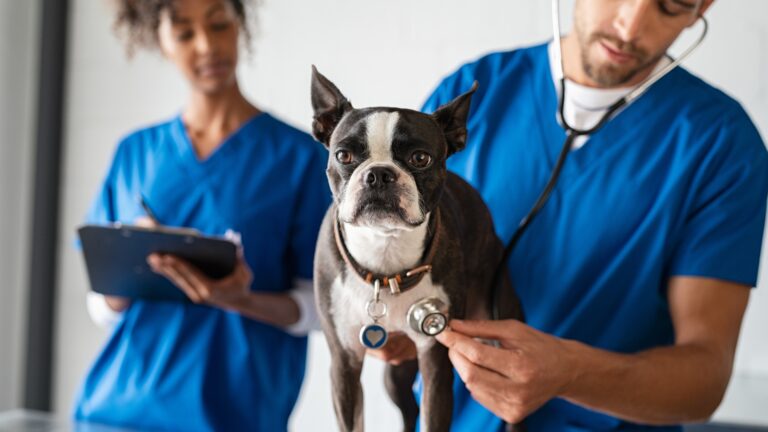
Comprehensive physical exams, radiographs, and routine blood work/urinalysis can help diagnose all the problems listed above and many others. Preventative care measures provide quality and comfort for every pet and can prevent lameness in dogs and cats.
With summer approaching, it is essential to recognize the signs and symptoms that mimic lameness in dogs and cats but may be more serious such as thermal burns of the paws or other orthopedic issues. Please consider that even a 5 to 10-minute walk on a hot surface can lead to thermal burns. This is extremely painful for pets and may not be noticeable for several hours after the initial burn. If you have any questions, please contact your local vet.
By: Dr. Snead