
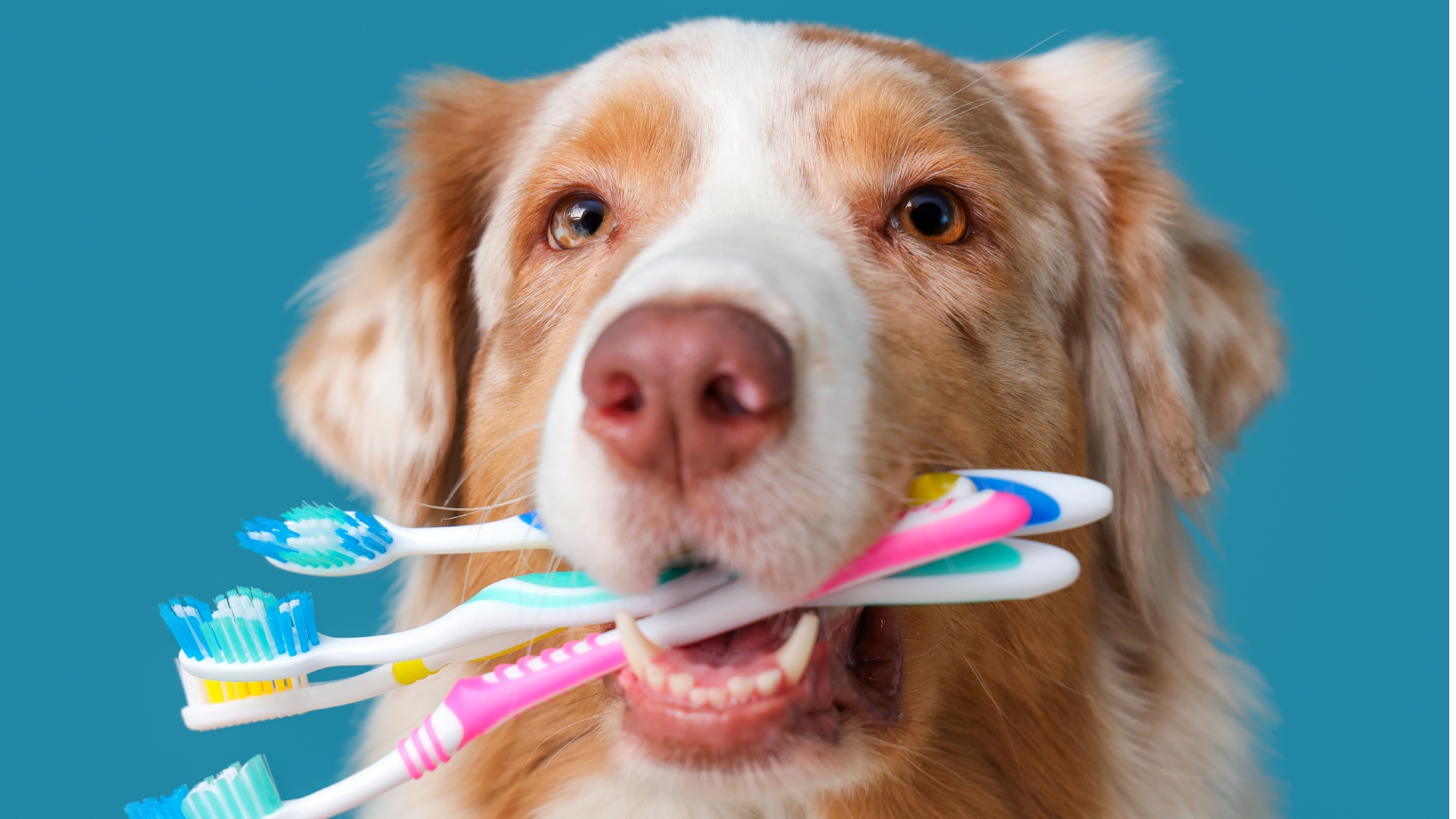
How Dental Care Impacts the Whole Body—From Puppies to Senior Pets
When we think about our pets’ health, we often focus on nutrition, exercise, and regular vet visits. But there’s one critical area that’s frequently overlooked—oral health.
For both dogs and cats, the mouth is not just about teeth and breath. It’s the gateway to the entire body. And when dental care is neglected, it can quietly lead to serious systemic health issues—including heart disease, kidney problems, and chronic inflammation.
At Two by Two Pet Support, we believe that prevention is one of the most powerful forms of care you can offer your pet—especially when it comes to their dental health.
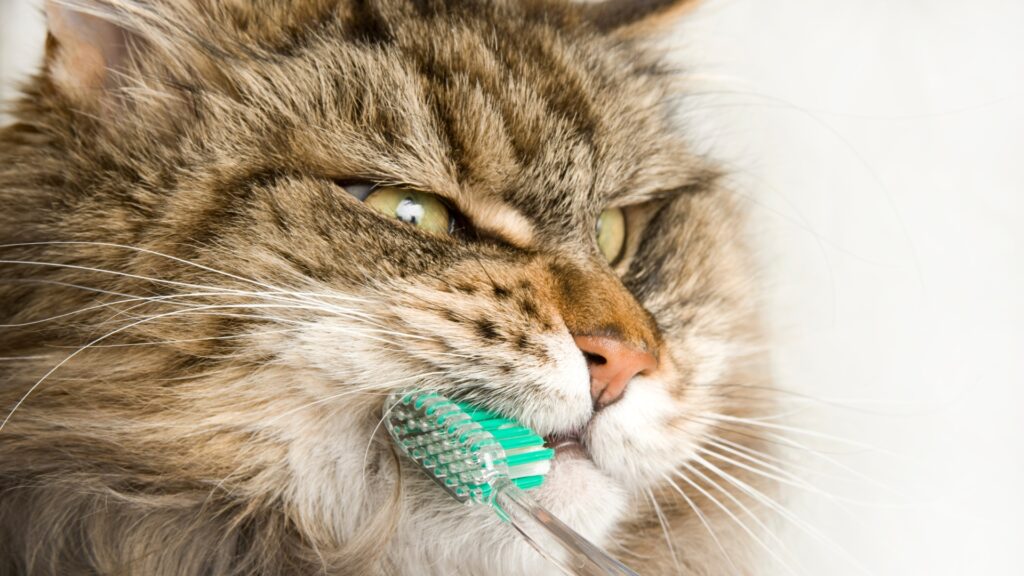
The Mouth-Body Connection: How Bacteria Travel
Just like in humans, pets naturally have bacteria in their mouths. The problem begins when plaque builds up and hardens into tartar, creating the perfect environment for harmful bacteria to thrive.
From there, these bacteria don’t stay in the mouth.
They can enter the bloodstream through inflamed gums—a condition known as periodontal disease—and travel to vital organs.
What can this lead to?
- Heart disease (bacterial endocarditis)
- Kidney damage
- Liver complications
- Chronic systemic inflammation
This is why veterinarians often say:
👉 “A healthy mouth equals a healthier, longer life.”
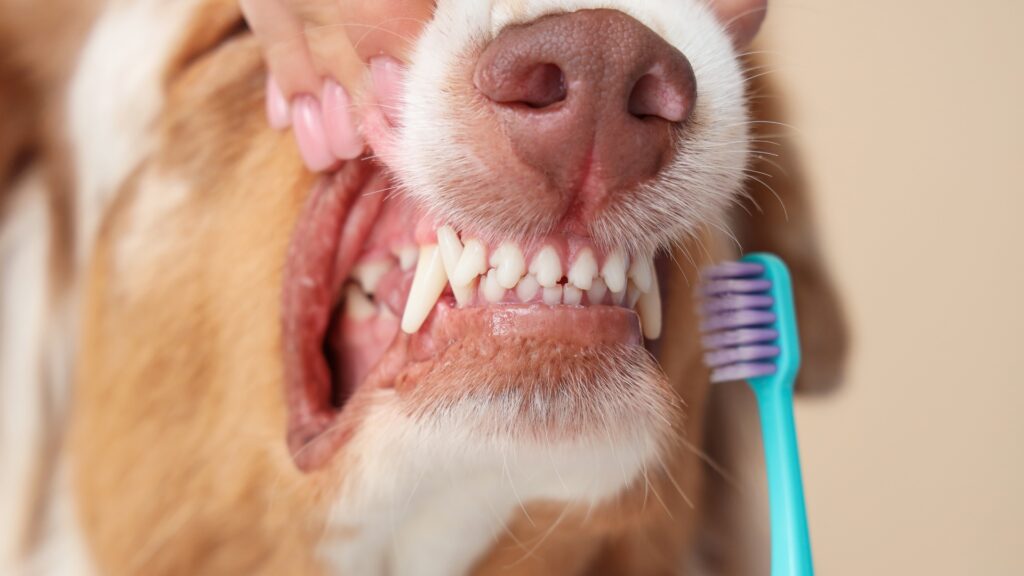
The Role of Diet: Processed Food & Dental Health
Modern pet diets—especially highly processed kibble—can contribute significantly to dental issues.
While some dry foods claim to “clean teeth,” the reality is more nuanced:
- Many kibbles contain starches that break down into sugars
- These sugars feed harmful oral bacteria
- Sticky residues can cling to teeth and gums, accelerating plaque formation
In contrast, diets that include:
- Higher moisture content
- Less processed ingredients
- Dental-supportive textures
…can help reduce bacterial overgrowth.
That said, diet alone is not enough. Even pets on premium nutrition still require active dental care.
Starting Early: Dental Care for Puppies & Kittens
The best time to build healthy dental habits is early in life. Just like training or socialization, dental care should be introduced gradually and positively.
How to condition your pet in 5 Steps:
Start small and keep it stress-free:
Step 1: Touch desensitization
Gently handle your pet’s mouth, lips, and gums daily
Step 2Introduce flavor first
Let them taste pet-safe toothpaste (never human toothpaste)
Step 3: Use your finger before a brush
Transition slowly from finger brushing to a soft toothbrush
Step 4: Keep sessions short
Even 30–60 seconds is enough in the beginning
Step 5: Reward immediately
Positive reinforcement builds long-term acceptance
Consistency matters more than perfection.

Effective Dental Care Methods & Products
In our perspective as Vet and pet owners ourselves, a well-rounded dental routine doesn’t have to be complicated—but it does need to be consistent.
| Method | Description | Key Benefits | Notes |
|---|---|---|---|
| 🪥 Brushing (Gold Standard) | Daily brushing using enzymatic pet toothpaste and soft-bristle or finger brushes | Most effective way to remove plaque and prevent tartar buildup | Requires consistency and gradual training |
| 🦴 Dental Chews | Specially designed chews that help clean teeth through mechanical action | Reduces plaque and tartar while satisfying chewing instincts | Choose VOHC-approved products; avoid overly hard chews that may fracture teeth |
| 💧 Water Additives | Liquid solutions added to your pet’s drinking water | Helps reduce bacteria in the mouth with minimal effort | Ideal for pets resistant to brushing |
| 🧴 Oral Sprays & Gels | Applied directly to teeth and gums | Supports oral hygiene and freshens breath | Good alternative when brushing isn’t possible |
| 🐾 Professional Cleanings | Veterinary dental procedures performed under anesthesia | Removes tartar below the gumline and detects deeper issues | Essential for long-term oral health; frequency depends on the pet |

Prevention = Lower Costs (and Less Stress)
If you are an attentive person when it comes to talk about money, you already know what we are bringing to the table. Many pet parents only think about dental care when there’s a visible problem—bad breath, bleeding gums, or difficulty eating.
But by that point, the issue is often advanced…and so the amount of money you are going too spend for it.
| Cost of Neglect | Benefits of Prevention | |
|---|---|---|
| 💰 Financial Impact | Advanced dental procedures | Lower long-term costs |
| 🦷 Oral Health | Tooth extractions | Healthier teeth and gums |
| 🩺 Medical Needs | Chronic pain management | Fewer vet visits |
| ❤️ Overall Health | Treatment for systemic diseases | Better quality of life |
| 🐾 Pet Comfort | Ongoing discomfort and pain | Less pain and more daily comfort |
Think of dental care not as an expense—but as an investment in your pet’s longevity and comfort.
Signs Your Pet May Have Dental Issues
Keep an eye out for:
- Persistent bad breath
- Red or bleeding gums
- Yellow/brown tartar buildup
- Difficulty chewing or dropping food
- Pawing at the mouth
- Behavioral changes (irritability, lethargy)
If you notice any of these signs, it’s time to consult your veterinarian before it’s too late.

A Compassionate Approach to Care
At Two by Two Pet Support, we understand that every pet is different.
Some may tolerate brushing easily. Others may need a slower, more gentle approach.
What matters most is meeting your pet where they are—and building a routine that supports both their health and their emotional comfort.
Because true care isn’t just about treatment. It’s about prevention, understanding, and respect.