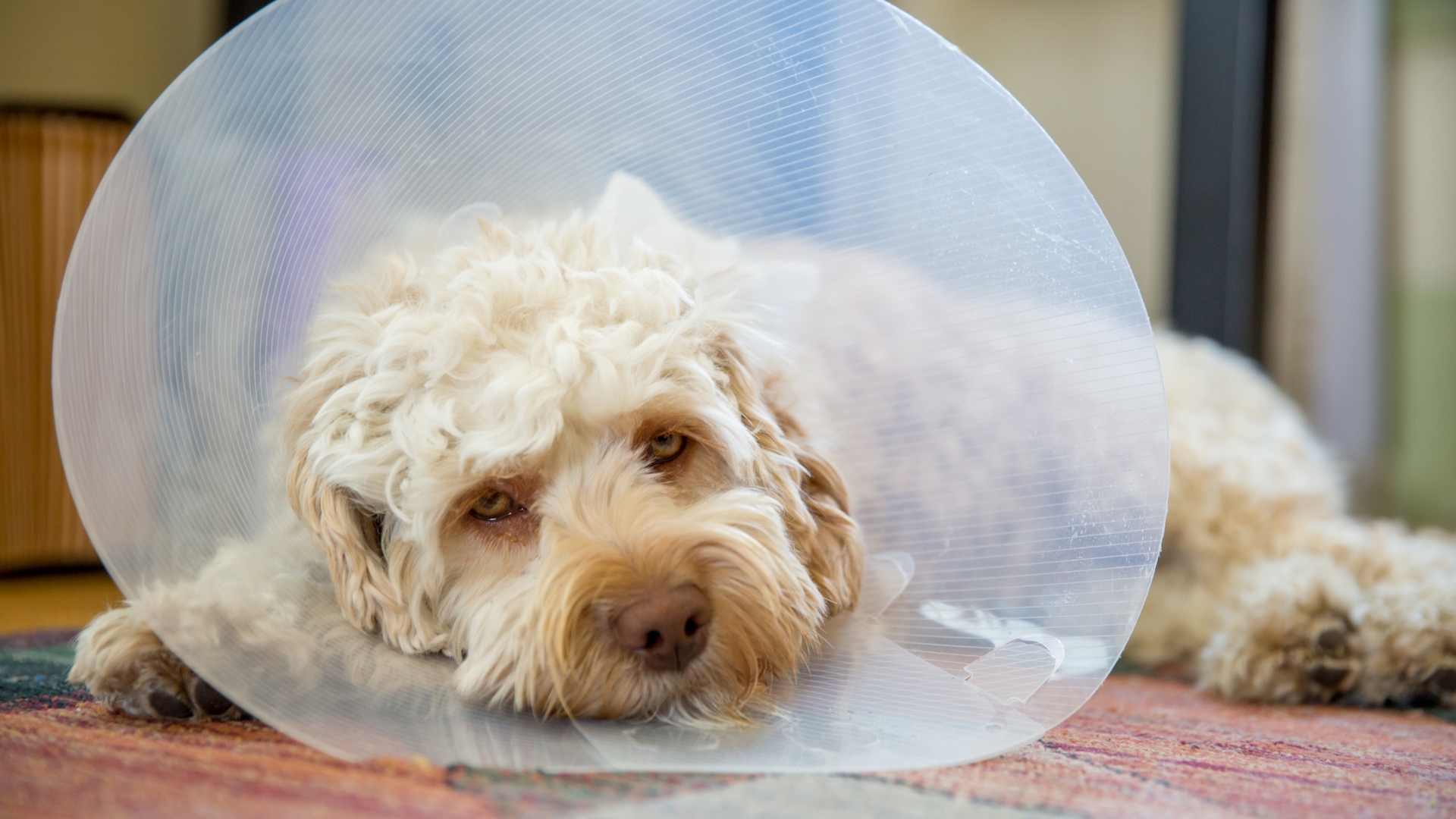
When a pet comes home after surgery, most families focus on one thing above all else: making sure their companion is comfortable.
And rightly so.
Pain after surgery is not just a physical experience. It affects mobility, appetite, sleep, emotional well-being, healing speed, and even the bond between pets and their families. A dog recovering from orthopedic surgery may become withdrawn or frustrated. A cat dealing with chronic discomfort after a procedure may hide, stop grooming, or refuse interaction altogether.
At Two by Two Pet Support, we often speak with families navigating difficult recovery periods, especially after major surgeries, injuries, or age-related procedures. One of the most common questions we hear is:
“Should we rely on medications, physical therapy, or both?”
The truth is that post-surgical pain management is rarely about choosing one or the other. The most compassionate and effective approach is often a thoughtful combination of medical pain control, rehabilitation support, and quality-of-life focused care.
Why Pain Management Matters More Than Many People Realize
Pain that is not properly controlled can slow healing significantly.
When animals experience pain, their bodies release stress hormones that increase inflammation, reduce rest quality, suppress appetite, and interfere with normal movement. Ironically, avoiding movement because of pain can create additional complications such as muscle loss, stiffness, reduced circulation, and delayed recovery.
This becomes especially important after procedures involving:
- Orthopedic surgery
- ACL/CCL repair
- Spinal surgery
- Dental extractions
- Cancer surgery
- Amputations
- Senior pet procedures
- Neurological interventions
Modern veterinary medicine no longer sees pain management as optional comfort care. It is considered a critical part of recovery itself.
Medication: The Foundation of Immediate Pain Relief
For most pets, medication is the first and most necessary line of defense after surgery.
Pain medications help reduce suffering during the acute healing phase, especially in the first days after an operation when inflammation and tissue trauma are at their peak.
Veterinarians may prescribe different categories of medications depending on the procedure and the pet’s condition.
| Medication Type | Purpose | Common Considerations |
|---|---|---|
| NSAIDs (anti-inflammatory medications) | Reduce inflammation and pain | Often used short-term; monitoring may be needed in seniors |
| Opioid medications | Control moderate to severe pain | May cause sedation or temporary digestive upset |
| Nerve pain medications | Help with neurological discomfort | Common after spinal or orthopedic procedures |
| Muscle relaxants | Reduce tension and spasms | Often paired with rehabilitation |
| Sedatives/anxiety support | Promote calm recovery | Helpful for pets struggling with crate rest |
Medication can dramatically improve comfort levels and prevent unnecessary suffering. However, medication alone does not always restore mobility, muscle strength, or confidence in movement.
That is where rehabilitation and physical therapy often become transformative.
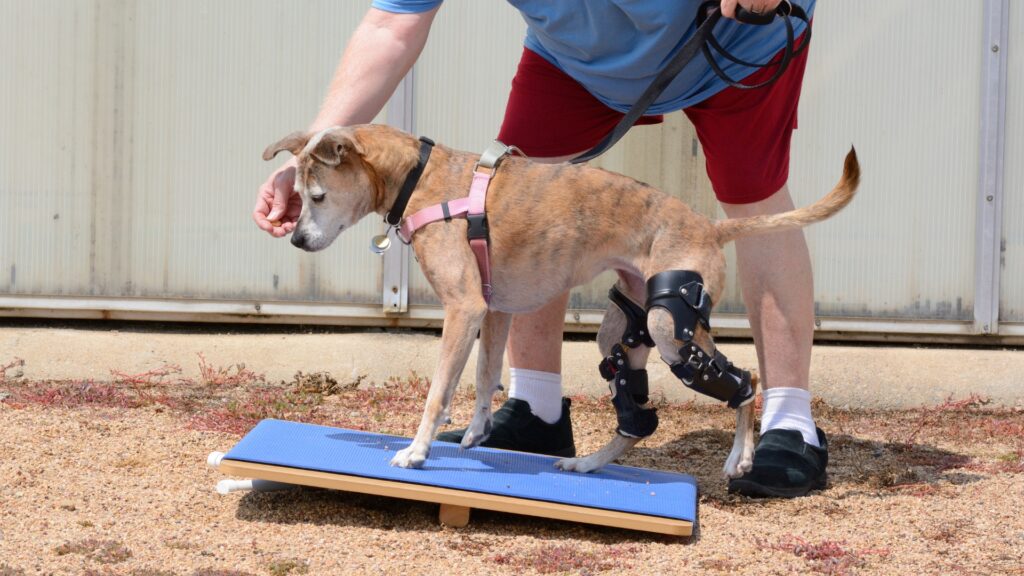
The Growing Role of Physical Therapy in Veterinary Recovery
Veterinary physical therapy has evolved tremendously over the past decade.
What was once considered a luxury or specialty service is now increasingly recognized as one of the most valuable tools in post-operative care.
Physical therapy focuses not only on reducing pain, but also on helping pets regain safe function, stability, and independence.
Depending on the condition, therapy may include:
- Controlled therapeutic exercises
- Range-of-motion work
- Hydrotherapy or underwater treadmill
- Massage therapy
- Laser therapy
- Balance and coordination training
- Muscle strengthening
- Neuromuscular stimulation
Unlike medication, which primarily masks or reduces pain signals, rehabilitation addresses the underlying physical consequences of surgery.
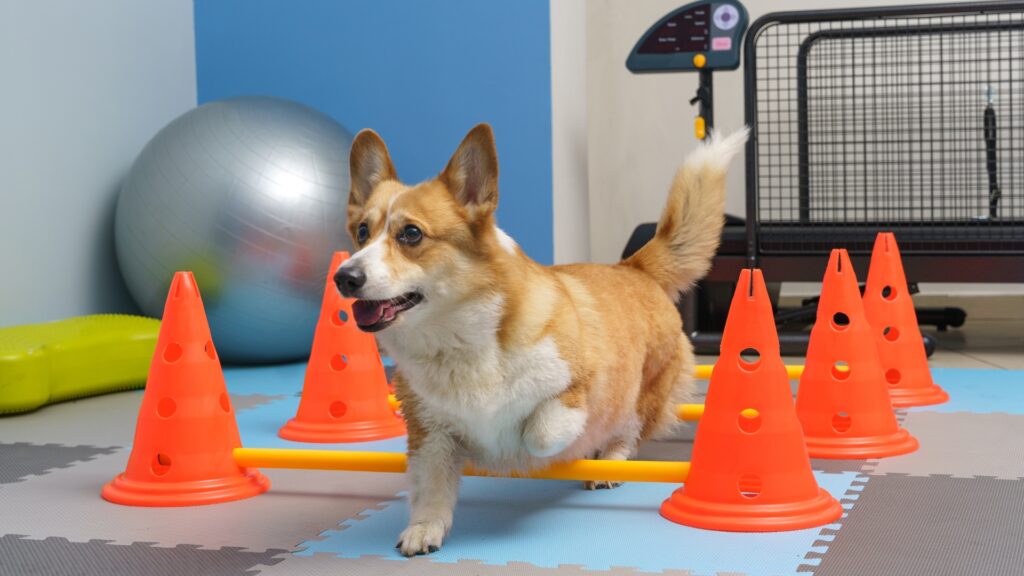
Medication vs. Physical Therapy: They Are Not Opposites
One of the biggest misconceptions is that families must choose between medication and rehabilitation.
In reality, they often work best together.
| Medication | Physical Therapy |
|---|---|
| Provides faster short-term relief | Supports long-term functional recovery |
| Reduces inflammation and discomfort | Restores mobility and muscle strength |
| Essential during acute pain phases | Essential during rebuilding phases |
| Helps pets tolerate movement | Helps pets move correctly again |
| May involve side effects with prolonged use | Generally low-risk when professionally guided |
A pet that is too painful may not participate effectively in therapy. Conversely, a pet relying only on medication may become comfortable enough to move, but still heal improperly or lose muscle conditioning.
The goal is not simply pain reduction. The goal is meaningful recovery.
Senior Pets Require an Even More Personalized Approach
Older pets often face unique challenges after surgery.
They may already have arthritis, muscle loss, mobility decline, cognitive changes, or underlying chronic conditions before surgery even occurs. Recovery can therefore become more physically and emotionally demanding.
For senior pets, post-surgical pain management often shifts from aggressive recovery goals toward balanced quality-of-life care.
That may include:
- Lower-impact rehabilitation
- Comfort-focused therapies
- Environmental adjustments at home
- Mobility assistance
- Hospice or palliative support in advanced cases
Sometimes healing means returning to full activity. Other times, healing means helping a beloved pet feel safe, comfortable, and emotionally supported during recovery.
Both outcomes deserve compassion.
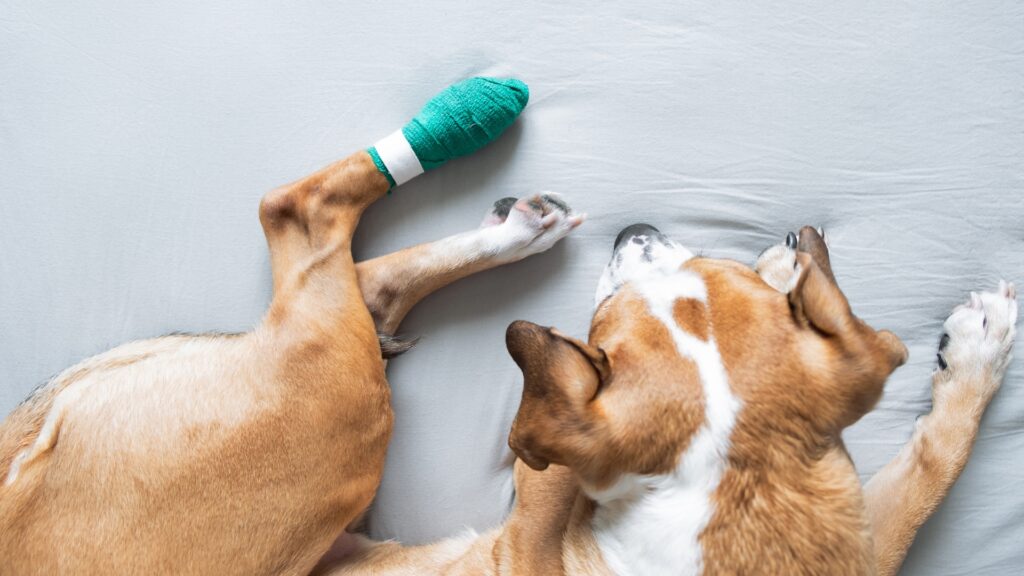
The Emotional Side of Recovery
Pain management is not only physical.
Animals recovering from surgery can experience confusion, frustration, anxiety, and emotional withdrawal. Pets thrive on routine and predictability, and surgery disrupts both.
Families often notice subtle emotional changes before obvious physical ones:
- Reduced interaction
- Restlessness at night
- Isolation
- Irritability
- Hesitation to move
- Loss of enthusiasm
Gentle rehabilitation, calm home environments, proper pain control, and emotional reassurance all contribute to recovery.
This is one reason why in-home support can be so valuable. Pets often feel significantly safer healing in familiar surroundings rather than in stressful clinical environments.
Knowing When Recovery Is Becoming Too Difficult
Most pets improve steadily after surgery. But sometimes pain persists longer than expected, mobility does not return, or chronic disease complicates recovery.
Families should contact their veterinary team if they notice:
- Persistent crying or panting
- Refusal to eat
- Sudden aggression
- Inability to rest comfortably
- Severe lethargy
- Loss of bladder or bowel control
- Continued limping or collapse
- Declining quality of life
Pain that is not improving deserves reassessment.
In some situations, families may also begin discussing palliative or hospice-oriented support, especially for pets with cancer, severe neurological decline, or advanced age-related disease.
Recovery Should Never Be About “Pushing Through”
Animals are incredibly resilient, but resilience should never be confused with the absence of suffering.
Modern veterinary medicine gives us the ability to manage pain more compassionately than ever before. Medication, physical therapy, hospice support, rehabilitation, and comfort-focused care are not competing philosophies. They are tools that can work together to help pets heal with dignity.
At the heart of post-surgical care is a simple question:
“How can we reduce suffering while preserving quality of life?”
When that question guides decisions, recovery becomes not just about surviving surgery—but about helping pets truly feel supported through the healing process.