Halloween is supposed to be scary.
But probably not for your pet.
For us, October 31 means costumes, candy, decorations, children running through the neighborhood, and a doorbell that seems to ring every three minutes.
For our pets, however, the experience can look very different.
The familiar person walking toward them suddenly has a mask covering their face. Children are shouting outside. The door keeps opening. Strange objects have appeared around the house. People who look and smell unfamiliar are standing on the porch.
And somehow, everyone seems to think this is fun.
For some dogs and cats, Halloween is simply another evening. For others, it can create genuine fear and anxiety—and a few common Halloween traditions can present real medical risks.
The good news is that most of those risks are preventable.
Halloween From Their Perspective
Dogs and cats do not understand the concept of Halloween.
They understand their environment.
They recognize familiar voices, faces, smells, routines, and patterns. When several of those things suddenly change at once, some animals may become uncertain or frightened.
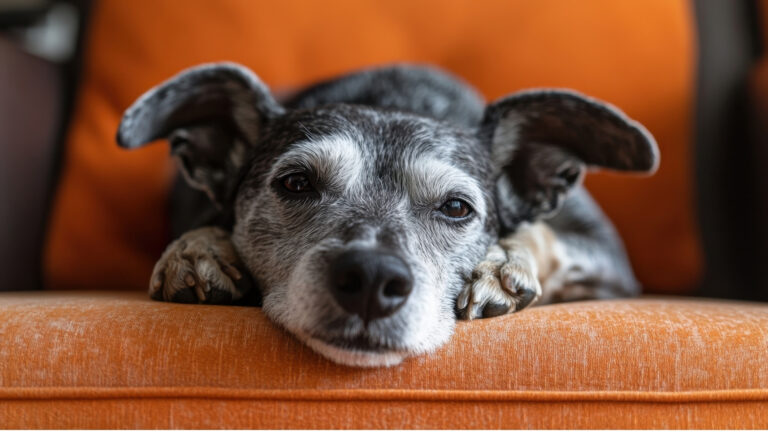
A normally friendly dog may bark at someone wearing a mask. A cat may disappear under the bed when guests arrive. A pet may pace, pant, tremble, vocalize, hide, attempt to escape, or refuse food.
Those behaviors are not your pet being “dramatic” or difficult.
They are communication.
Fear can also change behavior. An animal who feels trapped or threatened may react differently than they normally would, which is another reason interactions between frightened pets, children, guests, and unfamiliar people should always be managed carefully.
1. Create a Safe Space Before the Doorbell Starts Ringing
If your dog becomes excited every time someone comes to the door—or your cat disappears when visitors arrive—Halloween night is probably not the evening to test their social skills.
Set up a quiet, comfortable area before trick-or-treating begins.
Include familiar items such as their bed, blanket, water, favorite toys, or an appropriate food puzzle. Close curtains or blinds if activity outside triggers your pet, and consider using familiar background sound to reduce sudden environmental noise.
The ASPCA recommends keeping pets who may become stressed by visitors in a separate, comfortable room away from the front door during peak trick-or-treating hours.
Most importantly, don’t force your pet to participate.
Sometimes the kindest Halloween activity for your pet is no Halloween activity at all.
2. The Open Door May Be a Bigger Risk Than You Think
Halloween creates something many households do not experience on a normal evening:
the front door opening over and over again.
Add excited children, unusual costumes, unfamiliar voices, and a frightened or overstimulated pet, and an escape can happen very quickly.
Keep pets securely separated from the entrance if there is any possibility they could bolt.
Check that your pet’s identification tag is current and that microchip registration information is up to date.
If you do take your dog outside, use a secure leash and collar or properly fitted harness. Visibility is also important after dark.
Even a pet who normally stays close to you can react unexpectedly when frightened.
Halloween is not the night to discover how fast your dog can run.
3. Candy Is for Humans
The Halloween candy bowl deserves special attention.
Chocolate can be toxic to both dogs and cats. Chocolate contains methylxanthines, including theobromine, and darker chocolates generally contain higher concentrations.
Depending on the amount and type consumed, chocolate toxicity can cause gastrointestinal upset, restlessness, increased heart rate, tremors, seizures, and other potentially serious problems.
Sugar-free products create another concern.
Xylitol can be life-threatening to dogs. It may cause a dangerous decrease in blood glucose and, depending on the exposure, serious liver injury.
And the candy itself isn’t the only problem.
Wrappers can be swallowed and potentially cause gastrointestinal obstruction. Some candies or baked goods may also contain other problematic ingredients such as raisins or macadamia nuts.
Keep candy bowls, children’s trick-or-treat bags, purses, backpacks, and discarded wrappers somewhere your pet genuinely cannot reach—not simply somewhere you assume they won’t investigate.
If your pet eats something potentially toxic, contact your veterinarian or an animal poison-control service promptly rather than waiting for symptoms to appear.
4. A Costume Should Be Fun for the Pet Too
We understand.
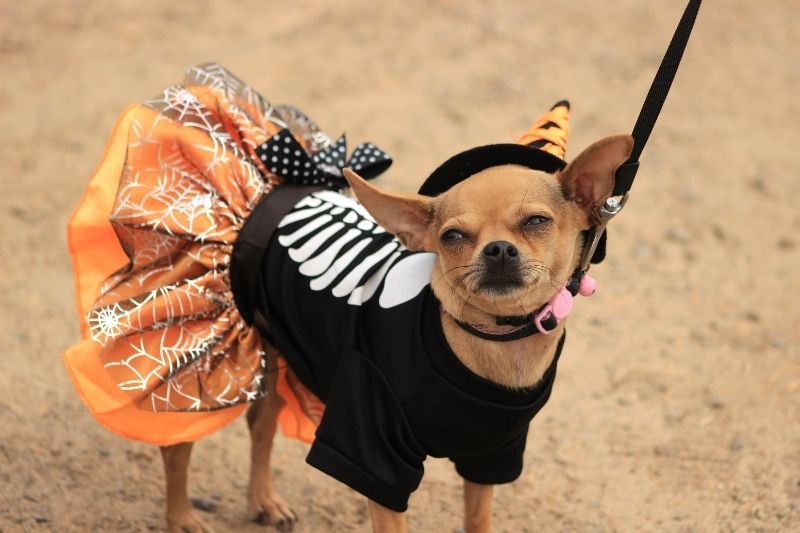
Your dog dressed as a tiny UPS driver may be extremely cute.
But there is one important question:
Does your dog agree?
Some animals genuinely seem comfortable wearing clothing or costumes. Others tolerate them because we put them on.
Watch your pet’s body language.
A costume should never interfere with movement, vision, hearing, breathing, vocalization, drinking, or normal body functions. Avoid small pieces that could be chewed off or swallowed and anything that could become caught on furniture or other objects.
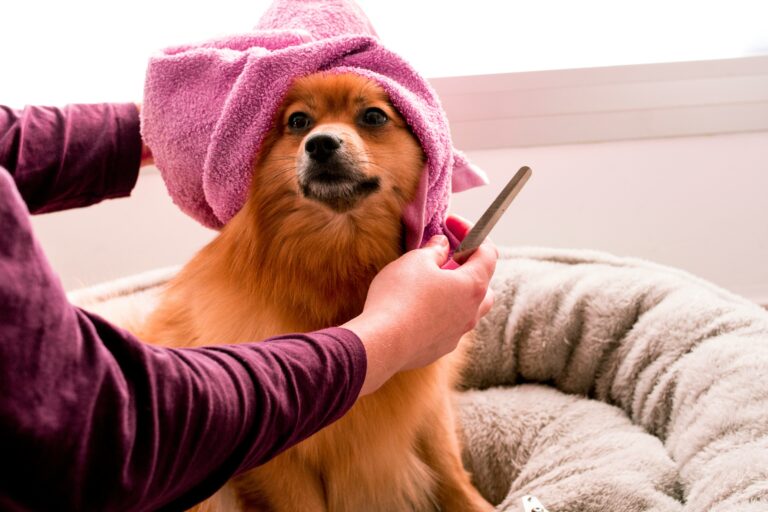
If your pet freezes, repeatedly tries to remove the costume, hides, becomes agitated, or appears uncomfortable, take it off.
A Halloween bandana or festive collar can accomplish the photograph without requiring your pet to spend the evening dressed as a dinosaur.
The picture is optional.
Your pet’s comfort isn’t.
5. Decorations Can Create Unexpected Hazards
Halloween changes the physical environment of the home too.
Candles inside jack-o’-lanterns can cause burns or fires if knocked over. Electrical cords may attract curious pets. Small plastic decorations and costume accessories can become choking or foreign-body hazards.
Glow sticks deserve particular attention around cats.
Pets may chew or puncture glow products. Although the contents of many glow sticks are not typically considered highly toxic, they can have an extremely unpleasant taste and cause significant drooling, oral irritation, and distress.
Keep decorations, electrical cords, candles, glow products, and small accessories away from curious mouths and paws.
6. Don’t Wait Until Halloween Night to Address Severe Anxiety
If you already know your pet struggles with visitors, doorbells, unusual noises, or changes in routine, talk with your veterinarian before Halloween.
Management may involve environmental changes, behavioral strategies, and, for some animals, veterinarian-prescribed medication.
The important part is planning ahead.
Halloween night is not the ideal time to begin experimenting with ways to manage a severely anxious pet.
And never give your pet human anti-anxiety medications, sleep aids, supplements, or other products without veterinary guidance.
7. Know When Fear—or an Accident—Needs Veterinary Attention
Most Halloween stress resolves once the environment becomes quiet again.
But some situations require medical help.
Contact a veterinarian promptly if your pet has consumed chocolate, xylitol, raisins, medication, or another potentially toxic substance; swallowed a foreign object; suffered a burn or injury; or is showing concerning symptoms such as repeated vomiting, collapse, tremors, seizures, difficulty breathing, extreme lethargy, or significant changes in behavior.
When possible, save the packaging of anything your pet may have eaten. The product name, ingredients, amount consumed, and your pet’s weight can help veterinary professionals evaluate the exposure.
The Best Halloween Is One Your Pet Doesn’t Have to Fear
Including our pets in celebrations can be wonderful.
But inclusion does not always mean participation.
Sometimes loving a pet means recognizing that what is exciting for us may be overwhelming for them.
Before Halloween begins, look at your plans from your pet’s perspective.
Where will they be when the doorbell starts ringing?
Can they reach the candy?
Could they escape through an open door?
Are decorations safely out of reach?
Are they actually comfortable wearing that costume?
And if your pet becomes frightened, do they have somewhere safe to go?
A little preparation can make Halloween what it was always supposed to be:
scary for fun—not scary for your pet.
At Two by Two Pet Support, we believe understanding what our pets are communicating is an important part of caring for them at every stage of life. Fear, discomfort, and changes in behavior deserve our attention just as much as physical symptoms do.
This Halloween, enjoy the costumes, enjoy the candy, and enjoy the fun.
Just let your pet decide how much of the spooky season they want to join.