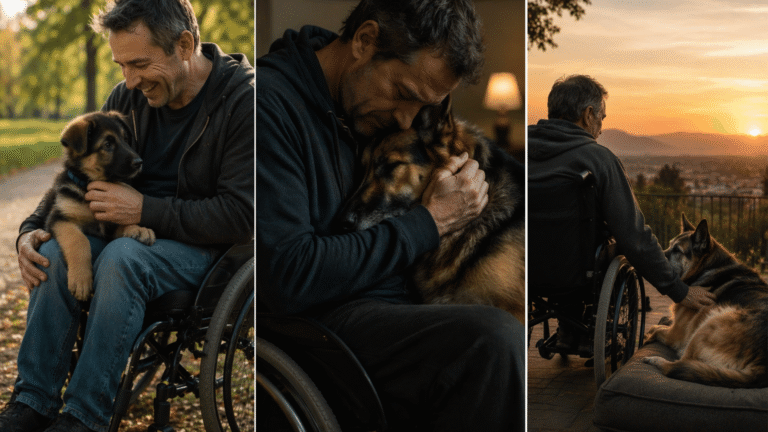

As veterinary professionals, we spend much of our careers focused on medicine. We learn to diagnose disease, manage pain, interpret lab work, and recommend treatment plans. Those skills matter. They save lives and improve quality of life every day.
Yet some of the most profound lessons we learn do not come from textbooks or medical conferences.
They come from our patients.
Particularly in their final days.
At Two by Two Pet Support, we have the privilege of helping families navigate one of the most difficult chapters of pet ownership. We enter homes during moments of uncertainty, fear, grief, and love. While every family is unique, one thing remains remarkably consistent: pets often teach us how to face life’s hardest moments with a grace that many humans struggle to find.
Over the years, we’ve witnessed lessons that stay with us long after the appointment is over.
Pets Live in the Present
One of the most striking differences between people and animals is their relationship with time.
Humans often spend their days worrying about what may happen tomorrow or replaying what happened yesterday. Pets don’t.
A senior dog diagnosed with cancer doesn’t spend the afternoon wondering what his prognosis means six months from now. A cat with chronic kidney disease doesn’t lie awake regretting the years that have passed.
Instead, they focus on what is happening right now.
The comfort of a familiar blanket.
The sound of their favorite person’s voice.
The warmth of a sunny spot by the window.
As veterinary professionals, we often see families overwhelmed by the future while their pet remains fully engaged in the present moment.
Sometimes the greatest gift we can give our pets is joining them there.
| Human Perspective | Pet Perspective |
| “How much time do we have left?” | “You’re here with me now.” |
| “What happens next?” | “This moment feels safe.” |
| “I wish things were different.” | “I still enjoy being with you.” |
For many families, this shift in perspective becomes one of the most meaningful lessons of the entire journey.

Love Doesn’t Require Perfect Health
Many pet owners struggle when illness begins to change their companion.
The energetic dog who once ran miles now sleeps most of the day.
The cat who used to leap onto countertops now needs help reaching her favorite chair.
Families often worry that their pet is no longer happy because they are no longer the same.
What we observe, however, is something different.
We see pets continue to seek affection.
We see them lean into familiar hands.
We see tails wag despite arthritis.
We hear purrs despite chronic illness.
Their physical abilities may change, but their capacity to love rarely does.
One family we worked with had a Golden Retriever suffering from advanced osteosarcoma. His mobility had become extremely limited, and his owners feared he had lost all enjoyment in life.
Yet every morning, he would slowly make his way to the front door to greet his children before school.
The disease had changed his body.
It had not changed who he was.

Comfort Matters More Than Perfection
One misconception we often encounter is the belief that every condition must be aggressively treated until the very end.
Modern veterinary medicine offers remarkable options, and treatment can absolutely improve both lifespan and quality of life.
But there comes a point when comfort becomes the most meaningful goal.
Pets teach us this better than anyone.
They do not measure life by the number of procedures they’ve undergone.
They measure it through experiences.
A favorite meal.
A car ride.
A nap beside their person.
A gentle scratch behind the ears.
As professionals involved in hospice and end-of-life care, we often help families transition from asking, “How do we make our pet live longer?” to asking, “How do we make each day feel better?”
That question often changes everything.
Animals Are Remarkably Honest
Humans are masters at hiding emotions.
Pets are not.
When they feel comfortable, they show it.
When they hurt, they show it.
When they are tired, they rest.
When they need help, their behavior changes.
This honesty is one reason quality-of-life assessments are so important.
A pet cannot tell us with words that something feels wrong, but they communicate constantly through behavior.
Changes in appetite, mobility, sleep patterns, social interaction, grooming habits, and daily routines often tell us far more than owners realize.
| Often Misinterpreted As | What It May Actually Mean |
| “He’s just getting old.” | Chronic pain or discomfort |
| “She’s becoming lazy.” | Arthritis, weakness, or illness |
| “He wants to be alone.” | Physical discomfort or declining quality of life |
| “She’s acting differently.” | An underlying medical or emotional change |
Learning to listen to these subtle messages helps families make more informed and compassionate decisions.

One of the Most Important Lessons Pets Teach Us: Pay Attention to the Small Changes
One of the greatest challenges families face is recognizing when occasional changes become a pattern.
Most declines in quality of life do not happen overnight. They occur gradually, often through small behavioral shifts that are easy to dismiss.
A dog that hesitates before climbing stairs.
A cat that spends less time grooming.
A pet that sleeps slightly more than usual.
A companion who no longer greets family members at the door every day.
Individually, these changes may seem insignificant. Together, however, they can reveal important information about comfort, mobility, pain levels, and overall well-being.
One lesson we consistently learn from pets in their final months is that they rarely hide their needs completely. They communicate through behavior. The challenge is not whether they are telling us something—it’s whether we are tracking those changes closely enough to recognize the message.
This is why we encourage families to begin monitoring quality-of-life indicators long before a crisis develops.
Keeping track of appetite, mobility, sleep patterns, social interaction, energy levels, and daily enjoyment can help identify trends that might otherwise go unnoticed.
More importantly, it can help families make decisions based on objective observations rather than fear, guilt, or uncertainty.
| Without Tracking | With Tracking |
| Decisions are often based on emotions from a particularly good or bad day. | Decisions are based on patterns observed over time. |
| Small changes may go unnoticed until a crisis occurs. | Early signs of discomfort can be recognized sooner. |
| Families often feel uncertain about when to seek help. | Families have clearer information to discuss with veterinary professionals. |
| Hospice conversations often begin during emergencies. | Hospice care can be introduced proactively, before suffering escalates. |
At Two by Two Pet Support, we believe families should never have to navigate these decisions alone.
For this reason, we would like to provide you with a free way to begin monitoring your pet’s quality of life today.
Regular tracking can help you better understand your pet’s changing needs, recognize early signs of discomfort, and determine when it may be beneficial to schedule a consultation with your veterinarian or explore supportive services such as pet hospice care.
The goal is not to focus on the end of life.
The goal is to maximize comfort, preserve meaningful moments, and ensure that every stage of your pet’s journey is approached with clarity, confidence, and compassion.
We invite you to download our free Quality of Life Tracking Tool and start monitoring today. A few minutes each day can provide valuable insight into your pet’s comfort and help you make informed decisions when they matter most.

They Remind Us That Presence Is More Important Than Perfection
One concern we hear repeatedly from families is the fear of making mistakes.
Did we do enough?
Did we wait too long?
Did we decide too soon?
Could we have done something differently?
These questions are natural.
But when we observe the bond between pets and their families, one truth becomes clear.
Pets rarely care about perfection.
They care about presence.
They remember the person who showed up every day.
The person who prepared their meals.
The person who sat beside them during difficult nights.
The person who loved them.
In the final days of life, what matters most is often not a perfectly executed plan.
It’s simply being there.
Lessons Families Can Apply Today
The lessons pets teach us in their final chapter are not just about preparing for goodbye. They are lessons that can improve the relationship we have with them right now.
Being more present during everyday moments.
Paying attention to subtle changes rather than waiting for a crisis.
Prioritizing comfort alongside treatment.
Creating meaningful experiences instead of focusing only on outcomes.
And perhaps most importantly, understanding that quality of life is not determined by a diagnosis, but by how a pet experiences each day.
The truth is that none of us know exactly how much time we have with the animals we love.
That uncertainty can feel frightening.
But it can also serve as a reminder to make today’s moments count.

Final Thoughts
Every pet’s journey is unique.
Some lives are measured in years, others in decades. Some endings arrive gradually, while others come unexpectedly.
What remains consistent is the extraordinary ability of animals to teach us about resilience, loyalty, trust, and unconditional love.
In their final days, many pets continue doing what they’ve done their entire lives.
They comfort us.
And if we’re paying attention, they leave us with lessons that remain long after they’ve gone.