“He’s still eating.”
If we had to choose one sentence that echoes through living rooms more than any other, this would probably be it.
Sometimes it’s said hopefully.
Sometimes defensively.
Sometimes almost as if the family is asking us for permission to wait a little longer.
“He’s still eating… so maybe it’s not time.”
At Two by Two Pet Support, we’ve had the privilege of walking alongside thousands of families during one of the hardest chapters of loving a pet. Although every story is different, certain conversations happen again and again.
“Maybe one more week.”
“I don’t want to do it too early.”
“Yesterday was actually a good day.”
These words don’t come from denial.
They come from love.
Because when you’ve shared your life with a pet for ten, twelve, or even fifteen years, saying goodbye isn’t simply a medical decision. It’s an emotional one. And emotions have a remarkable way of negotiating with reality.
The truth is, families aren’t the only ones negotiating.
Our pets are, too.

The Quiet Negotiation Pets Make Every Day
“One thing I often tell families is that pets rarely show pain the way people expect.”
— Dr. Owens
“In my experience, they don’t usually wake up one morning and tell us something is wrong. They negotiate.”
That word—negotiate—perfectly describes what we witness every week.
A pet with arthritis doesn’t suddenly stop walking. They simply take the stairs a little slower.
A dog who once greeted everyone at the front door now waits until guests come inside.
A cat that always slept on the windowsill quietly chooses the floor instead.
A senior German Shepherd who never missed a family walk suddenly decides halfway through that he’d rather head home. None of those moments feels dramatic.
Individually, they don’t seem like a reason to worry. But together, they begin telling a story.
The challenge is that the story unfolds so gradually that it’s almost impossible to notice while you’re living it.

“We Thought He Was Just Getting Older”
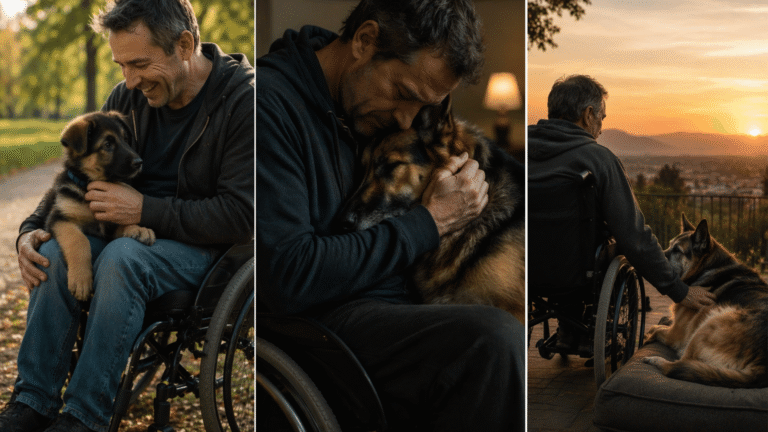
Not long ago, we met a family whose senior German Shepherd had always been the center of everything.
He followed Dad from room to room. He insisted on carrying a toy whenever visitors arrived.
Every evening, he climbed the stairs just to sleep outside the children’s bedrooms.
Over several months, those little habits started disappearing.
First, he stopped bringing toys. Then he stayed downstairs more often.
Eventually, he began sleeping in the living room instead of climbing the stairs. The family assumed age was finally catching up with him.
It wasn’t until our veterinarian gently asked a different question that the room became quiet.
“What are his three favorite things?” Without hesitation, they answered. “Following Dad.” “Sleeping near the kids.” “Going on neighborhood walks.”
Then came the next question.
“How many of those things can he still comfortably enjoy?”
No one answered right away. Because everyone suddenly realized they had been measuring whether he was alive, not whether he was still living the life he loved.

Why Love Makes These Changes So Hard to See
Looking back is always easier.
We hear it all the time.
“I can see it now.”
“The signs were there.”
“I just didn’t realize they all connected.”
That doesn’t mean families weren’t paying attention. Quite the opposite. When you live with your pet every day, change happens in tiny increments. Tuesday looks almost identical to Monday. This week looks almost identical to last week.
Until one day you compare today to six months ago instead of yesterday.
That’s when everything suddenly becomes obvious. Our memories also tend to preserve the healthiest version of the pet we love. We remember the dog who couldn’t wait to chase a ball; The cat who claimed the warmest spot in the house before anyone else could.
The excited greeting at the front door.Because those memories stay so vivid, it’s easy to overlook the quiet ways life has begun to change.
“He’s Still Eating”
This sentence deserves its own conversation.
Because it’s one of the biggest misconceptions we encounter.
Many pets continue eating long after they’ve stopped enjoying many of the things that once defined their lives.
They eat because eating is instinct.
Because it’s comforting. Because they’re trying. But appetite tells only one chapter of the story.
We’ve cared for pets who still finished every meal yet no longer wanted to go outside.
Pets who accepted treats but couldn’t comfortably stand afterward.
Pets who still wagged their tails while silently adapting to chronic discomfort every single day.
Eating matters. But it should never carry the entire weight of such an important decision.
The Small Things Usually Matter the Most
One of the biggest surprises for families is realizing that quality of life rarely disappears all at once.
Instead, it fades through ordinary moments.
Not jumping onto the couch anymore.Choosing not to greet visitors.
Sleeping in a different room. Losing interest in favorite games.
Watching the family leave instead of following. Standing in front of the stairs before deciding they’re simply not worth climbing.
These aren’t dramatic emergencies. They’re whispers.
And pets are incredibly good at whispering.
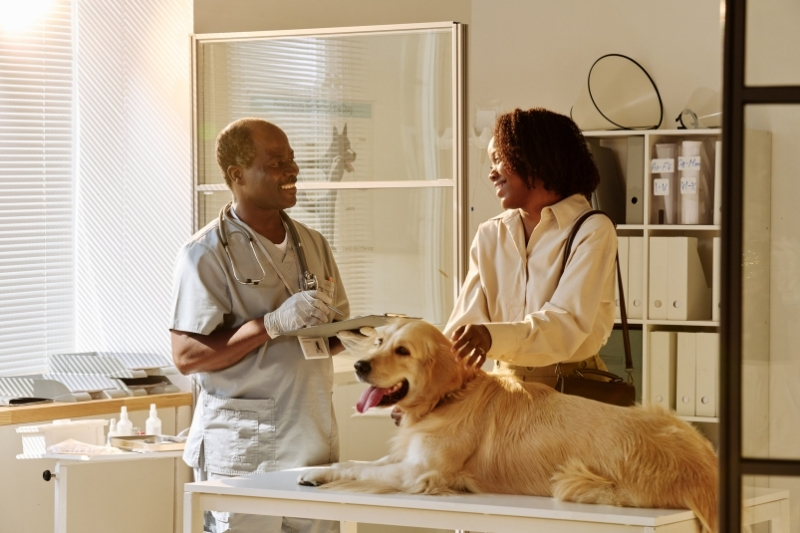
Hospice Isn’t Giving Up. It’s Choosing to Pay Attention.
Sometimes families call us because their pet suddenly can’t stand.
They’re frightened. Heartbroken. They need help immediately.
During those conversations, we sometimes discover something else. The changes didn’t begin that morning. They began weeks—or even months—earlier. By then, families often feel cornered into making decisions during a crisis.One of the hardest calls we receive isn’t from someone asking about hospice.
It’s from someone canceling an appointment because…
“He’s eating again today.”
We completely understand why. Hope is powerful. Every family wants one more good day.One more weekend.One more memory.
Sometimes that’s exactly the right decision.
Other times, it’s simply delaying a conversation that could have focused on comfort instead of crisis.
Hospice care isn’t about deciding that life is over. It’s about asking an entirely different question.
“How can we make the days we still have as comfortable and meaningful as possible?”
Sometimes the answer involves pain management. Sometimes mobility support. Sometimes environmental adjustments. Sometimes it’s simply giving families permission to stop wondering if they’re overreacting.
You Don’t Have to Remember Everything
One of the reasons we created the Two by Two Quality of Life Tracker wasn’t to tell families when it’s time.
No checklist can ever make that decision. Only you, together with your veterinary team, can do that.We created it because memory isn’t always fair.
When emotions are involved, our minds naturally remember the good days more vividly than the difficult ones.
The tracker gives families a simple place to notice patterns before they become overwhelming. Maybe your German Shepherd climbed the stairs every day this week. Maybe today he didn’t. Maybe your cat skipped breakfast once. Maybe she’s been eating less for ten days, but you only realized it when you looked back.
Sometimes the little things tell the biggest story.
When you download the free tracker, you’ll be guided to our online platform, where you can create a secure account to record daily observations, upload photos, document your pet’s journey, and preserve meaningful memories along the way. Families can also connect with others who understand what they’re experiencing, ask questions, and create keepsakes that celebrate a lifetime of love—not just the final goodbye.
Because every chapter deserves to be remembered.
Not only the last one.
Love Doesn’t Need to Rush
If you’re reading this because your pet has started changing, take a deep breath.
You don’t need to panic. You don’t need to make a decision today. But you also don’t have to carry every question by yourself.
Pay attention to the quiet moments.
Talk to your veterinarian.
Ask about hospice if you’re unsure.
Start writing things down.
Sometimes the greatest gift we can give our pets isn’t finding the perfect moment.
It’s making sure we’re truly seeing the moments we’re already living.
Download Your Free Two by Two Quality of Life Tracker
If you’ve started noticing small changes but aren’t sure what they mean, we invite you to download our free Two by Two Quality of Life Tracker.
It was created to help families recognize patterns, monitor comfort over time, and make thoughtful decisions with confidence instead of uncertainty.
☞ Click here to access the free tracker and create your account.