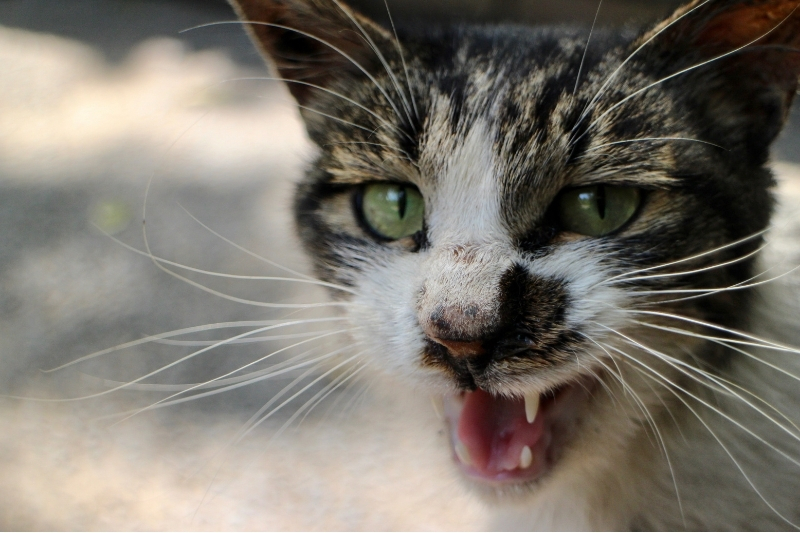

The Real Reasons Pets Chew, Scratch, Bark, Hiss, Hide, and How to Help
If pets could speak our language, most behavioral problems would probably disappear overnight. Instead of barking at the mail carrier, scratching the couch, hiding during thunderstorms, or chewing your favorite shoes, they might simply say, “I’m overwhelmed,” “I’m bored,” “My joints hurt,” or “I don’t feel safe.” Unfortunately, our companions communicate differently. Their behavior is their language. One of the greatest mistakes we make as pet parents is interpreting behavior through a human lens. We assume a dog is being stubborn, a cat is being spiteful, or a senior pet has simply become grumpy. More often than not, these behaviors are not acts of defiance—they are attempts to communicate an unmet need. At Two by Two Pet Support, we believe that understanding everyday behavior is one of the most powerful forms of preventive care. When we learn to recognize subtle changes early, we can often reduce stress, strengthen the human-animal bond, and sometimes even identify medical conditions before they become more serious.
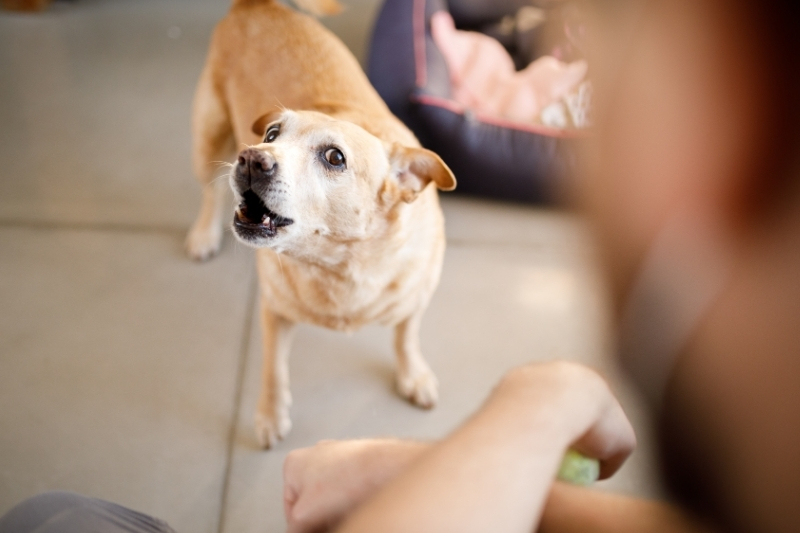
Behavior Is Information, Not Disobedience
Every unwanted behavior has a story behind it. A young dog chewing furniture may simply need more mental enrichment. A cat scratching the sofa may be expressing a natural instinct in the wrong place because the available scratching post doesn’t meet its preferences. Instead of asking how to stop the behavior, ask why it started.
Curiosity is often more effective than correction.
When Boredom Looks Like Mischief
Modern pets spend far more time indoors than their ancestors ever did. Their minds still crave exploration, problem-solving, and movement. Food puzzles, scent games, short training sessions, rotating toys, and opportunities to sniff during walks satisfy natural instincts and often reduce destructive behaviors dramatically.

The Emotional Weight of Being Alone
Separation anxiety is more than missing a favorite person. Some pets experience genuine panic when left alone. Calm departure routines, gradual independence training, and predictable schedules can help build confidence. Severe anxiety deserves veterinary attention because emotional health is just as important as physical health.
A Safe Home Is More Than Four Walls
Our homes are designed for humans, not always for animals. Slippery floors, toxic foods, medications, electrical cords, and stairs can quietly increase the risk of injury. Small environmental changes often have a profound impact, especially for senior pets living with arthritis or reduced vision.
Listening Before There Is a Crisis
Sudden changes in appetite, sleep, activity, or personality should never be ignored. Pain, endocrine disease, neurological disorders, and age-related cognitive changes can all appear first as behavioral changes. Recognizing these signs early gives veterinarians the best opportunity to help.
Compassion Begins Long Before Goodbye
At Two by Two Pet Support, much of our work happens during some of life’s most emotional moments. Yet our mission begins long before families call us. We believe that helping people understand their pets every single day leads to healthier lives, deeper relationships, and more peaceful decisions whenever difficult moments eventually arrive.