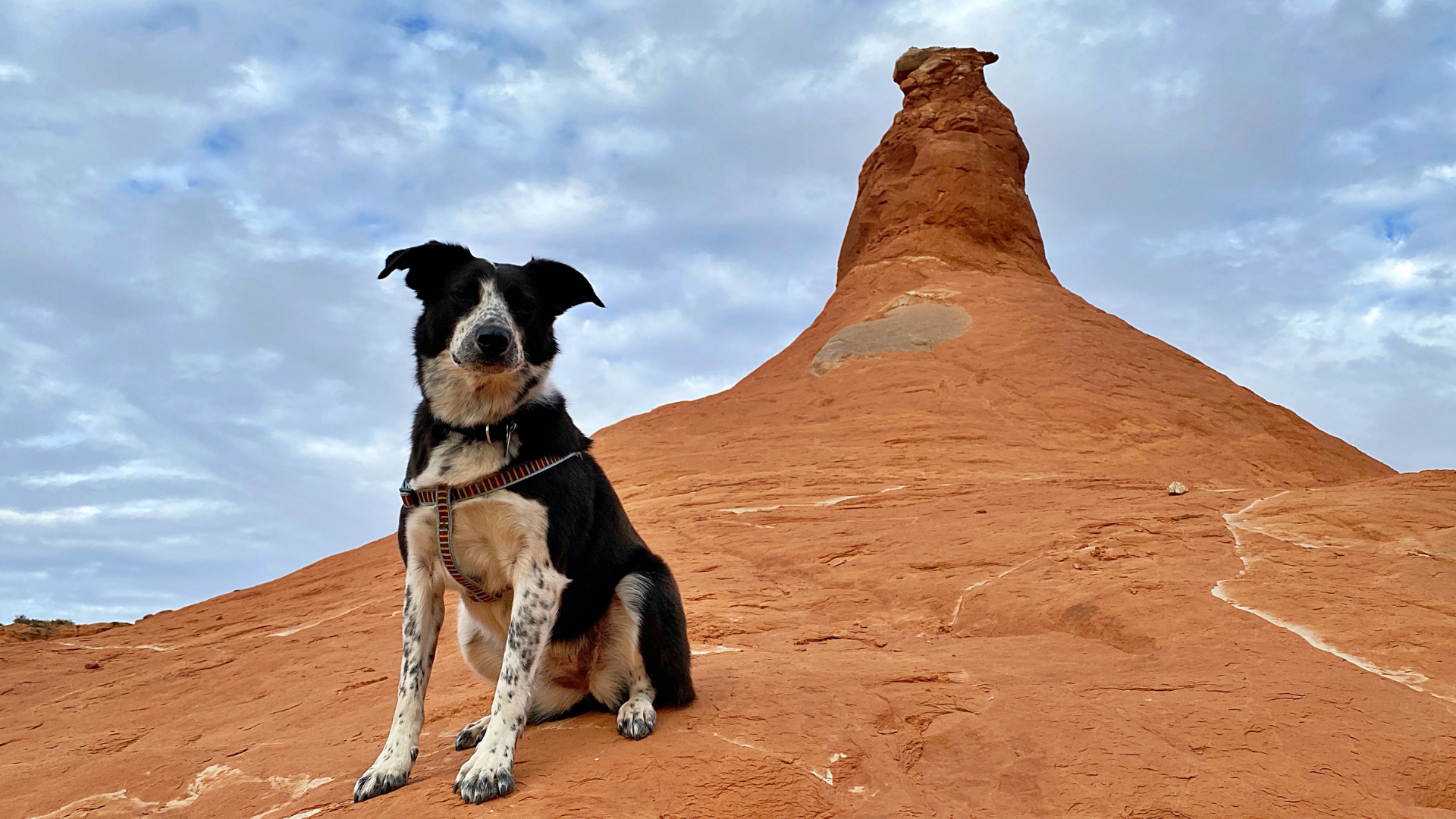
At first glance, the desert seems like an ideal place for pets. Endless sunshine, dry air, and plenty of outdoor adventures. Yet behind the beauty of places like Las Vegas and the Southwest lies a unique set of health challenges that every pet owner should understand.
The extreme heat, intense UV exposure, dry climate, blowing dust, and the presence of wildlife create conditions that affect dogs and cats differently. Some illnesses develop suddenly, while others progress slowly over years.
Understanding these risks doesn’t mean living in fear. It means learning to recognize subtle signs early—because often the earlier we intervene, the better the quality of life we can preserve.
Health Conditions More Common in Desert Dogs
| Condition | Why Desert Dogs Are at Higher Risk | Early Signs |
|---|---|---|
| Heat Stroke | High temperatures and hot pavement | Excessive panting, weakness, vomiting |
| Dehydration | Dry air increases water loss | Dry gums, lethargy |
| Valley Fever | Fungal spores in desert soil | Coughing, limping, weight loss |
| Skin Cancer | Intense UV exposure | New lumps, sores that don’t heal |
| Paw Pad Burns | Asphalt can exceed 150°F | Limping, licking paws |
| Allergies | Dust, pollen and desert plants | Itching, ear infections |
| Eye Irritation | Wind and blowing sand | Redness, excessive tearing |
Valley Fever: The Desert Disease Many Pet Owners Have Never Heard Of
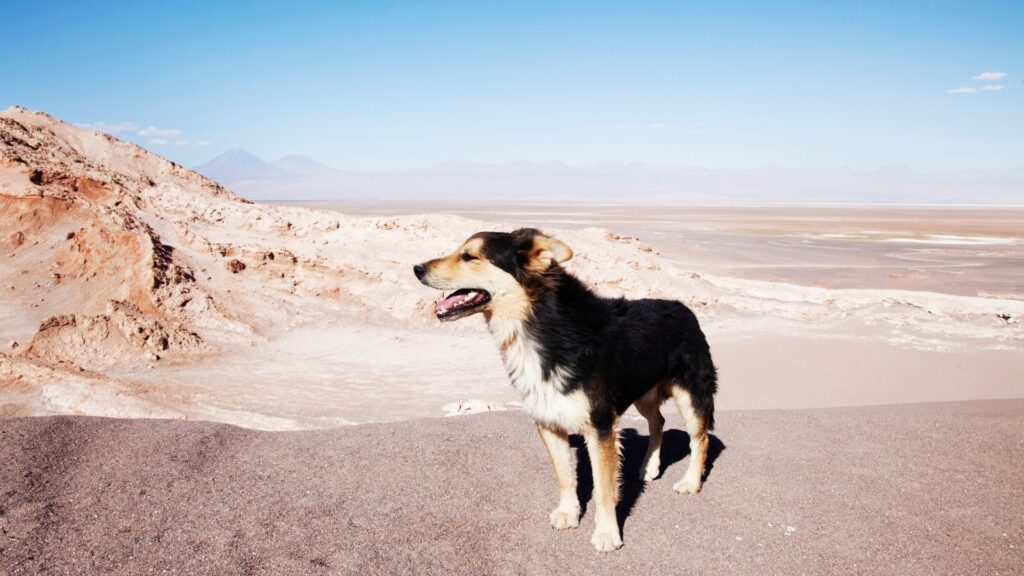
One of the most distinctive diseases of the American Southwest is Valley Fever, caused by inhaling fungal spores found naturally in desert soil.
Dogs are especially susceptible because they love to dig, sniff, and explore the ground where these spores live.
The disease may initially look like a routine respiratory infection. A dog may develop a mild cough, seem tired after walks, or lose interest in food. In more advanced cases, the fungus spreads to bones, joints, or even the nervous system.
The encouraging news is that many dogs respond well to treatment when diagnosed early.
Heat Stroke Is More Than Overheating
Every summer emergency clinics see dogs suffering from heat stroke after surprisingly short exposures to the heat.
The danger is not just the temperature itself.
A dog walking on asphalt in Las Vegas when the air is 105°F may be exposed to surfaces exceeding 150°F. Brachycephalic breeds such as Bulldogs, Pugs, and French Bulldogs are particularly vulnerable because they cannot cool themselves efficiently.
Heat stroke is a true medical emergency.
Health Conditions More Common in Desert Cats
Cats often appear safer because they spend more time indoors, but desert living carries risks for them as well.
| Condition | Why Desert Cats Are at Higher Risk | Early Signs |
|---|---|---|
| Chronic Kidney Disease | Mild chronic dehydration | Increased thirst, weight loss |
| Urinary Blockage | Concentrated urine formation | Frequent litter box visits, straining |
| Heat Stress | Indoor temperatures may rise quickly | Panting, lethargy |
| Skin Cancer | White ears and noses are UV sensitive | Scabs, ulcers |
| Asthma | Dust and dry air irritate airways | Wheezing, coughing |
| Eye Irritation | Dust exposure | Squinting, watery eyes |
Kidney Disease: The Silent Condition
One of the most common chronic illnesses affecting cats in arid climates is kidney disease.
Because cats evolved as desert animals, they naturally drink very little water. Ironically, this adaptation may become a problem later in life.
The dry climate can contribute to long-term low-grade dehydration, placing additional stress on the kidneys.
Owners often miss the earliest signs because they are subtle:
- Drinking slightly more water
- Sleeping more than usual
- Gradual weight loss
- A less shiny coat
- Reduced appetite
These changes are easy to attribute to aging, but they deserve attention.

Urinary Problems: A Desert Concern for Cats
Concentrated urine caused by insufficient water intake can contribute to the formation of crystals and urinary blockages.
Male cats are particularly at risk because their urethra is narrower.
A cat repeatedly entering the litter box without producing urine is experiencing a medical emergency and should be seen immediately.
Can These Desert-Related Diseases Be Prevented?
The good news is that many of the health problems associated with desert living can either be prevented or managed successfully when caught early.
Below is an overview of the most common conditions, available treatments, and practical prevention strategies.
Desert Dogs
| Condition | Prevention | Treatment |
|---|---|---|
| Heat Stroke | Avoid outdoor activities during peak heat, provide shade and water, use cooling mats | Emergency veterinary care, IV fluids, oxygen therapy |
| Valley Fever | Avoid digging in dusty areas, limit exposure after dust storms | Antifungal medications such as Fluconazole or Itraconazole |
| Allergies | Frequent bathing, wipe paws after walks, air purifiers indoors | Antihistamines, Apoquel®, Cytopoint®, medicated shampoos |
| Skin Cancer | Limit sun exposure, pet-safe sunscreen for light-colored dogs | Surgery, cryotherapy, radiation depending on severity |
| Paw Burns | Walk during cooler hours, use protective booties | Wound care, pain management, antibiotics if infected |
Desert Cats
| Condition | Prevention | Treatment |
|---|---|---|
| Kidney Disease | Encourage hydration with fountains, wet food, multiple water stations | Prescription diets, fluids, supportive medications |
| Urinary Problems | Wet diets, increased water intake, stress reduction | Prescription diets, medications, emergency care for blockages |
| Asthma | HEPA filters, reduce dust exposure, maintain indoor air quality | Inhaled corticosteroids and bronchodilators |
| Skin Cancer | Keep cats indoors during peak sunlight, UV window films | Surgery and other oncology treatments |
| Heat Stress | Cool indoor environments and constant access to water | Cooling measures and veterinary care when needed |

Valley Fever: Is There a Vaccine?
This is one of the most common questions among pet owners in the Southwest.
At the present time, there is no commercially available vaccine for Valley Fever for dogs or cats. Prevention focuses on reducing exposure to dust and disturbed soil, especially after windstorms or in areas where pets like to dig.
Fortunately, many dogs diagnosed with Valley Fever respond well to antifungal medications such as Fluconazole or Itraconazole. Treatment may last for several months and, in some cases, longer depending on how advanced the disease is.
Many pets go on to live happy and comfortable lives after treatment.
What About Desert Allergies?
Yes—there are excellent treatment options available.
Dogs suffering from environmental allergies caused by desert pollen, grasses, dust, or molds may benefit from:
- Antihistamines for mild symptoms
- Apoquel®, an oral medication that helps control itching
- Cytopoint®, an injectable therapy that specifically targets itch signals
- Prescription shampoos and medicated wipes
- Omega-3 supplements to support skin health
Cats can also develop allergies, although treatment plans are often more individualized and may include antihistamines, dietary changes, or anti-inflammatory medications prescribed by a veterinarian.
Prevention Often Starts with Observation
No medication can replace careful observation.
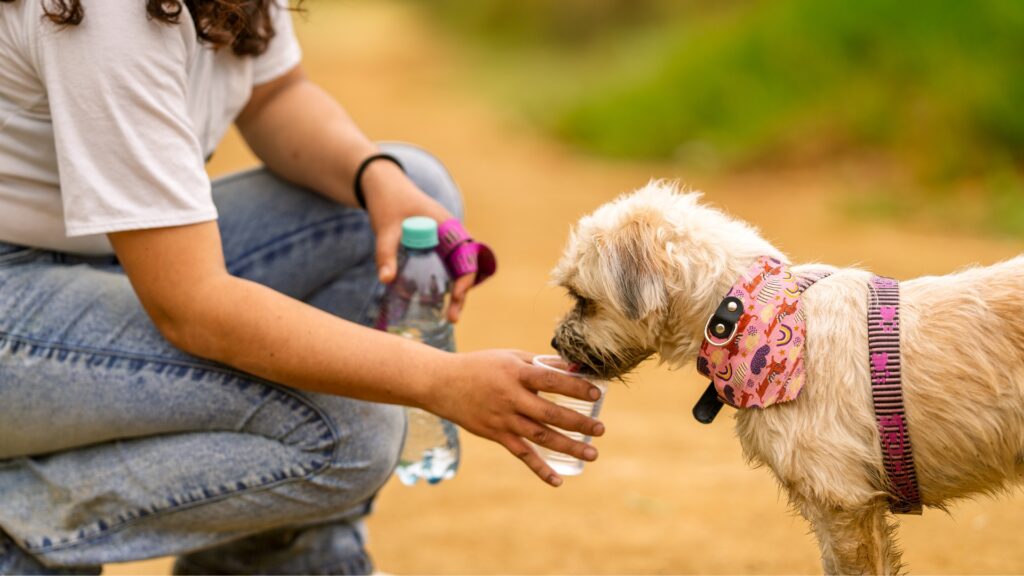
Many serious conditions begin with subtle changes: increased thirst, decreased stamina, more panting than usual, small changes in appetite, or simply a feeling that your pet isn’t quite acting like themselves.
Keeping track of these small changes over time can help families identify problems earlier and have more informed conversations with their veterinarian.
Sometimes, early intervention means treatment and recovery.
Other times, it means exploring supportive care options focused on comfort and quality of life.
Either way, understanding your pet’s changing needs is one of the greatest gifts you can offer them.
When Is It Time to Seek Extra Support?
Living in the desert presents unique challenges for pets, especially as they age or develop chronic health conditions. Sometimes the signs are obvious—a diagnosis of Valley Fever, kidney disease, or severe allergies. More often, however, the changes are subtle.
Perhaps your dog is no longer excited about walks during the summer months. Maybe your cat drinks more water than before, sleeps longer, or seems less interested in the activities they once loved.
These moments don’t necessarily mean the end of a journey. But they may signal the beginning of a new stage—one where comfort, symptom management, and quality of life become the primary focus.
At Two by Two Pet Support, we encourage families to pay attention to these changes and discuss them with their veterinarian early. In some situations, supportive care or hospice services can help pets remain comfortable for weeks, months, or even longer, while giving families the guidance and peace of mind they need.
Seeking additional support is not giving up.
It is another way of loving.
At Two by Two Pet Support, we believe that caring for a pet means adapting to their changing needs with compassion, knowledge, and love. In the desert and beyond, our goal is to help families make informed decisions and ensure their companions live as comfortably as possible—every step of the way. ❤️
Medical Disclaimer
The information provided in this article is intended for educational and informational purposes only and should not be considered a substitute for professional veterinary advice, diagnosis, or treatment. Every pet is unique, and medical conditions can vary greatly between individuals. If your pet is experiencing symptoms or changes in behavior, always consult your veterinarian promptly to discuss the most appropriate care and treatment options.