
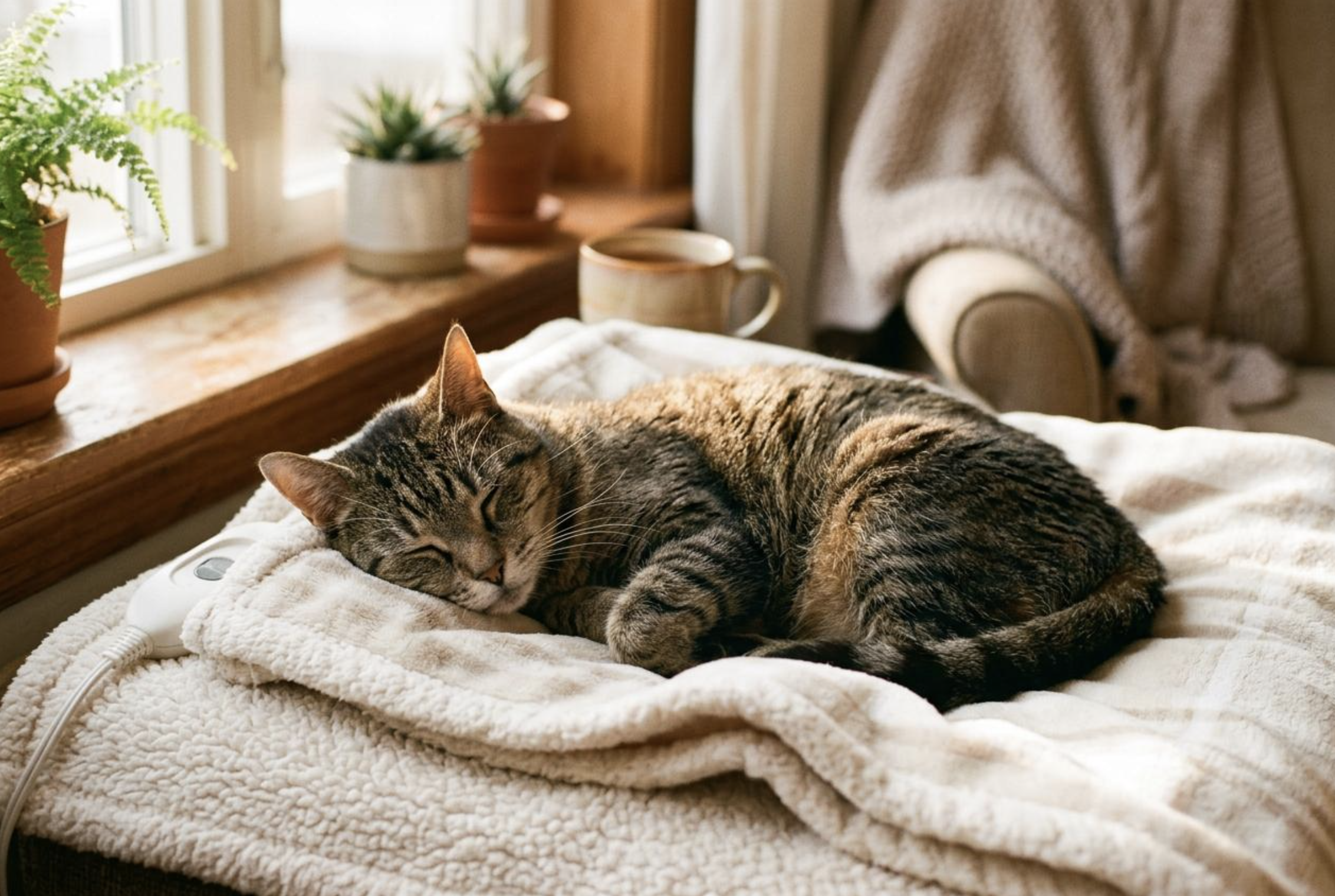
When an older cat begins losing weight, drinking more water, eating differently, or behaving in ways that seem unusual, it’s easy to attribute those changes to age.
But aging itself isn’t a diagnosis.
For senior cats, subtle changes can be the first indication of an underlying medical condition—and sometimes more than one condition is happening at the same time.
Two conditions commonly seen in older cats are hyperthyroidism and chronic kidney disease (CKD). What makes this combination particularly interesting—and sometimes confusing for families—is that hyperthyroidism can actually make kidney function appear better on laboratory tests than it really is.
Then, once the thyroid condition is treated, previously hidden kidney disease may become apparent.
Understanding why this happens can make the process much less frightening for pet parents and help families have more informed conversations with their veterinarian.
What Is Hyperthyroidism in Cats?
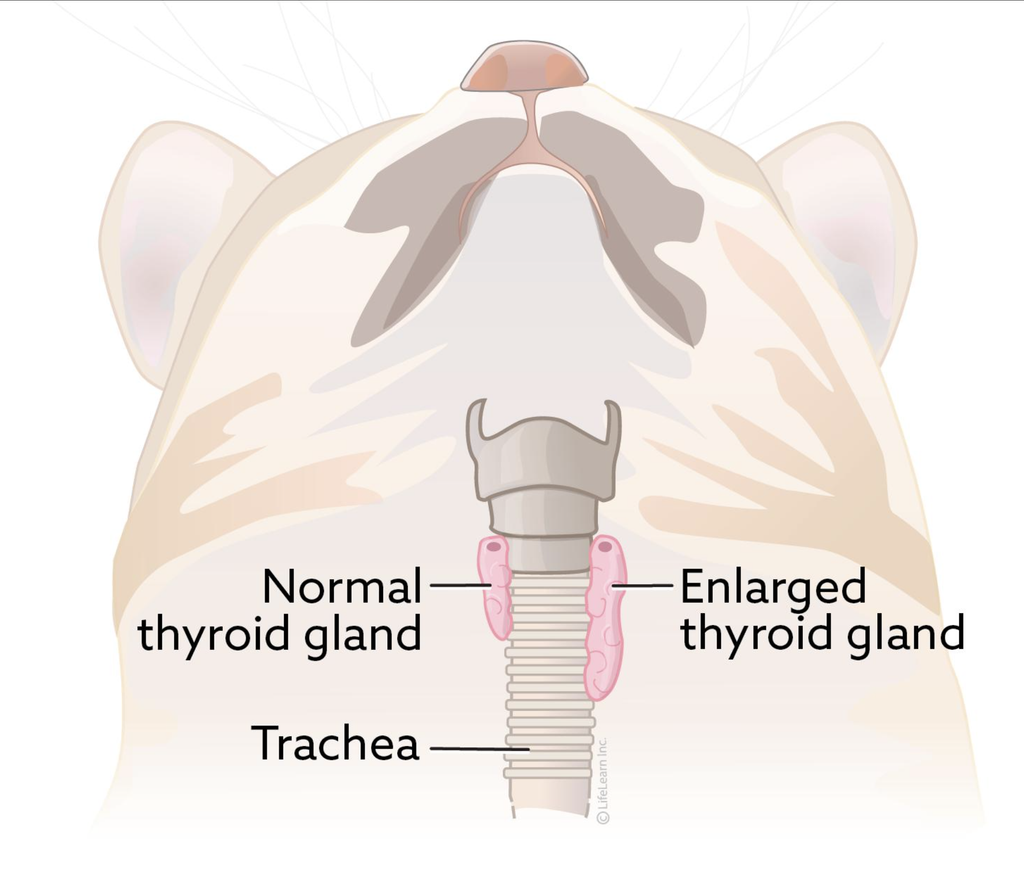
Hyperthyroidism occurs when the thyroid gland produces excessive amounts of thyroid hormones.
It is primarily a disease of middle-aged and older cats. Because thyroid hormones influence metabolism throughout the body, an overactive thyroid doesn’t affect just one organ.
Pet parents may notice:
- Weight loss despite a strong or increased appetite
- Increased thirst or urination
- Restlessness or unusually high activity
- Vomiting or diarrhea
- Changes in coat quality
- Increased vocalization
- Muscle loss
- Weakness
- Rapid heart rate
Some cats seem almost unusually energetic at first, which can make the condition easy to overlook.
But internally, their bodies may be working much harder than they should.
What Do the Kidneys Have to Do With It?
This is where things become a little more complicated.
Hyperthyroidism affects circulation and can increase the amount of blood flowing through the kidneys. This can increase the kidneys’ glomerular filtration rate (GFR)—essentially, how quickly the kidneys filter blood.
At the same time, hyperthyroid cats commonly lose muscle mass.
Both effects can influence common kidney markers such as creatinine.
The result?
A cat may have early kidney dysfunction even though some laboratory values initially appear relatively normal.
Hyperthyroidism isn’t protecting the kidneys. In some cats, it is simply making existing kidney disease harder to see.
Why Can Kidney Values Get Worse After Thyroid Treatment?
Imagine turning up the pressure on a garden hose.
Water moves through it faster—but that doesn’t necessarily tell you whether the hose itself is in good condition.
Hyperthyroidism creates a somewhat similar situation by increasing blood flow and filtration through the kidneys.
Once thyroid treatment begins and thyroid hormone levels return toward normal, kidney filtration may decrease toward the cat’s true baseline.
At that point, bloodwork may begin showing kidney abnormalities that weren’t obvious before treatment.
For a pet parent, this can understandably feel alarming:
“My cat’s kidney values were normal before treatment. Did the thyroid medication damage the kidneys?”
Not necessarily.
In some cats, treatment has simply unmasked kidney disease that was already present.
That’s why follow-up testing is such an important part of managing hyperthyroidism.
Can Cats Have Hyperthyroidism and Kidney Disease at the Same Time?
Yes—and it isn’t unusual.
Both diseases predominantly affect older cats.
Current feline CKD guidelines report that studies have found chronic kidney disease in approximately 15–51% of cats with hyperthyroidism.
The two conditions can also produce similar symptoms, including:
- Weight loss
- Increased thirst
- Increased urination
- Vomiting
- Appetite changes
- Weakness
- Changes in activity
This overlap makes looking at the whole cat, rather than a single laboratory number, especially important.
What Might Your Veterinarian Monitor?
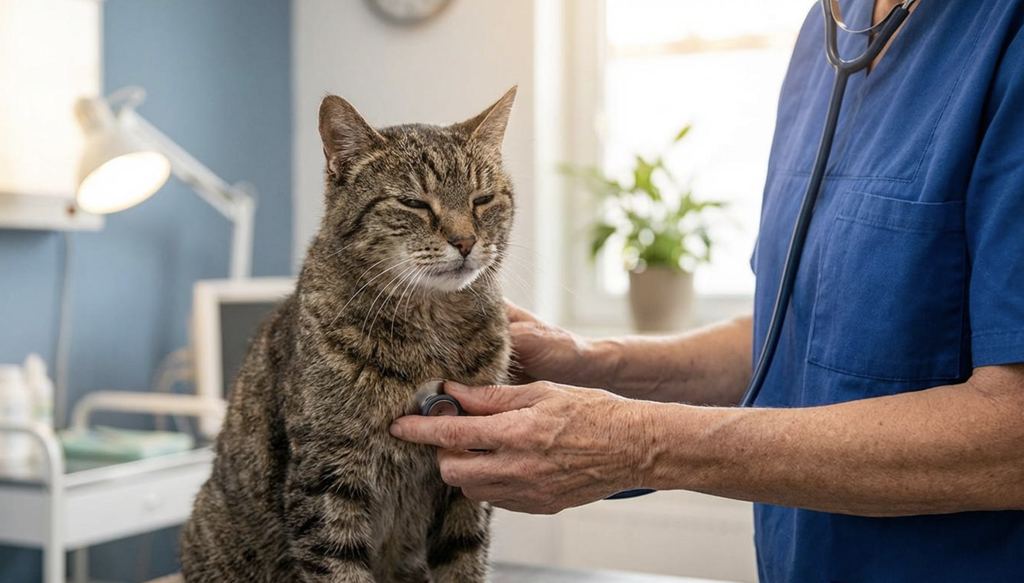
Every patient is different, but evaluating a senior cat with thyroid or kidney concerns may involve:
- Thyroid hormone levels
- Creatinine
- SDMA
- Urine concentration
- Blood pressure
- Electrolytes
- Body weight
- Muscle condition
- Hydration
- Appetite and eating behavior
Blood pressure deserves particular attention because both chronic kidney disease and hyperthyroidism can be associated with hypertension.
The most useful information often comes from watching trends over time, rather than focusing on one isolated test result.
Should Hyperthyroidism Still Be Treated if Kidney Disease Is Suspected?
In most cases, hyperthyroidism still needs to be addressed.
Leaving a cat hyperthyroid simply to maintain increased kidney filtration isn’t a good long-term solution. Uncontrolled hyperthyroidism places stress on the body and can contribute to problems involving the cardiovascular system, blood pressure, muscles, and other organs.
Instead, the veterinarian may carefully balance thyroid treatment with monitoring of kidney function.
Treatment options can include:
- Anti-thyroid medication such as methimazole
- Radioactive iodine therapy
- Surgery in selected cases
- Prescription iodine-restricted diets in appropriate patients
There isn’t one universally correct treatment for every senior cat.
Age, kidney function, other illnesses, temperament, ability to tolerate medication, lifestyle, and the family’s goals all matter.
When Treatment Becomes Too Much
There is another part of senior-pet medicine that deserves just as much attention as laboratory results:
How is the cat actually experiencing the treatment?
For some cats, chronic disease can be managed comfortably for years.
For others, particularly those living with multiple conditions, care may gradually involve frequent veterinary appointments, repeated blood tests, medications several times a day, prescription diets, hydration support, or other interventions.
At some point, families may find themselves asking an important question:
Are we still helping our cat feel better—or are we primarily treating numbers?
There is no universal answer.
Modern management of chronic kidney disease increasingly recognizes that treatment plans should consider not only the disease itself, but also the individual cat’s wellbeing and the family’s ability to realistically provide ongoing care.
A medically ideal treatment that causes significant daily distress may not always be the ideal treatment for that particular cat.
That doesn’t automatically mean stopping care.
Sometimes it means changing what care looks like.
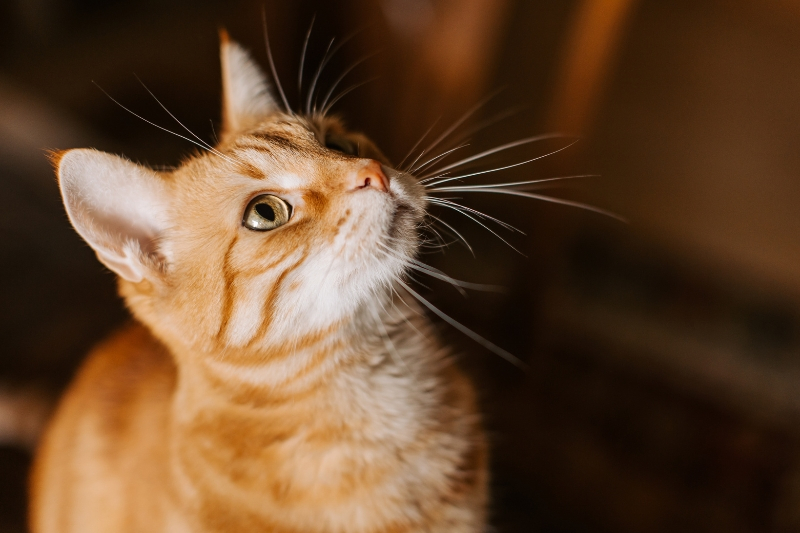
Shifting From “How Long?” to “How Well?”
When a pet develops progressive or multiple chronic illnesses, families naturally want to know:
How much time does my cat have?
But another question can be equally important:
What does that time look like for my cat?
Consider the everyday things that define your cat’s life.
Are they still interested in food?
Do they seek affection or companionship?
Can they comfortably reach their litter box?
Are they grooming themselves?
Can they rest without appearing uncomfortable?
Do they still enjoy their favorite sunny window, blanket, hiding place, or spot beside you?
Are there still noticeably more good days than difficult ones?
These observations aren’t secondary to medical care.
They’re part of it.
Laboratory tests tell your veterinary team what’s happening inside your cat’s body. What you see at home tells them how your cat is experiencing it.
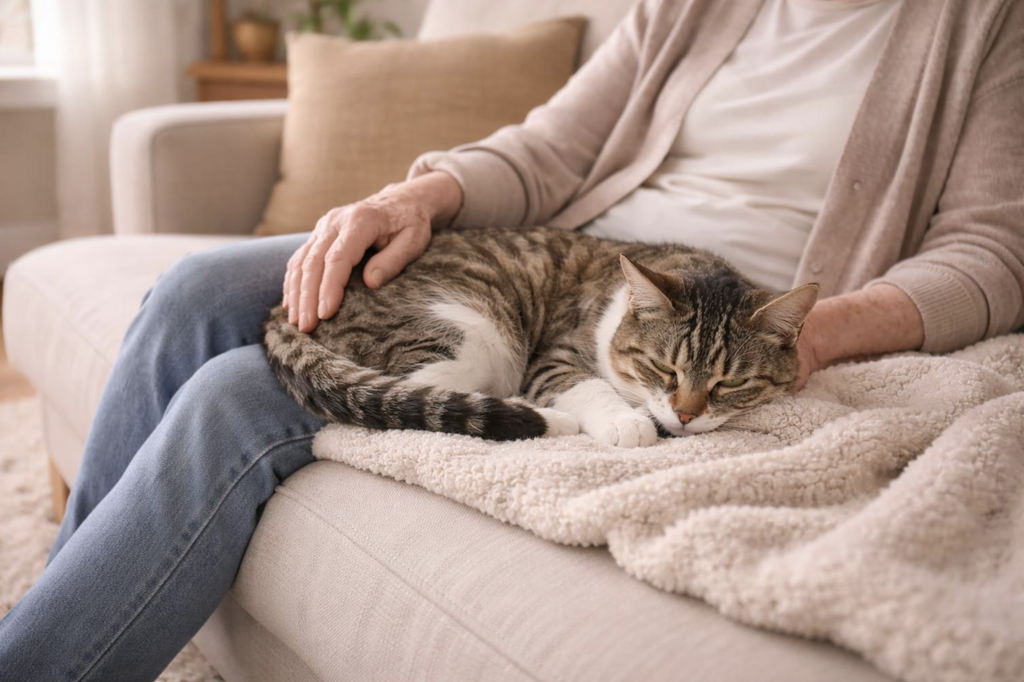
When Is It Time to Talk About Quality of Life?
You don’t have to wait for a crisis.
Quality-of-life conversations can begin while a pet is still eating, interacting, and enjoying life.
Starting earlier allows families to identify what matters most to their pet and recognize changes gradually rather than trying to make an enormous decision during an emergency.
Some questions worth discussing with your veterinarian include:
- What changes should I expect as this disease progresses?
- Which symptoms indicate discomfort?
- What can we realistically control?
- What would constitute an emergency?
- How will I recognize when treatment is no longer providing meaningful benefit?
- What options exist if my cat’s comfort begins to decline?
These conversations aren’t about giving up.
They’re about being prepared.
Supporting the Pet and the Family
Caring for an aging pet with chronic illness can become emotionally and practically demanding.
Medication schedules, appetite changes, veterinary appointments, uncertainty, and watching a beloved companion change can take a toll on families as well.
Recognizing that burden doesn’t diminish the love someone has for their pet.
Compassionate veterinary care considers both sides of the relationship: the animal receiving care and the people providing it.
At Two by Two Pet Support, we believe families deserve clear information, honest conversations, and compassionate guidance throughout every stage of a pet’s life.
Sometimes that means pursuing treatment.
Sometimes it means adjusting treatment.
And when medical intervention can no longer provide the comfort or quality of life we want for our pets, it may mean beginning a different kind of conversation—one centered entirely around comfort, dignity, and preventing unnecessary suffering.
The goal isn’t simply more days.
It’s protecting the quality of the days we have together.